The Countess Who Saw the Future of Machines
Ada Lovelace published the first computer program and foresaw that machines might one day compose music — then warned they could never truly think.
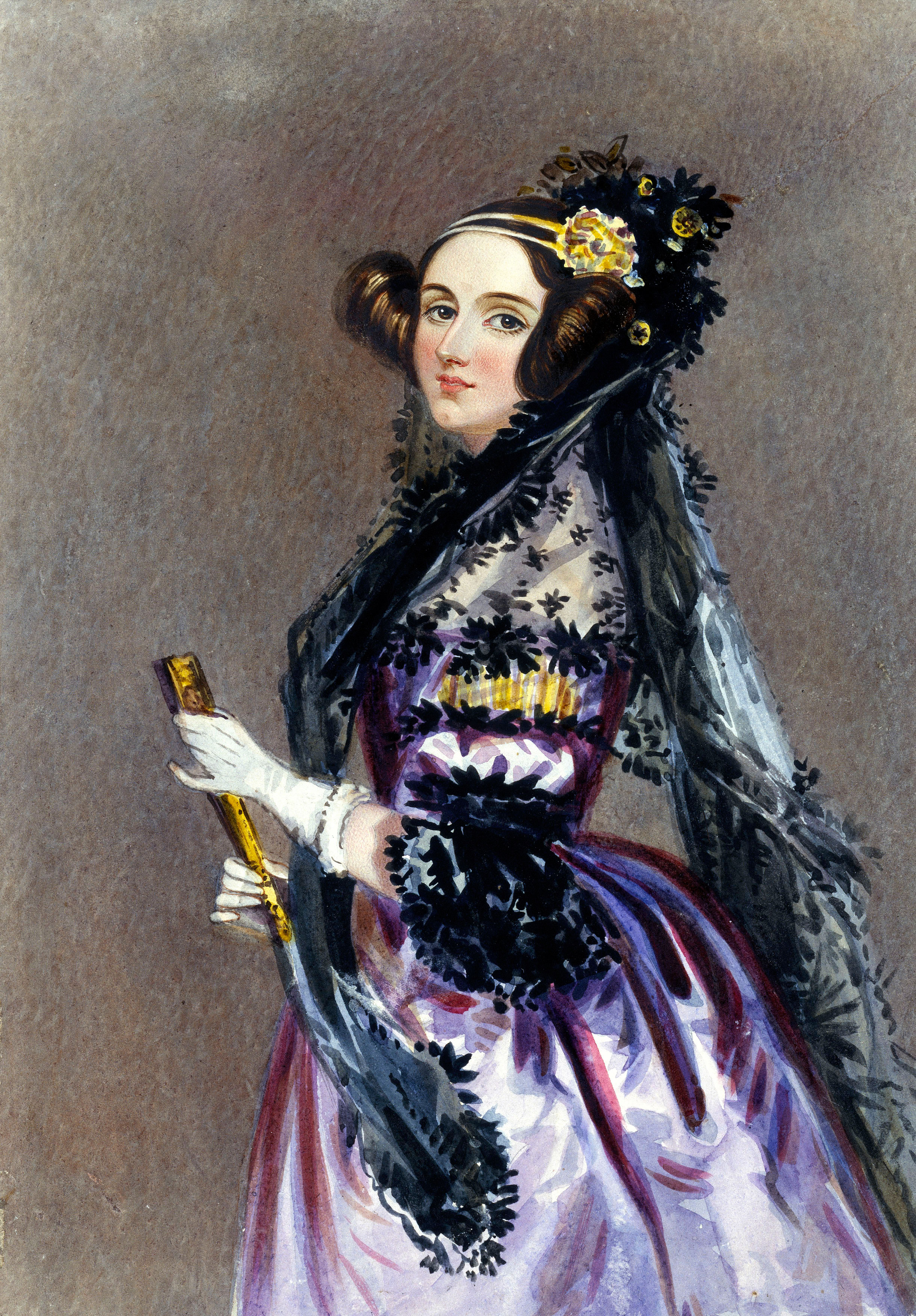
Alfred Edward Chalon / Public domain
The Analytical Engine has no pretensions whatever to originate anything. It can do whatever we know how to order it to perform.
— Ada Lovelace
In 1843, Ada Lovelace published what is now considered the first computer algorithm, outlining a method for Charles Babbage’s Analytical Engine to compute Bernoulli numbers. Wikipedia — Ada Lovelace details how Lovelace’s notes on the Analytical Engine, particularly Note G, went beyond mere calculation to envision the machine’s potential for creating music and graphics. This insight, that machines could manipulate symbols and not just numbers, anticipated the field of artificial intelligence by over a century. Yet, Lovelace also famously argued that machines could not originate anything, a view that would shape debates on machine intelligence for generations.
Why it matters: Lovelace’s work in 1843 laid foundational stones for the future of computing and AI, challenging contemporaries and future generations to consider the capabilities and limitations of machines. Her visionary understanding of the Analytical Engine’s potential has made her a pivotal figure in the history of technology.
Further reading:
Why This Mattered
Lovelace's notes on Babbage's Analytical Engine contained what is widely regarded as the first computer algorithm. Her insight that the engine could manipulate symbols beyond pure calculation — potentially composing music or producing graphics — anticipated artificial intelligence by over a century. Yet her famous objection that machines 'have no pretensions to originate anything' became the central counterargument to machine intelligence for generations.