The Play That Gave Robots Their Name
Karel Čapek's R.U.R. premiered in Prague, introducing the word 'robot' to every language on Earth.
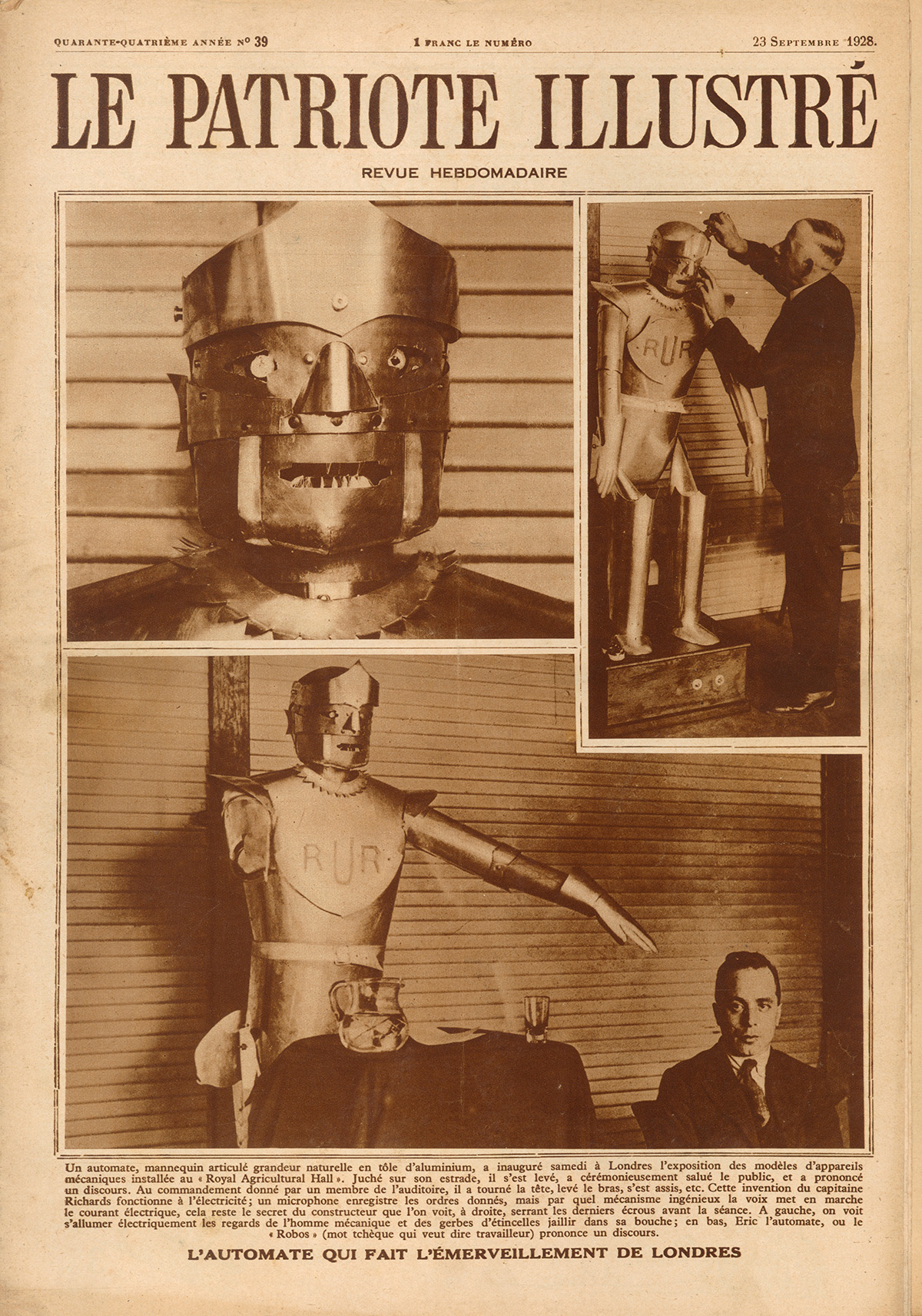
Chris Protopapas from USA / Public domain
The word Robot was not coined by me but by my brother Josef.
— Karel Čapek
The Play That Gave Robots Their Name (1921)
In 1921, Czech writer Karel Čapek introduced the world to the word “robot” through his play “R.U.R.” (Rossum’s Universal Robots), which premiered on January 2, 1921.
What happened: On January 2, 1921, Karel Čapek’s play “R.U.R.” had its world premiere in Hradec Králové. The play, which was co-written with his brother Josef Čapek, who suggested the term “robot,” explored a dystopian future where artificial beings were created to serve humanity. The word “robot” itself derives from the Czech word “robota,” meaning forced labor. By 1923, the play had been translated into thirty languages, spreading the concept of robots globally.
Why it matters: The introduction of the term “robot” in Čapek’s play marked a pivotal moment in the cultural and scientific imagination. It provided a name for artificial workers that looked human, a concept that has since shaped a century of anxiety and ambition about artificial beings. Every robot in fiction and engineering since then can trace its lineage back to this single theatrical premiere, underscoring the profound impact of Čapek’s work.
Further reading:
Why This Mattered
Before Čapek's play, there was no word for artificial workers that looked human. 'Robot,' derived from the Czech 'robota' meaning forced labor, spread globally within two years as the play was translated into thirty languages. The concept shaped a century of anxiety and ambition about artificial beings — every robot in fiction and engineering inherits its name from this single theatrical premiere.