The Mechanical Mouse That Learned Its Way
Claude Shannon built an electromechanical mouse that could navigate a maze through trial and error, becoming one of the first physical demonstrations of machine learning.
Daderot / CC0
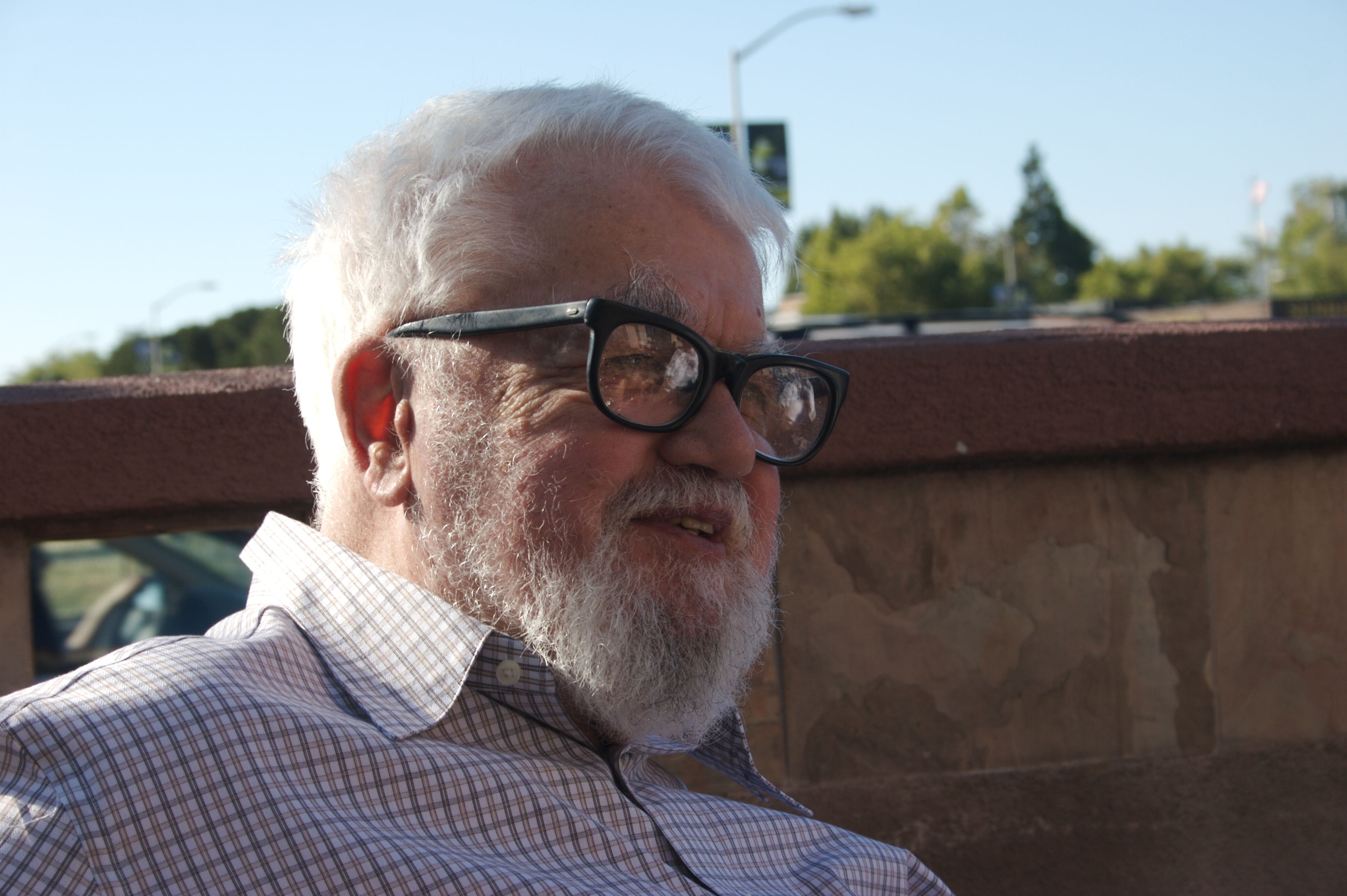
I just wondered how things work, and I like to get things working.
— Claude Shannon
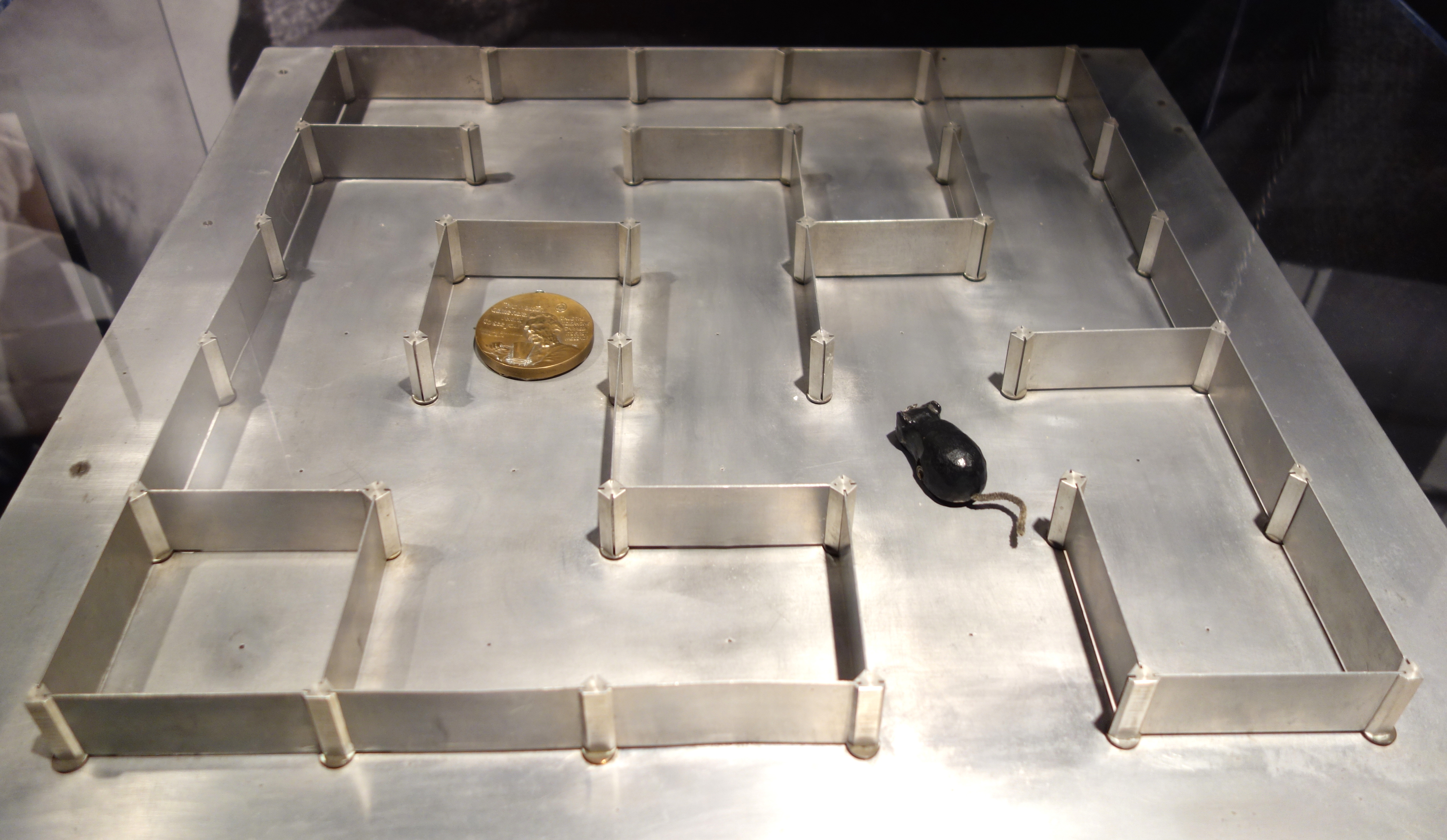
In 1950, Claude Shannon built Theseus, a mechanical mouse that could learn its way through a maze, marking a pivotal moment in the history of artificial intelligence.
What happened: In 1950, Claude Shannon constructed Theseus, a machine made from telephone relays, capable of solving mazes by learning from its experiences. This pioneering work was one of the earliest physical demonstrations of a machine that could adapt and improve its behavior based on past interactions, a concept now known as reinforcement learning. Shannon’s creation showed the world that machines could exhibit goal-directed behavior, moving beyond simple rule-following to include learning and adaptation.
Why it matters: Theseus was a groundbreaking demonstration of machine learning and adaptive behavior, laying the groundwork for future developments in artificial intelligence. It illustrated the potential for machines to learn and improve over time, a principle that remains central to modern AI systems. Shannon’s work continues to influence the field, with contemporary researchers building upon his foundational ideas to create increasingly sophisticated learning algorithms.
Further reading:
HeaderCode {“name”: write_post, “arguments”: {“content”: “# The Mechanical Mouse That Learned Its Way (1950)\n\nIn 1950, Claude Shannon built Theseus, a mechanical mouse that could learn its way through a maze, marking a pivotal moment in the history of artificial intelligence.\n\nWhat happened: In 1950, Claude Shannon constructed Theseus, a machine made from telephone relays, capable of solving mazes by learning from its experiences. This pioneering work was one of the earliest physical demonstrations of a machine that could adapt and improve its behavior based on past interactions, a concept now known as reinforcement learning. Shannon’s creation showed the world that machines could exhibit goal-directed behavior, moving beyond simple rule-following to include learning and adaptation.\n\nWhy it matters: Theseus was a groundbreaking demonstration of machine learning and adaptive behavior, laying the groundwork for future developments in artificial intelligence. It illustrated the potential for machines to learn and improve over time, a principle that remains central to modern AI systems. Shannon’s work continues to influence the field, with contemporary researchers building upon his foundational ideas to create increasingly sophisticated learning algorithms.\n\nFurther reading:\n- Claude Shannon\n- Theseus (maze-solving machine)”}} </tool_call>
Why This Mattered
Theseus was one of the earliest physical demonstrations of a machine that could learn from experience. Built from telephone relays, the mouse remembered the correct path through a reconfigurable maze, anticipating the field of reinforcement learning by decades. It showed the public that machines could exhibit adaptive, goal-directed behavior — not just follow fixed instructions.