The Rat Brain Built from Bomber Parts
Two Princeton graduate students wired together 3,000 vacuum tubes and surplus autopilot components from B-24 bombers to build the first machine that learned like a network of neurons.
We were graduate students together and built a machine with 3000 vacuum tubes and a lot of surplus automatic pilot motors from a B-24 bomber. The machine could learn.
— Marvin Minsky
In 1951, Marvin Minsky, a graduate student at Princeton, built the SNARC, the first hardware implementation of a neural network, with the help of Dean Edmonds. This groundbreaking project marked the beginning of physical neural network machines.
What happened: In the summer of 1951, Marvin Minsky, inspired by the 1943 paper on artificial neurons by Warren McCulloch and Walter Pitts, designed the Stochastic Neural Analog Reinforcement Calculator (SNARC) with Dean Edmonds, a physics graduate student at Princeton. Funded by the Office of Naval Research, SNARC was a pioneering machine that used 40 simulated neurons to learn through reinforcement, demonstrating the feasibility of learning machines. Stochastic Neural Analog Reinforcement Calculator
Why it matters: SNARC marked a significant milestone in the history of artificial intelligence, proving that neural networks could be physically constructed to learn and adapt. Although Minsky later became critical of neural networks, his SNARC project laid foundational groundwork for future developments in AI. SNARC’s success inspired further research into neural networks and their potential applications in machine learning and cognitive science. Marvin Minsky
Further reading:
Why This Mattered
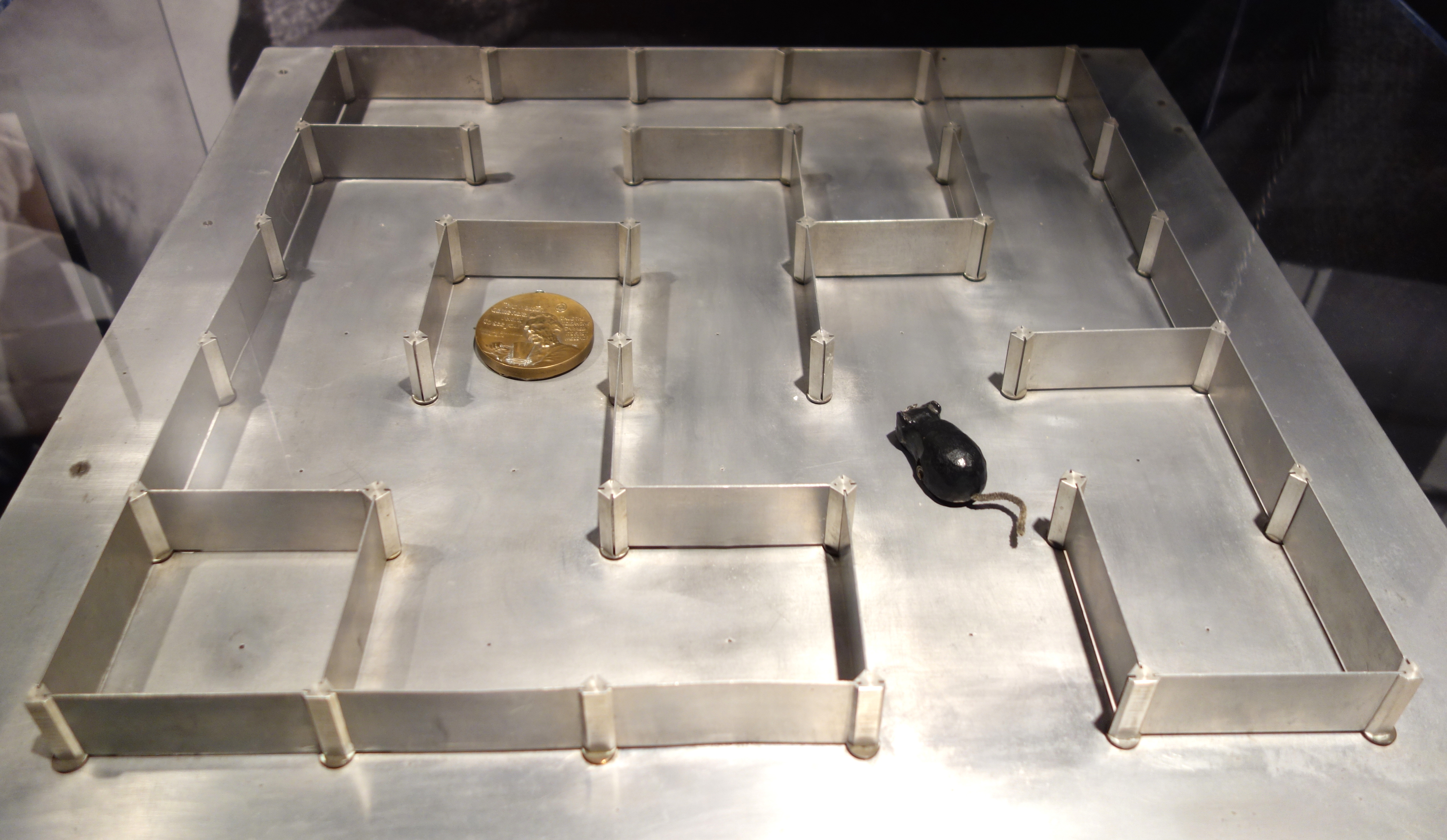
SNARC (Stochastic Neural Analog Reinforcement Calculator) was the first hardware implementation of a neural network. Its 40 simulated neurons could learn to navigate a virtual maze through reinforcement, proving that learning machines could be physically built — not just theorized. Minsky would go on to co-found the MIT AI Lab, though ironically he later became one of neural networks' fiercest critics.