The Language That Gave AI Its Voice
John McCarthy invented LISP, a radical programming language built on pure mathematics that became the lingua franca of artificial intelligence research for three decades.
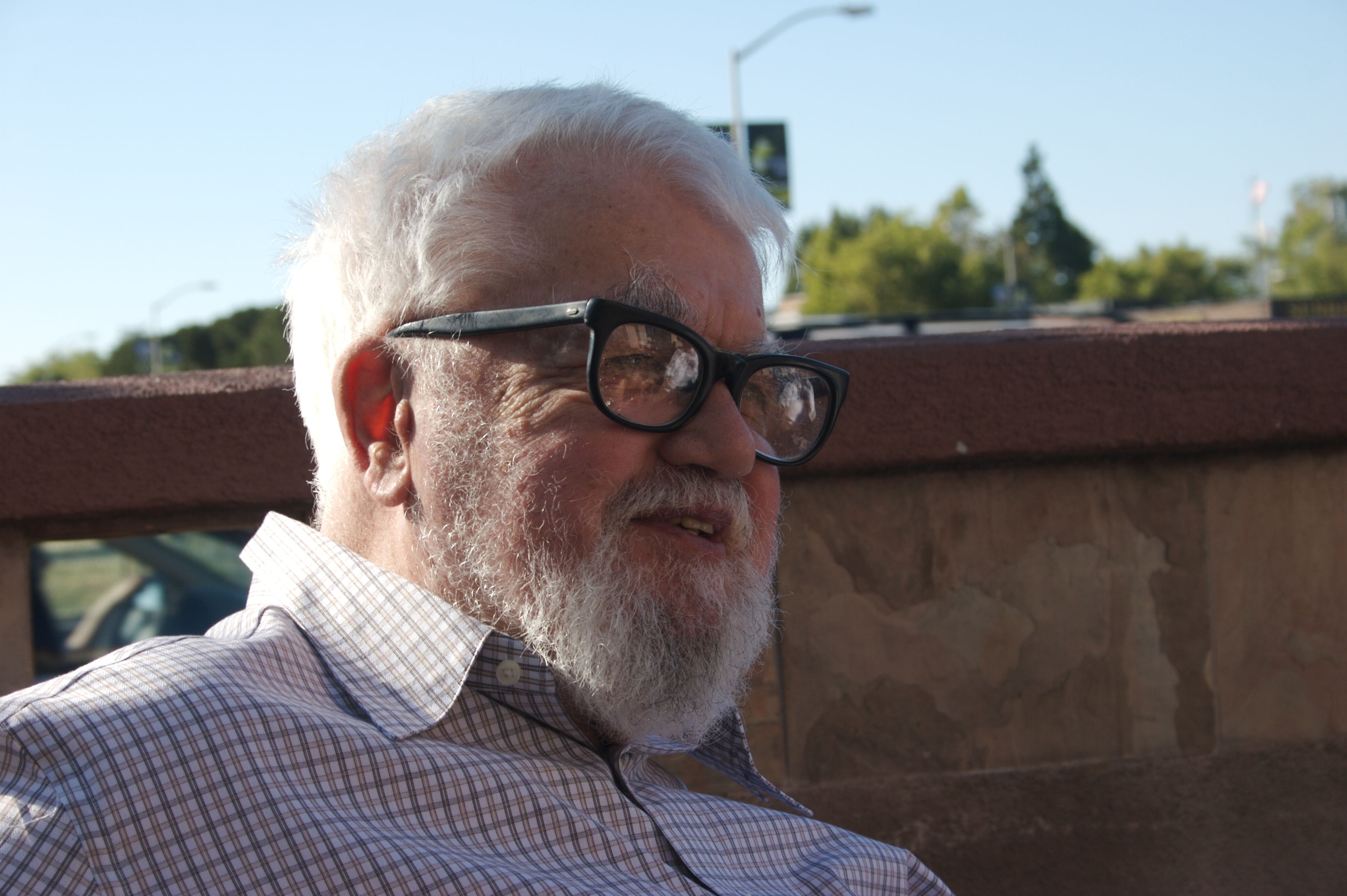
null0 from Singapore, Singapore / CC BY 2.0
As soon as it works, no one calls it AI anymore.
— John McCarthy
Lisp, introduced in the late 1950s, was the first programming language to introduce recursion, garbage collection, and dynamic typing, fundamentally changing the landscape of computer science.
What happened: In 1960, John McCarthy and Steve Russell developed Lisp, a programming language that introduced recursion, garbage collection, and dynamic typing. Lisp’s unique syntax and ability to treat code as data made it an ideal tool for symbolic reasoning and natural language processing. Lisp (programming language)
Why it matters: Lisp’s impact on AI research is significant. It remained the dominant language for AI from the 1960s through the 1990s, shaping the development of expert systems, natural language understanding, and symbolic reasoning. Its concepts continue to influence modern programming languages, and its ideas about treating code as data underpin many contemporary AI projects. John McCarthy (computer scientist)
Further reading:
- Recursive Functions of Symbolic Expressions and Their Computation by Machine, Part I
- Lisp (programming language)
Lisp’s legacy is evident in the continued use of its dialects, such as Clojure, in contemporary AI projects.
Why This Mattered
LISP introduced recursion, garbage collection, and dynamic typing to programming — concepts that shaped every language that followed. It remained the dominant language of AI research from the 1960s through the 1990s, and its ideas about treating code as data underpinned expert systems, natural language processing, and symbolic reasoning. Clojure and other modern LISP dialects are still in active use today.