The Steel Arm That Started the Robot Age
In 1961, a 4,000-pound mechanical arm named Unimate became the first industrial robot to work on an assembly line, forever changing manufacturing.
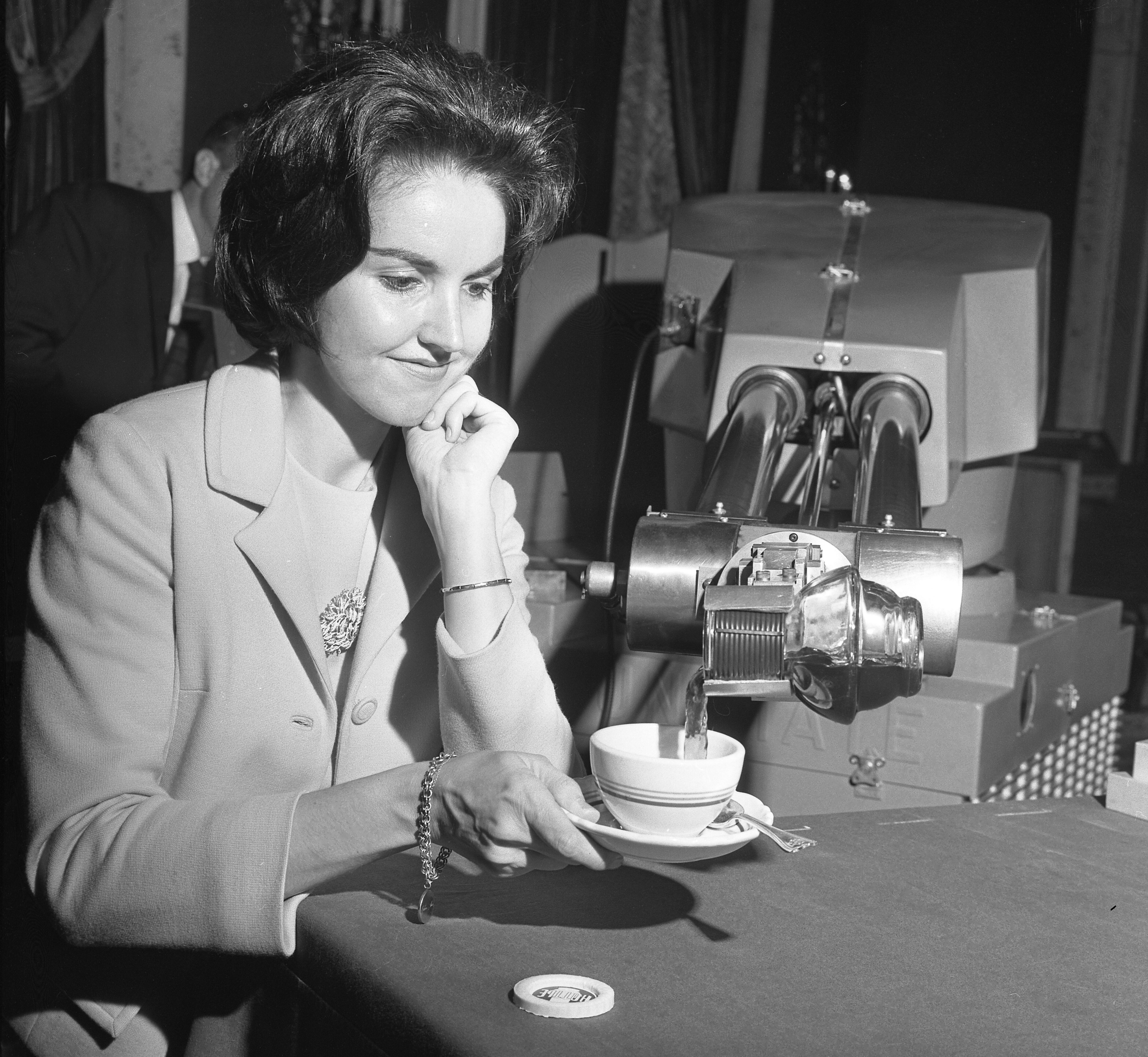
Frank Q. Brown, Los Angeles Times / CC BY 4.0
I decided that if Isaac Asimov could write about robots, I could build one.
— Joseph Engelberger
The Steel Arm That Started the Robot Age (1961)
Unimate’s debut on the General Motors assembly line in 1961 marked the beginning of the robot age in manufacturing. Inventor George Devol and entrepreneur Joseph Engelberger collaborated to create the first industrial robot, which could perform repetitive and dangerous tasks. Unimate was deployed at the Inland Fisher Guide Plant in Ewing Township, New Jersey, in 1961, proving that programmable machines could replace humans in hazardous environments. This milestone launched a multibillion-dollar industrial robotics industry and solidified Engelberger’s reputation as the ‘Father of Robotics.’
Why it matters: Unimate’s success demonstrated the potential of automation in manufacturing, leading to significant advancements in robotics technology and its widespread adoption across various industries. The partnership between Devol and Engelberger set a precedent for transforming automation research into commercial success.
Further reading:
Why This Mattered
Unimate's deployment at General Motors' die-casting plant proved that programmable machines could replace humans in dangerous, repetitive tasks. It launched a multibillion-dollar industrial robotics industry and made Joseph Engelberger the 'Father of Robotics.' The partnership between inventor Devol and entrepreneur Engelberger became a template for turning automation research into commercial reality.