The Cart That Crossed a Room by Itself
A wobbly Stanford robot took five hours to navigate a chair-filled room, becoming one of the first machines to see and move autonomously.
It was the first time a computer-controlled vehicle negotiated a cluttered space by seeing where it was going.
— Hans Moravec
In 1979, Hans Moravec achieved a milestone in robotics with the Stanford Cart, an early demonstration of autonomous navigation.
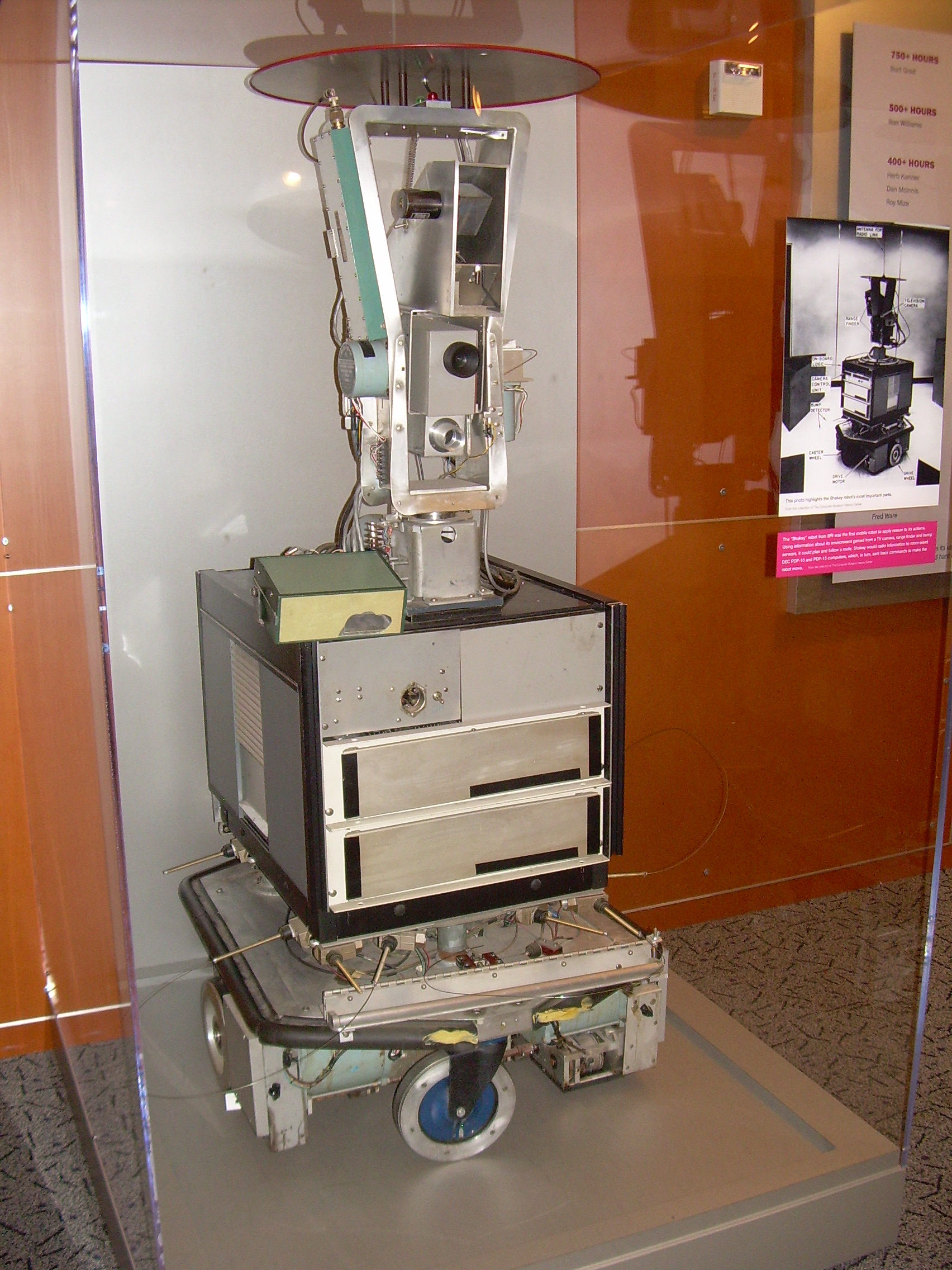
What happened: In 1979, Hans Moravec, a computer scientist at Stanford University, programmed the Stanford Cart to autonomously navigate a room filled with obstacles. This cart, originally developed in the 1960s, was retrofitted with advanced computer vision techniques to perceive and plan its path without human intervention. Stanford Cart, Hans Moravec.
Why it matters: The Stanford Cart’s ability to cross a room by itself marked a significant step in the development of autonomous vehicles. It demonstrated that machines could interpret their environment through visual data and make decisions accordingly, laying the conceptual groundwork for modern self-driving cars and other autonomous systems.
Further reading:
Why This Mattered
The Stanford Cart was one of the earliest demonstrations of autonomous navigation using computer vision. Its painstaking journey across a cluttered room proved that a machine could perceive its environment through cameras and plan a path without human guidance, laying conceptual groundwork for modern self-driving vehicles.