The Room That Understood Nothing
Philosopher John Searle argued that no computer could ever truly understand language, igniting a debate that still rages today.

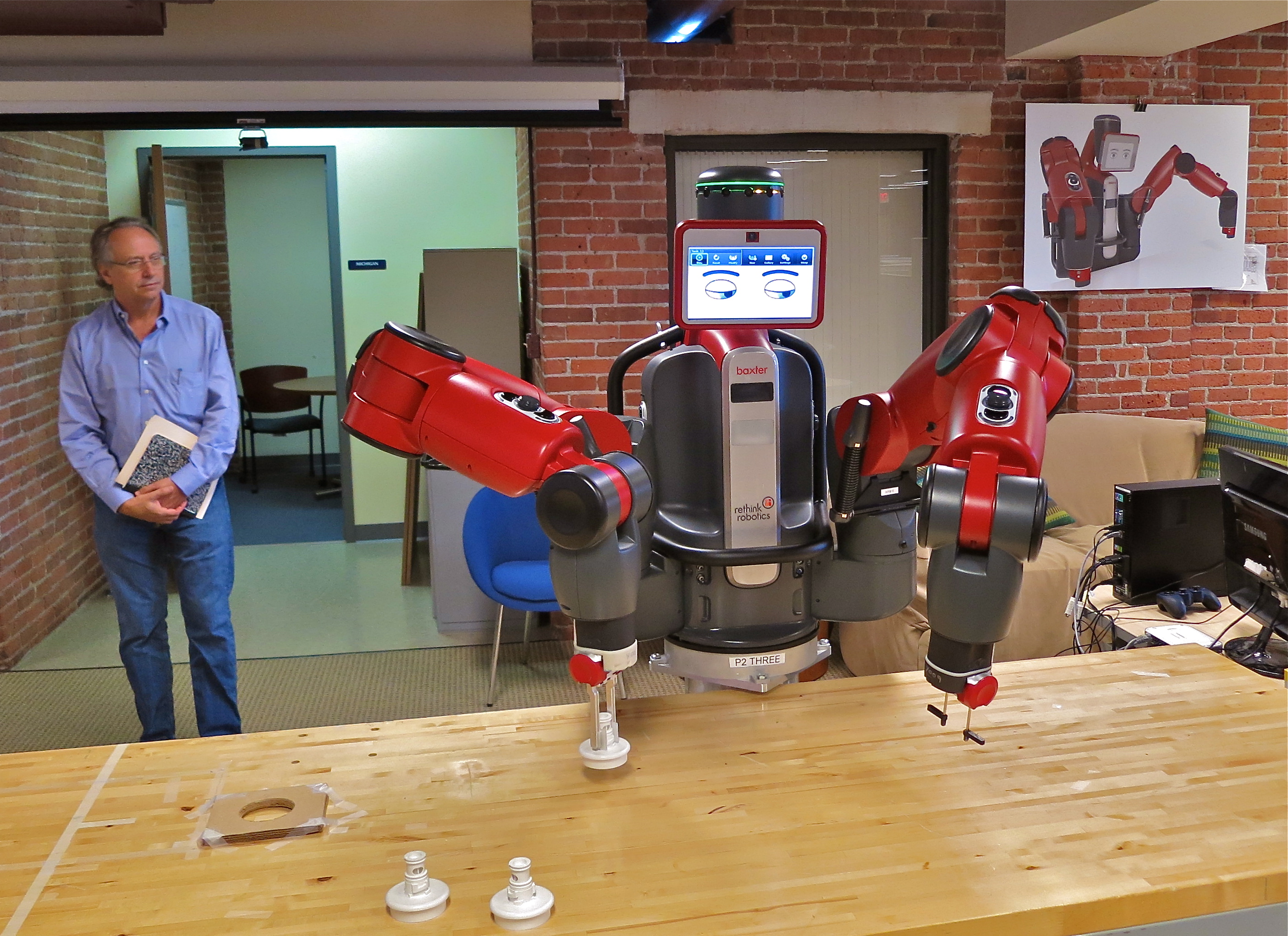
FranksValli / CC BY-SA 4.0
Whatever purely formal principles you put into the computer, they will not be sufficient for understanding, since a human will be able to follow the formal principles without understanding anything.
— John Searle
The Room That Understood Nothing (1980)
In 1980, philosopher John Searle introduced the Chinese Room thought experiment, a pivotal challenge to the field of artificial intelligence.
What happened: In his 1980 paper “Minds, Brains, and Programs,” published in Behavioral and Brain Sciences, John Searle presented the Chinese Room argument. This thought experiment posited a scenario where a person who does not understand Chinese is locked in a room with a set of rules in English for manipulating Chinese symbols. The person can pass written conversations in Chinese to those outside the room, making it appear as if the room understands Chinese. However, the person inside the room does not actually understand the language. Searle used this analogy to argue that a computer executing a program, no matter how sophisticated, cannot have a mind or consciousness, even if it can simulate human-like behavior. Wikipedia Minds, Brains, and Programs
Why it matters: The Chinese Room argument has become a cornerstone in debates about the nature of consciousness and machine intelligence. It challenges the assumption that passing the Turing test would demonstrate genuine understanding, highlighting the distinction between syntax and semantics. This argument remains central to discussions about the limitations and potential of artificial intelligence.
Further reading:
Why This Mattered
Searle's Chinese Room thought experiment became the most famous philosophical objection to strong AI. It challenged the assumption that passing the Turing test would demonstrate genuine understanding, forcing researchers to confront the difference between syntax and semantics. The argument remains central to debates about consciousness and machine intelligence.