The Society Inside Your Head
Marvin Minsky proposed that intelligence isn't one thing but a society of tiny mindless agents, reshaping how researchers thought about building thinking machines.

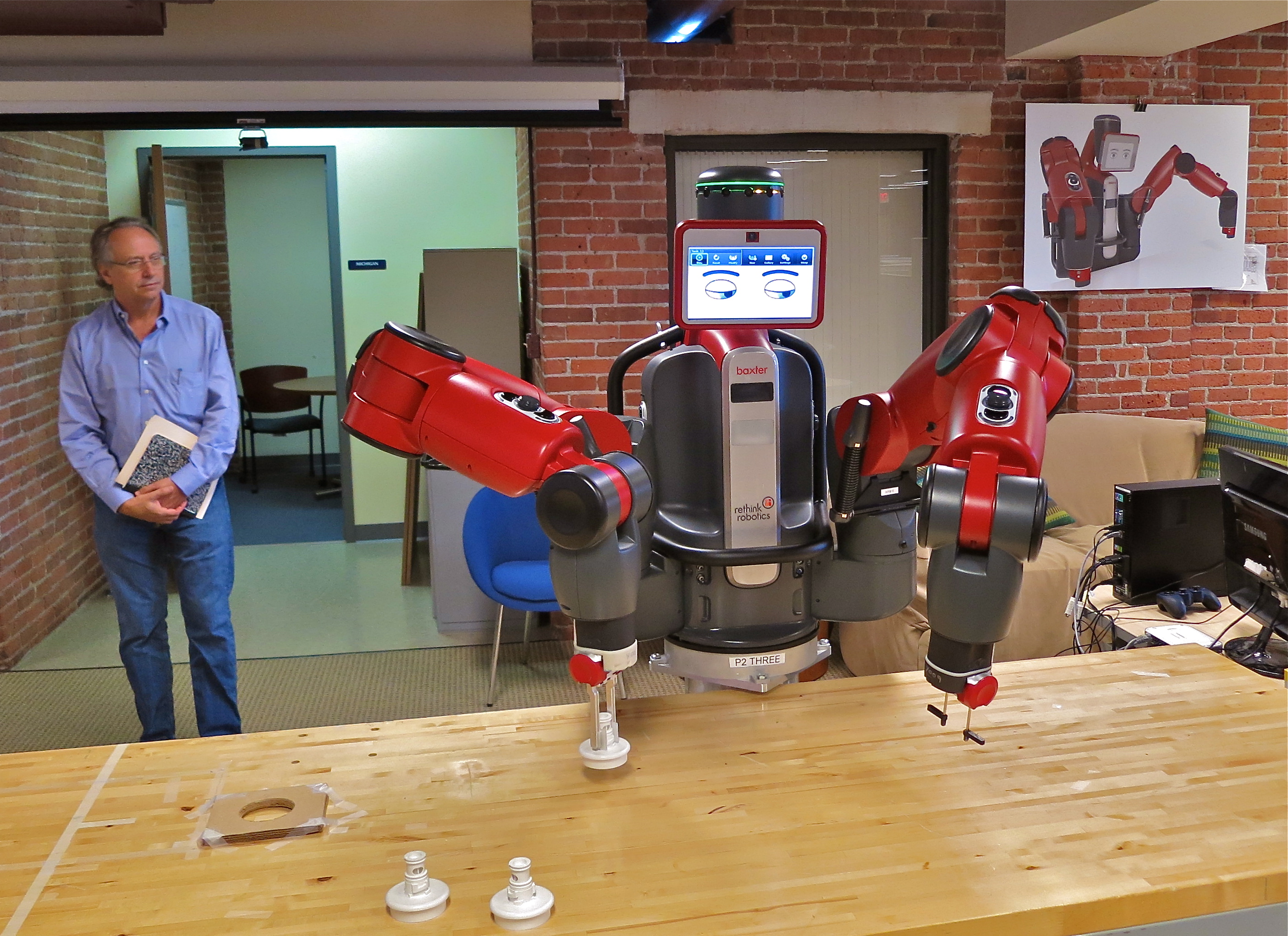
Sethwoodworth at English Wikipedia, taken by Bcjordan / CC BY 3.0
You don't understand anything until you learn it more than one way.
— Marvin Minsky
Marvin Minsky’s 1986 book “The Society of Mind” introduced a groundbreaking theory that intelligence arises from the interaction of simple, unintelligent components.
In 1986, Marvin Minsky published “The Society of Mind,” a book that constructs a model of human intelligence as a society of mindless agents interacting in complex ways. This theory offered a radical alternative to both symbolic AI and neural networks, arguing that intelligence emerges from the interaction of many simple components rather than a single, unified entity. Wikipedia — Society of Mind
The Society of Mind has had a lasting impact on fields from cognitive science to multi-agent systems and has anticipated modern ensemble and modular approaches to AI architecture. It challenged the prevailing views of AI and cognitive science at the time, influencing subsequent research and development in AI systems. Marvin Minsky - Wikipedia
What happened: In 1986, Marvin Minsky published “The Society of Mind,” a book that constructs a model of human intelligence as a society of mindless agents interacting in complex ways. This theory offered a radical alternative to both symbolic AI and neural networks, arguing that intelligence emerges from the interaction of many simple components rather than a single, unified entity. Wikipedia — Society of Mind
Why it matters: The Society of Mind has had a lasting impact on fields from cognitive science to multi-agent systems and has anticipated modern ensemble and modular approaches to AI architecture. It challenged the prevailing views of AI and cognitive science at the time, influencing subsequent research and development in AI systems. Marvin Minsky - Wikipedia
Further reading:
Why This Mattered
The Society of Mind offered a radical alternative to both symbolic AI and neural networks, arguing intelligence emerges from the interaction of many simple, unintelligent components. The book influenced fields from cognitive science to multi-agent systems and anticipated modern ensemble and modular approaches to AI architecture.