The Pet That Never Needed Feeding
Sony released AIBO, the first consumer robot designed not to work but to be loved, launching the era of emotional robotics.
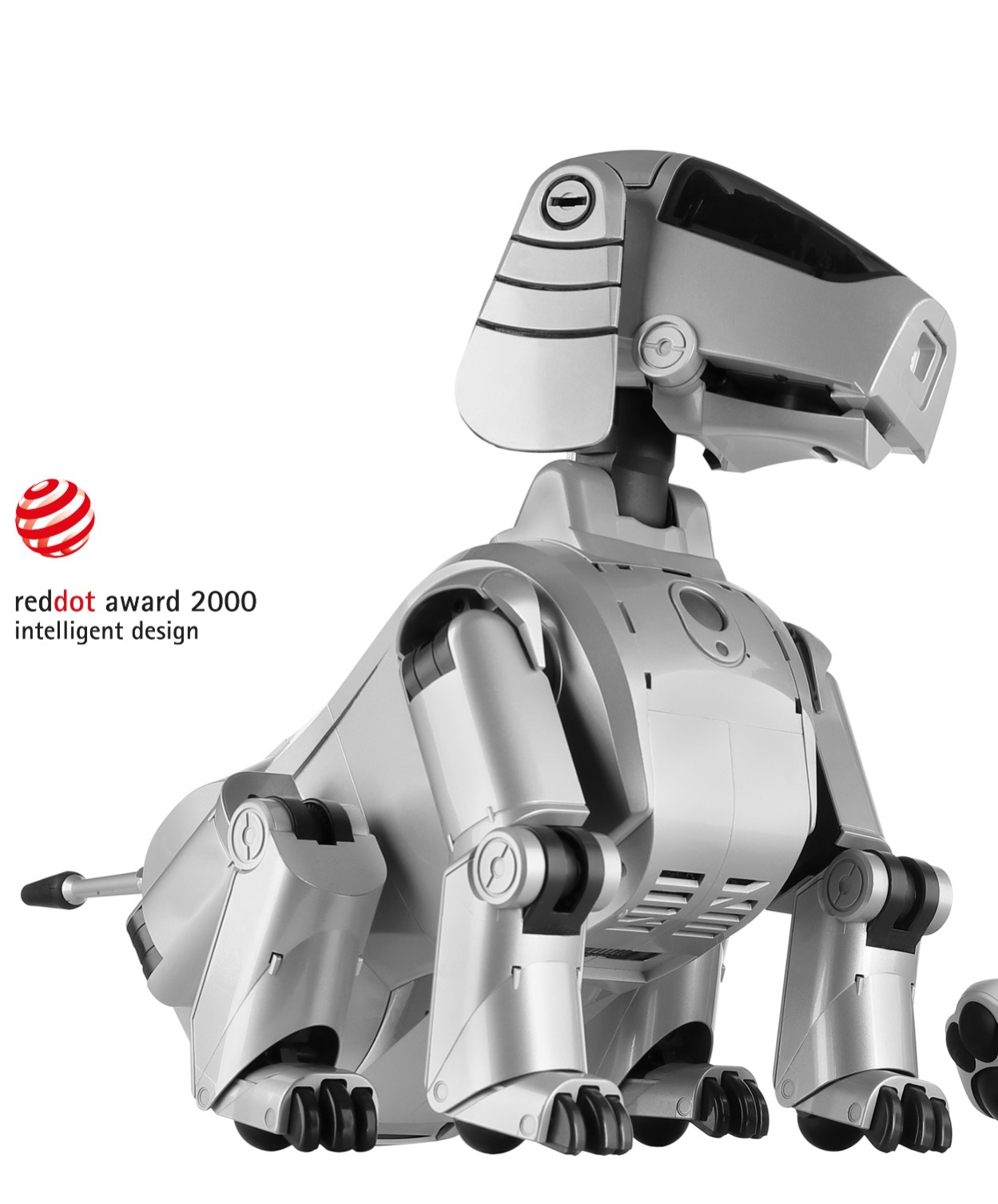
Marco Wydmuch / CC BY-SA 4.0
AIBO has no direct functional benefit. What it offers is the experience of raising and living with a robot — the joy of a relationship.
— Doi Toshitada, AIBO project lead
In 1999, Sony introduced AIBO, an autonomous robotic dog designed by Doi Toshitada and Fujita Masahiro, marking a significant milestone in consumer robotics. AIBO was the first mass-market robot sold as a companion rather than a tool, featuring advanced AI capabilities that allowed it to learn from its environment and form emotional bonds with its owners. When Sony discontinued AIBO in 2006, owners held funerals for their broken robots at Buddhist temples, highlighting the profound impact AIBO had on its users.
What happened: In 1999, Sony introduced AIBO, an autonomous robotic dog designed by Doi Toshitada and Fujita Masahiro. It was the first mass-market robot sold as a companion rather than a tool, featuring advanced AI capabilities that allowed it to learn from its environment and form emotional bonds with its owners.
Why it matters: AIBO demonstrated that consumers would form emotional connections with machines, paving the way for social robots like Pepper and Jibo. Its success sparked debates about AI relationships and the ethical implications of human-robot interactions, influencing the development of future AI technologies.
Further reading:
Why This Mattered
AIBO was the first mass-market autonomous robot sold as a companion rather than a tool. It demonstrated that consumers would form emotional bonds with machines, foreshadowing debates about AI relationships and paving the way for social robots like Pepper and Jibo. When Sony discontinued AIBO in 2006, owners held funerals for their broken robots at Buddhist temples.