The Robot That Vacuumed Its Way Into Millions of Homes
iRobot's Roomba brought autonomous robotics out of labs and onto living room floors, becoming the most commercially successful home robot in history.
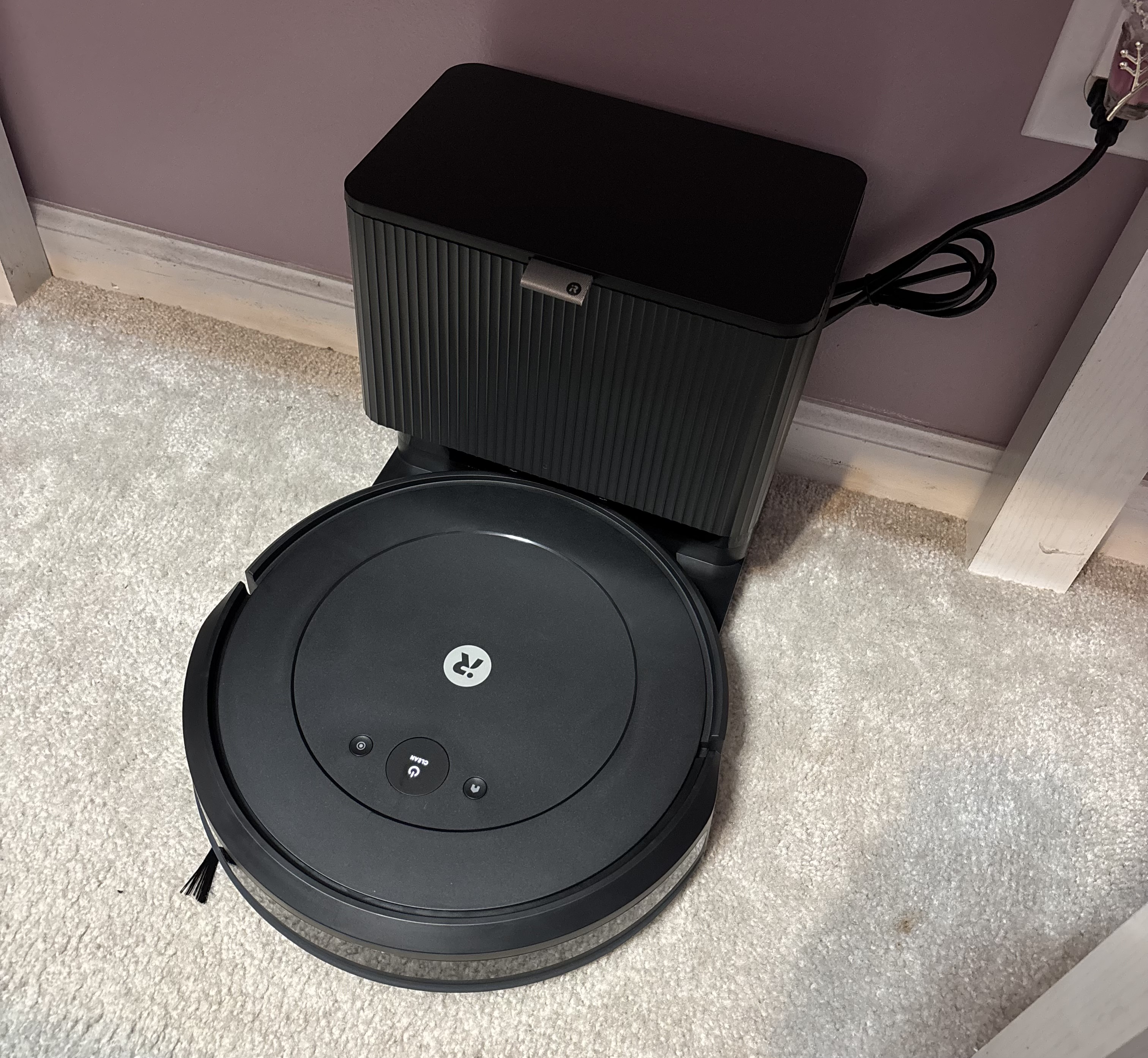
Piperpet / CC BY-SA 4.0
The Roomba was a success because we stopped trying to make the perfect robot and started making a robot that was good enough to be useful.
— Rodney Brooks
The Robot That Vacuumed Its Way Into Millions of Homes (2002)
In 2002, iRobot launched the Roomba, an autonomous robotic vacuum cleaner that revolutionized the concept of practical household robots. Roomba was co-created by Rodney Brooks, Colin Angle, and Helen Greiner, who aimed to create a robot that could navigate and clean unstructured home environments. The Roomba’s success, selling over 30 million units, demonstrated that robots could be both affordable and useful in everyday life, shifting public perception from science fiction to reality.
Why it matters: The Roomba’s introduction marked a significant milestone in the development of consumer robotics. It not only proved the viability of autonomous household robots but also inspired a new generation of startups to explore the potential of AI in home appliances. This paved the way for more sophisticated robotic devices and smart home technologies.
Further reading:
Why This Mattered
The Roomba proved that practical, affordable robots could thrive in unstructured home environments. It sold over 30 million units and shifted public perception of robots from science fiction fantasies to everyday household tools, paving the way for a generation of consumer robotics startups.