The Robot That Conquered the Desert
Stanford's Stanley completed a 132-mile autonomous desert race, proving self-driving vehicles were no longer science fiction.
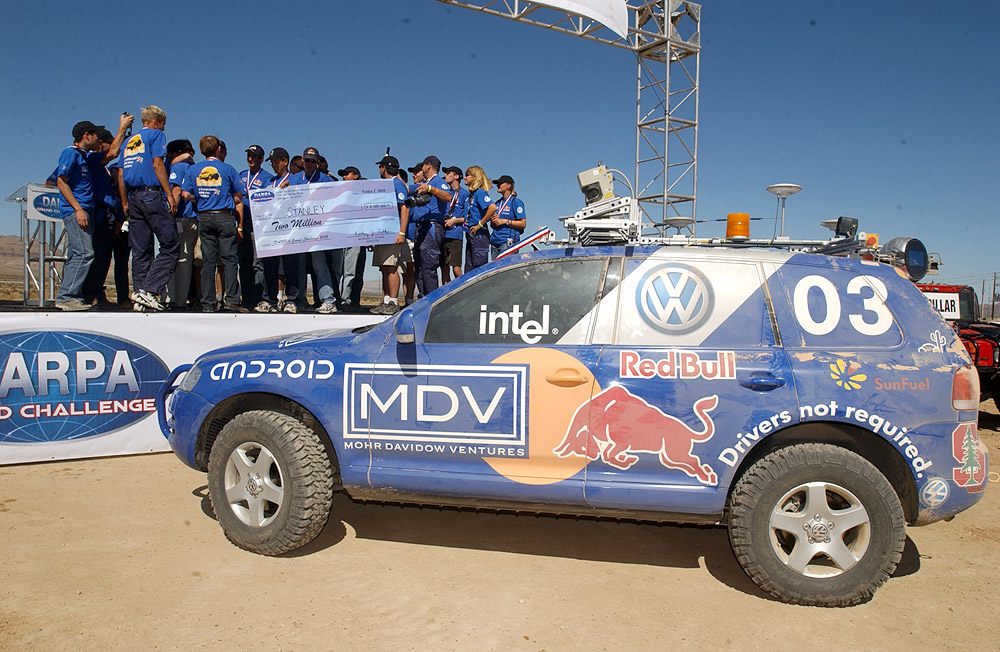
Wikimedia Commons / Public domain
No one had ever built a robot that could drive 130 miles in the desert without human help. We didn't know if it was possible.
— Sebastian Thrun
The Robot That Conquered the Desert (2005)
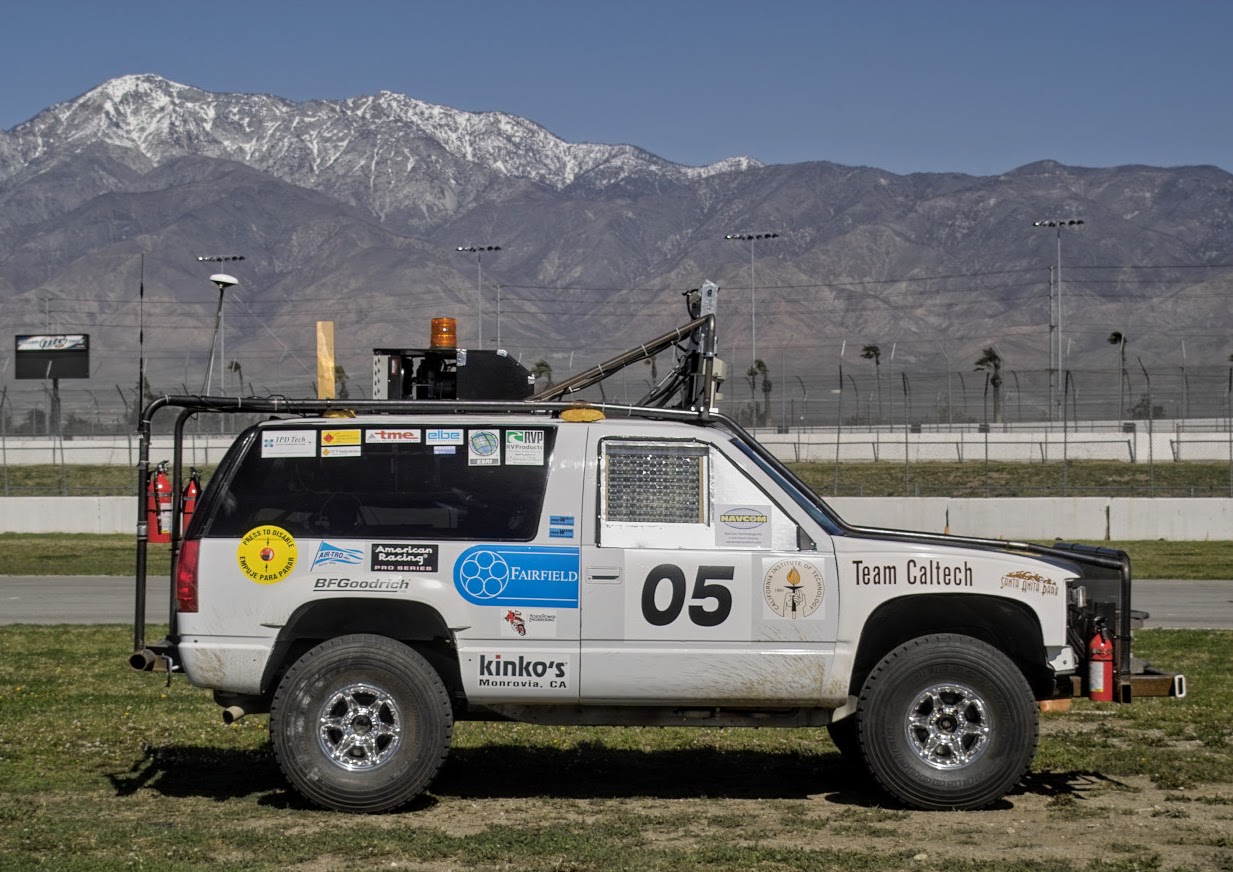
On October 8, 2005, Stanford University’s autonomous vehicle Stanley triumphed in the DARPA Grand Challenge, marking a pivotal moment in robotics history. Stanley, driven by Sebastian Thrun and Mike Montemerlo, navigated a 212 km off-road course, showcasing the potential of self-driving technology. This victory not only underscored the feasibility of autonomous navigation in challenging environments but also spurred the development of the modern self-driving car industry. Thrun’s subsequent founding of Google’s self-driving car project, now known as Waymo, exemplifies the enduring impact of this milestone.
Why it matters: The success of Stanley in 2005 demonstrated that autonomous vehicles could reliably handle complex, real-world scenarios, paving the way for advancements in artificial intelligence and robotics. This event catalyzed significant investment and innovation in the field, leading to the emergence of numerous autonomous vehicle companies and technologies.
Further reading:
Why This Mattered
Stanley's victory in the 2005 DARPA Grand Challenge demonstrated that autonomous vehicles could navigate complex, unstructured terrain without human intervention. The race directly catalyzed the self-driving car industry — Thrun went on to found Google's self-driving car project (now Waymo), and many competitors became leaders in autonomous vehicle companies.