The Voice in Your Pocket
Apple launched Siri on the iPhone 4S, bringing AI out of research labs and into the daily lives of hundreds of millions of people.
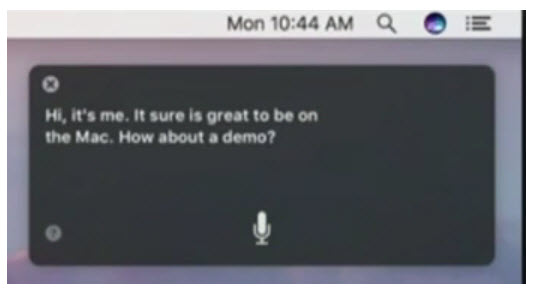
Bilzshaykh / CC BY-SA 4.0
Siri is a humble yet ambitious project to build a virtual assistant that can help you get things done just by asking.
— Dag Kittlaus
Siri: The Voice in Your Pocket (2011)
Siri, the virtual assistant that sparked a revolution in how we interact with technology, made its debut in 2011.
What happened: In 2011, Apple introduced Siri, a virtual assistant and chatbot that could understand and respond to voice commands, thanks to the work of Dag Kittlaus, Adam Cheyer, and Tom Gruber, who had previously developed the technology under the DARPA-funded CALO project at SRI International. Siri’s launch on the iPhone 4S marked the first time an AI assistant was embedded in a mass-market consumer device, fundamentally changing how people interacted with technology. Siri
Why it matters: Siri’s introduction in 2011 not only normalized the idea of talking to a machine but also set off an arms race among tech giants to develop their own AI assistants. Google Now, Amazon’s Alexa, and Microsoft’s Cortana soon followed, reshaping the way billions of people use technology. Siri’s origins in military research, specifically DARPA’s CALO project, highlight how government-funded initiatives can lead to transformative consumer products.
Further reading:
Why This Mattered
Siri was the first AI assistant embedded in a mass-market consumer device, normalizing the idea of talking to a machine. It triggered an arms race among tech giants — Google Now, Alexa, and Cortana all followed — fundamentally reshaping how billions of people interact with technology. Its origins in DARPA's CALO project also demonstrated how military research could seed transformative consumer products.