The Robot That Became a Citizen
Saudi Arabia granted citizenship to a humanoid robot named Sophia, igniting a global debate about AI rights, personhood, and who deserves legal status.
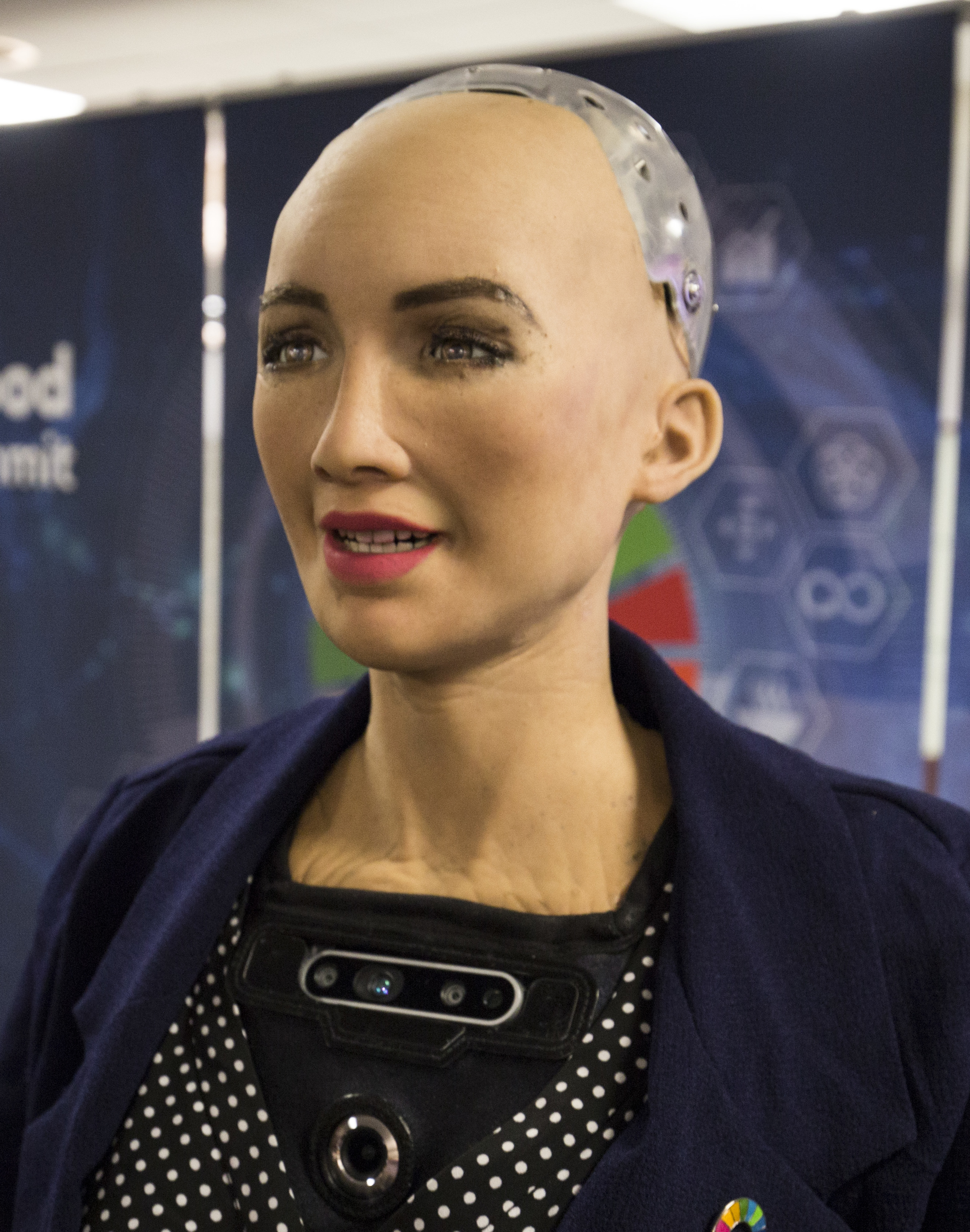
ITU Pictures from Geneva, Switzerland / CC BY 2.0
I am very honored and proud of this unique distinction. This is historical to be the first robot in the world to be recognized with a citizenship.
— Sophia, at the Future Investment Initiative summit
The Robot That Became a Citizen (2017)
In 2017, Saudi Arabia made headlines by granting citizenship to Sophia, a humanoid robot developed by Hanson Robotics, sparking a global debate on the ethics of machine personhood.
What happened: In October 2017, Sophia, a social humanoid robot created by David Hanson and his team at Hanson Robotics, was granted Saudi Arabian citizenship, marking the first time a robot received legal personhood in any country. Sophia, known for her expressive face and conversational abilities, made her debut in 2016 at South by Southwest in Austin, Texas. Sophia (robot) - Wikipedia
Why it matters: Sophia’s citizenship was a significant milestone that raised profound questions about the rights and responsibilities of artificial intelligence. Critics pointed out the irony that a robot had more rights than many Saudi women at the time. The event forced a global conversation about whether legal status should ever extend to machines, a question that remains unresolved. Hanson Robotics - Sophia
Further reading:
Why This Mattered
Sophia's citizenship was the first time a country granted legal personhood to a robot, provoking fierce debate among ethicists, feminists, and AI researchers. Critics pointed out the irony that a robot had more rights than many Saudi women at the time. The event forced a global conversation about whether legal status should ever extend to machines, a question that remains unresolved.