The Algorithm That Crashed the Art World
An AI-generated portrait sold at Christie's for $432,500, forcing the art world to confront a new kind of creator.
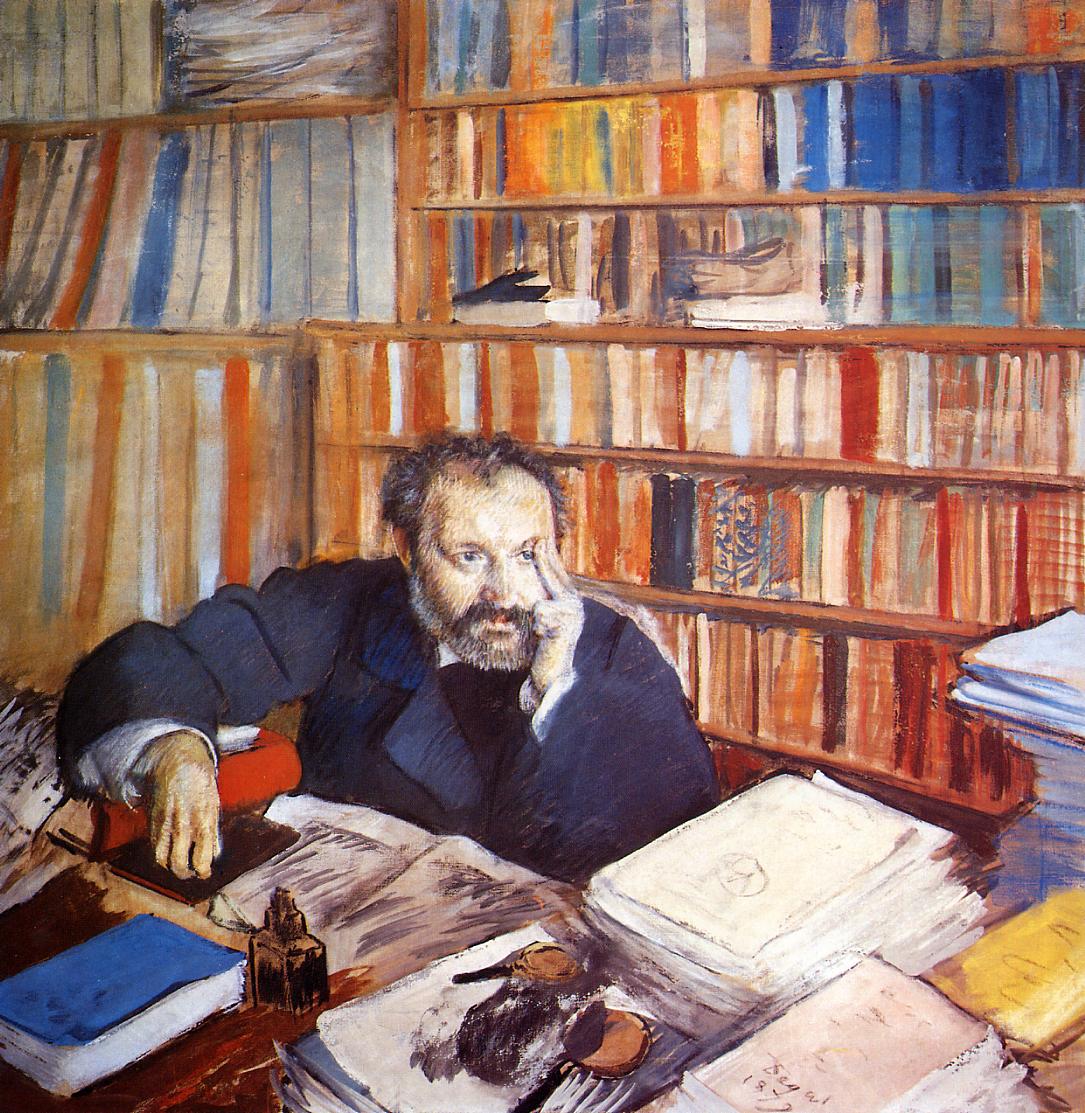
Edgar Degas / Public domain
It may not have been painted by a man, but it certainly isn't a random cool picture either. There is a creative process here.
— Richard Lloyd, Christie's International Head of Prints and Multiples
The Algorithm That Crashed the Art World (2018)
In 2018, the sale of ‘Portrait of Edmond de Belamy’ at Christie’s for $432,500 marked a pivotal moment in the intersection of artificial intelligence and art. Created by Hugo Caselles-Dupré, Pierre Fautrel, and Gauthier Vernier of the Paris-based arts collective Obvious, the painting was generated using a generative adversarial network (GAN) trained on WikiArt’s database. The artwork’s name, a playful reference to GAN inventor Ian Goodfellow, sparked debates about the nature of creativity and authorship in the digital age.
Why it matters: This sale not only highlighted the growing influence of AI in creative fields but also raised critical questions about the value and legitimacy of machine-generated art. It presaged the rapid expansion of AI’s role in reshaping artistic practices and commercial markets over the following years.
Further reading:
Why This Mattered
The sale of 'Portrait of Edmond de Belamy' — generated by a GAN and signed with a loss function — made AI art front-page news and ignited fierce debates about authorship, creativity, and whether algorithms can be artists. It foreshadowed the explosion of AI-generated imagery that would reshape creative industries within five years.