The Ugliest Bridge Never Built
Joseph Strauss's original 1921 proposal was a grotesque cantilever-suspension hybrid that San Francisco rejected — forcing the redesign that created an icon.
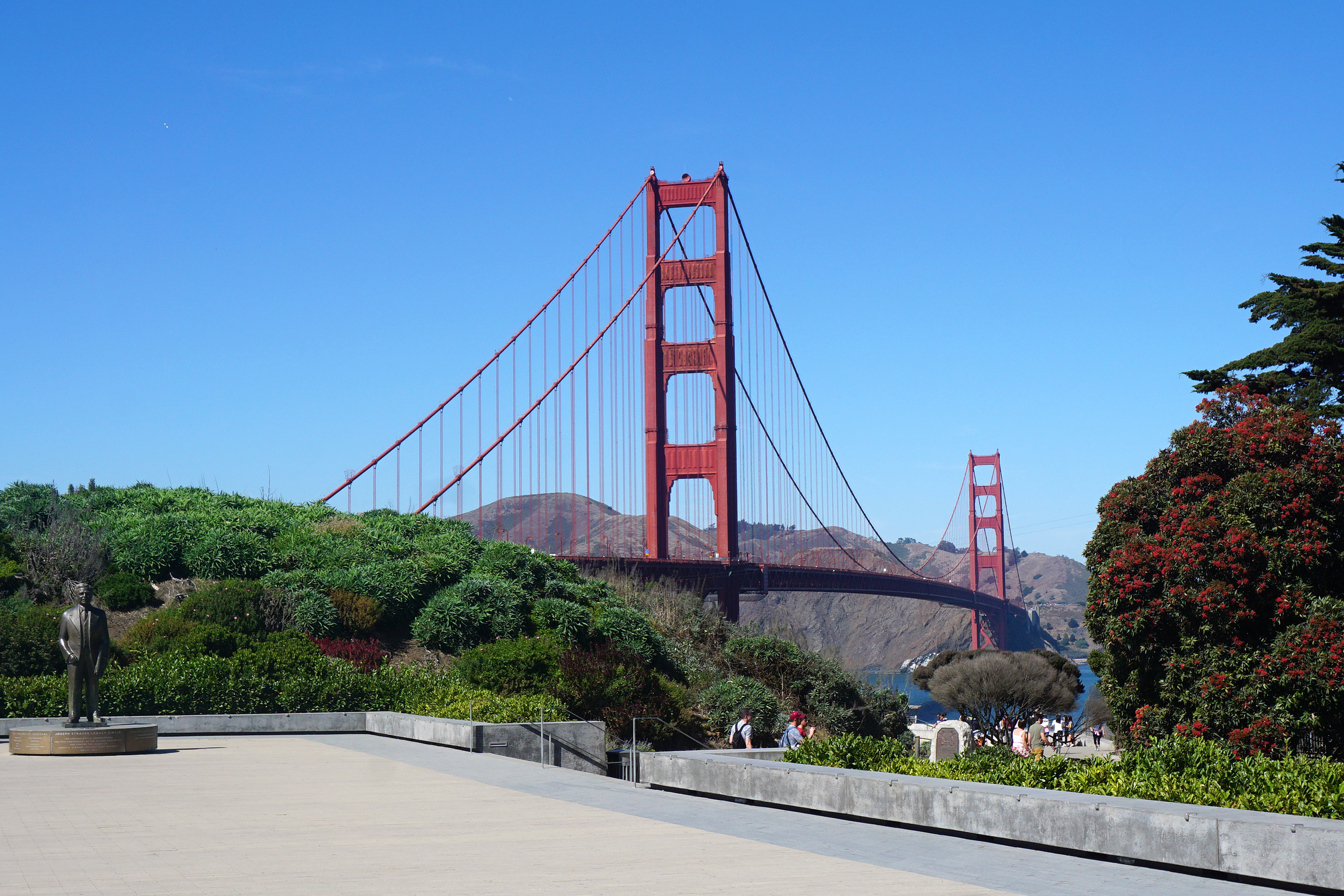
Mariordo (Mario Roberto Durán Ortiz) / CC BY-SA 4.0
Everyone says I built the Bridge, but the Bridge was really designed by my engineers.
— Joseph Strauss
In 1921, Joseph Strauss became the chief engineer of the Golden Gate Bridge project, unveiling a design that was far from the iconic structure we know today. This design, a hybrid of a heavy cantilever structure with a short suspension span, was widely mocked as ugly and impractical. Michael M. O’Shaughnessy, the city engineer of San Francisco, played a significant role in the bridge’s development, advocating for its construction. 1
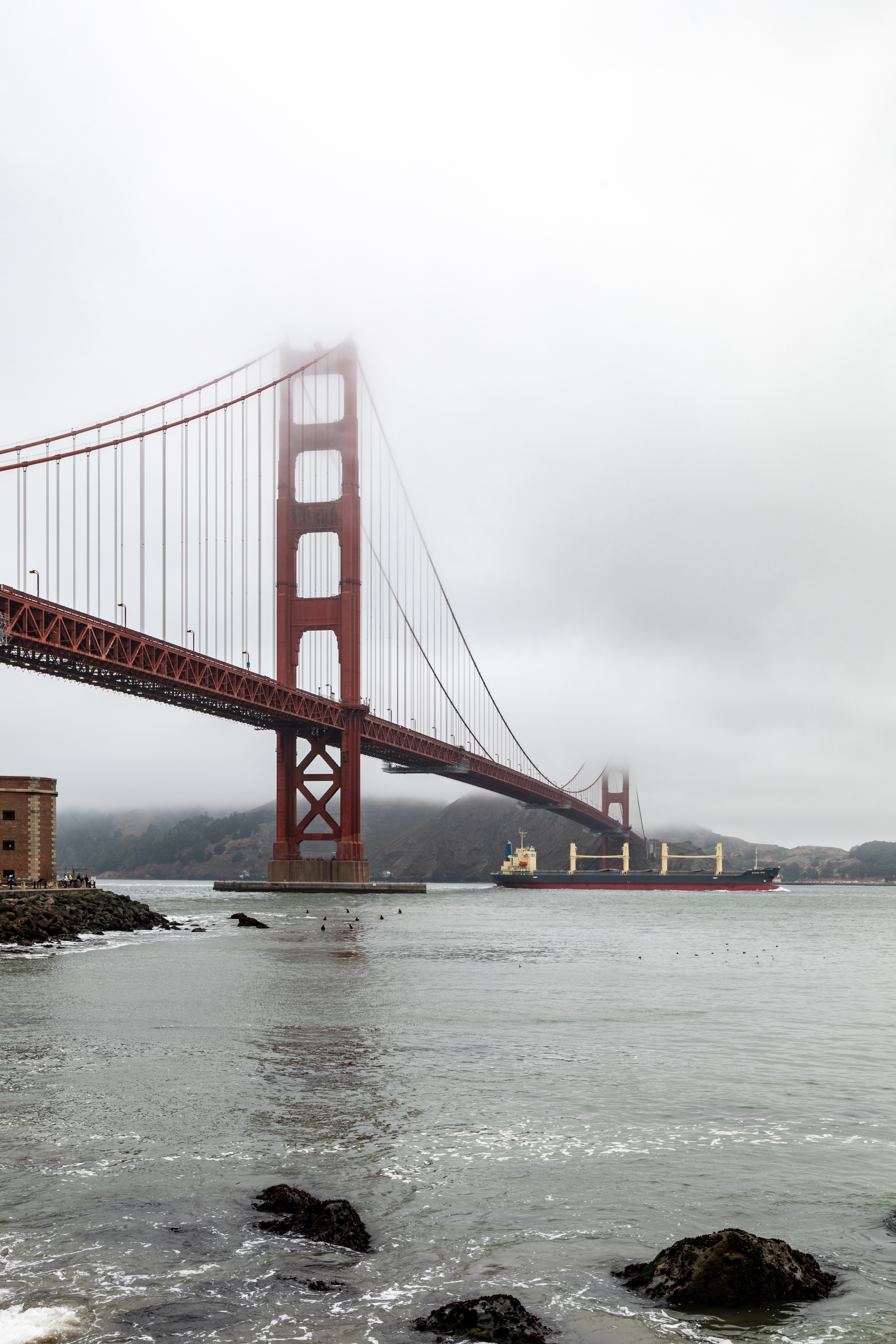
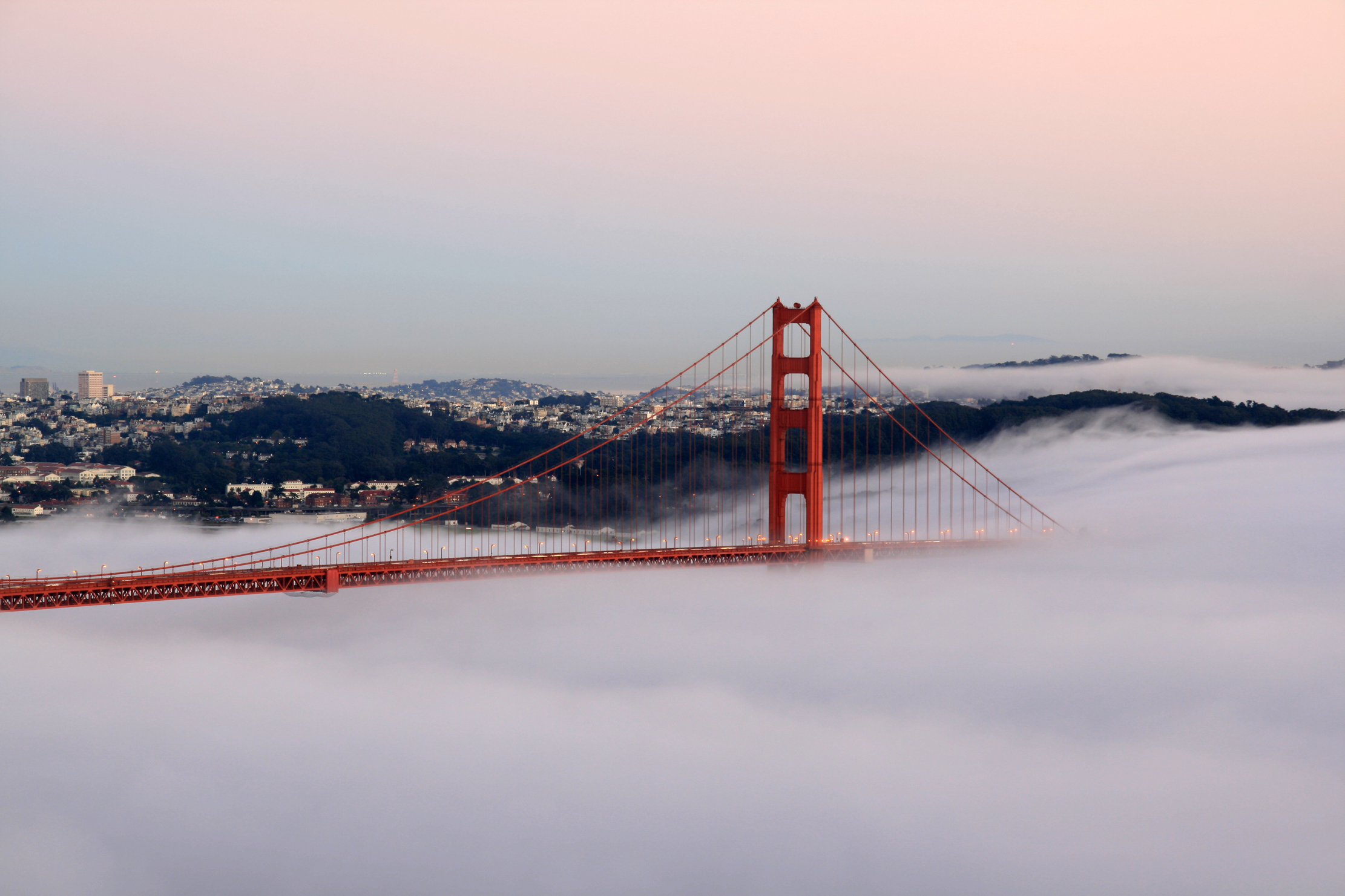
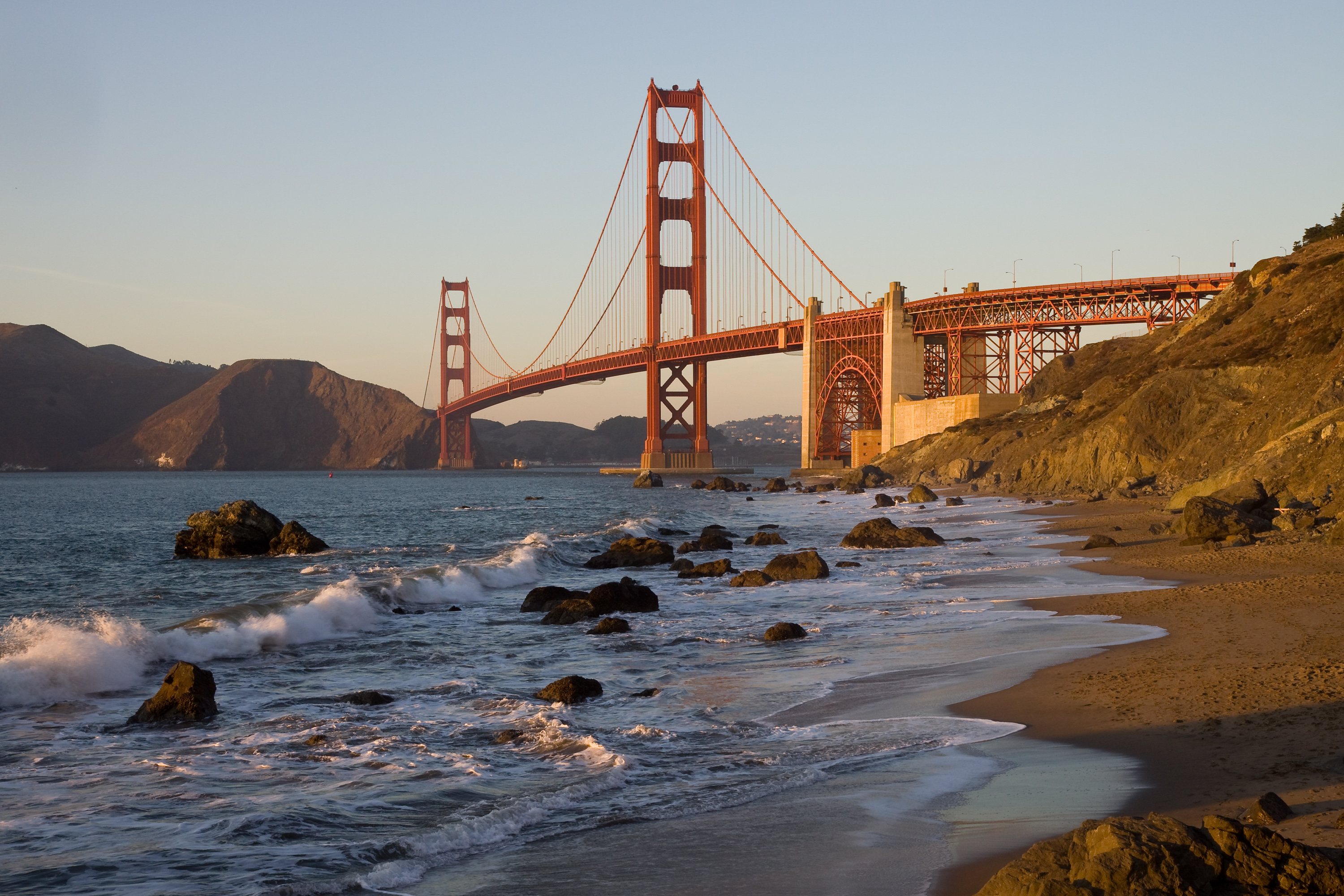
The public and professional rejection of Strauss’s original design forced him to collaborate with architect Irving Morrow and engineer Charles Ellis. Their contributions transformed the project into the Art Deco masterpiece that has become a cultural icon. Without this collaboration, the Golden Gate Bridge might have remained an industrial-looking structure, failing to capture the imagination of the world.
This pivotal moment in the bridge’s history highlights the importance of design and aesthetics in engineering projects. It shows how a collaborative approach can elevate a project from a mere functional structure to a work of art that inspires and endures.
Further reading:
Why This Mattered
Strauss's original design was a clunky, industrial-looking hybrid combining a heavy cantilever structure with a short suspension span — widely mocked as ugly and impractical. Public and professional rejection of this design ultimately forced collaboration with architects Irving Morrow and engineer Charles Ellis, whose contributions transformed the project into the Art Deco masterpiece the world knows today. Had the original design been accepted, the Golden Gate Bridge would never have become a cultural icon.