The Military Said No
The U.S. War Department nearly killed the Golden Gate Bridge over fears an enemy could bomb it and seal San Francisco Bay forever.
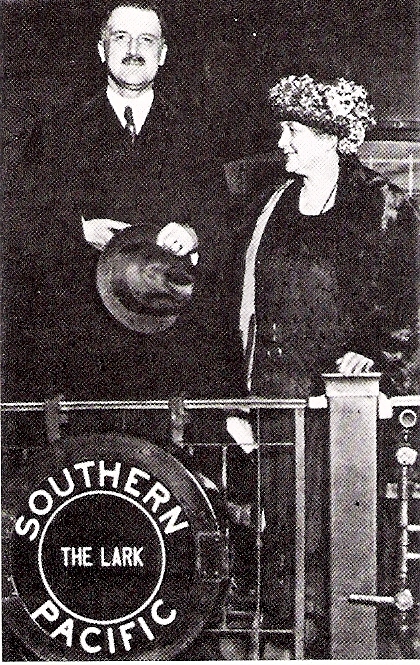
Edward H. Mitchell / Public domain
The bridge would be a menace to navigation and a positive detriment to the defense of the harbor.
— Major General George B. Duncan
The Golden Gate Bridge’s Near-Veto by the Military in 1924
In 1924, the Golden Gate Bridge faced its most significant hurdle before construction began: the War Department’s near-veto of the project. [1] The Military, led by Major General George B. Duncan, argued that a destroyed bridge span would block the entire Pacific Fleet inside the Bay, posing a significant security risk. However, Secretary of War John Weeks granted the permit in December 1924 with strict conditions on clearance height, ensuring the bridge would not impede naval traffic. This decision was pivotal, as it was the closest the bridge came to being scrapped due to military concerns before political and financial issues arose.
This near-veto by the military was crucial because it set the stage for the bridge’s design and clearance requirements, ensuring it would not only serve as a vital transportation link but also maintain strategic importance for naval operations. The clearance height mandated by the military influenced the bridge’s iconic height and aesthetic, making it a symbol of engineering prowess and resilience.
Further reading:
Why This Mattered
The War Department controlled all construction over navigable waters, and military leaders argued a destroyed bridge span would blockade the entire Pacific Fleet inside the Bay. Secretary of War John Weeks ultimately granted the permit in December 1924 with strict conditions on clearance height, but the military's near-veto remained the closest the bridge came to dying before politics or money ever entered the picture.