The Architect Who Made Steel Beautiful
Irving Morrow transformed a utilitarian span into an Art Deco masterpiece through stepped towers, geometric railings, and theatrical lighting — yet history nearly forgot him.

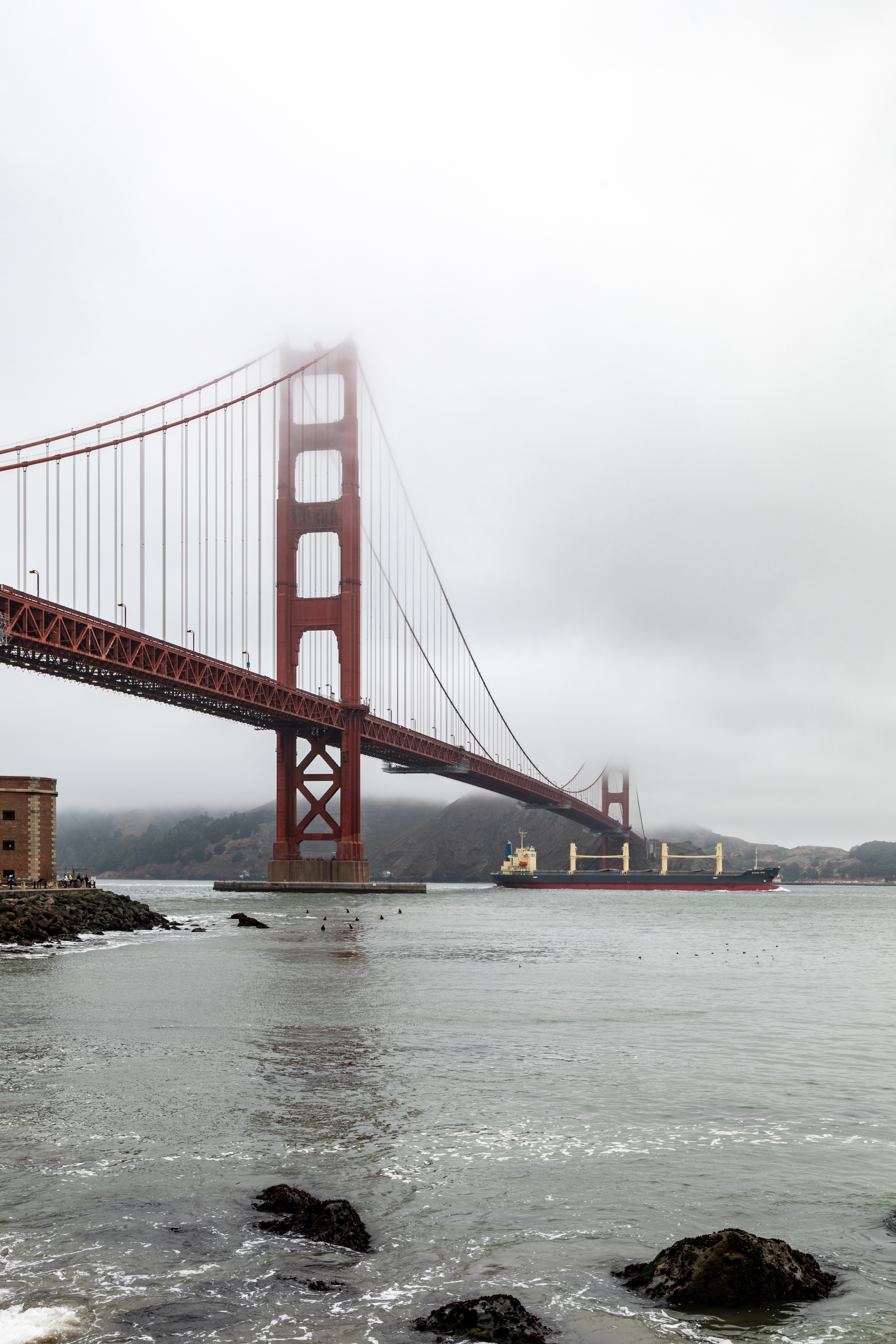
Christian Mehlführer, User:Chmehl / CC BY 3.0
The simple and continuous structural lines may be emphasized by the decorative treatment so that the simpler the structure appears the more successful the treatment will be judged.
— Irving Morrow
The Golden Gate Bridge’s Architectural Vision
In 1930, architect Irving Morrow and his wife Gertrude Comfort Morrow brought their Art Deco vision to the Golden Gate Bridge, transforming it from a mere engineering feat into a global icon.
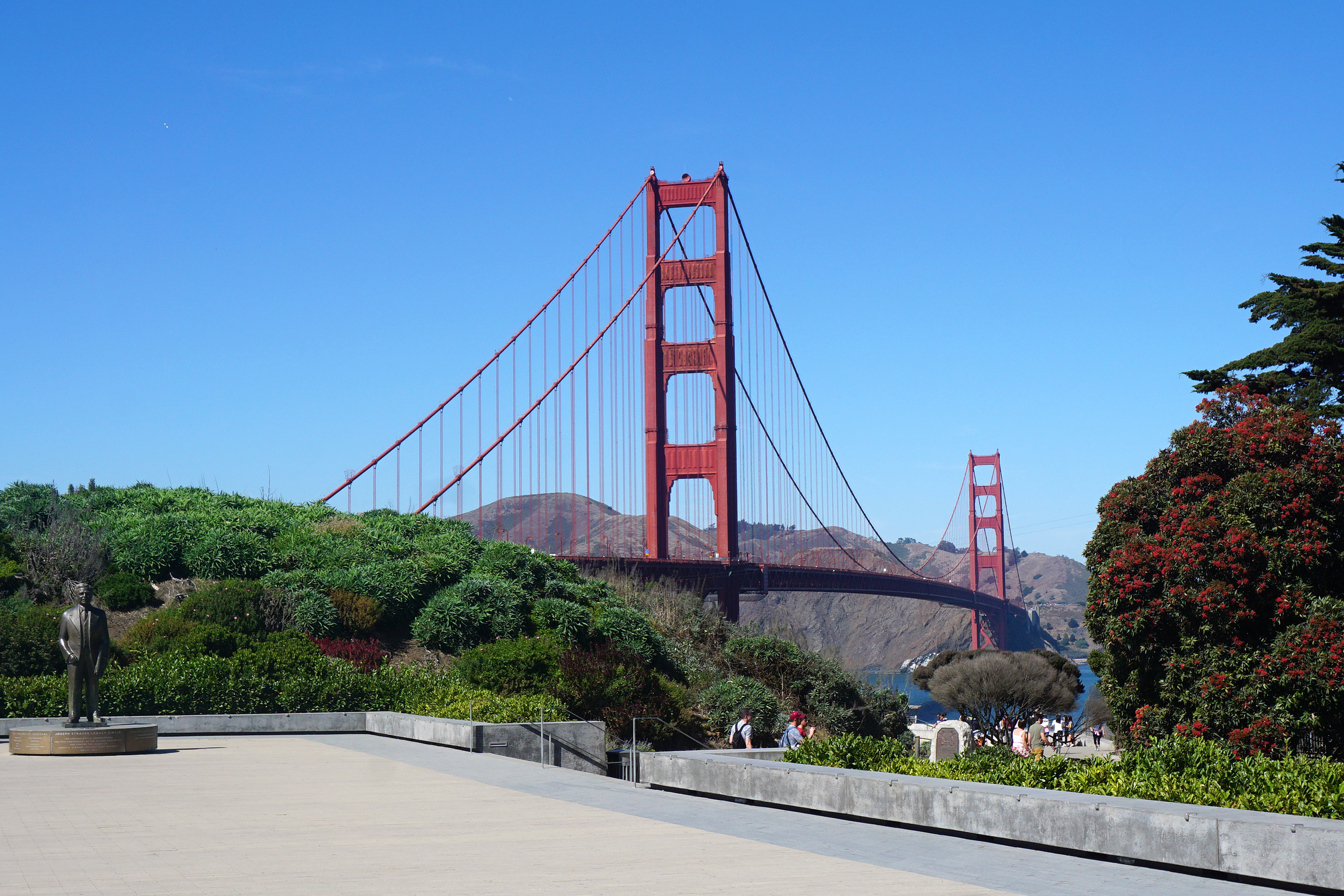
What happened: In 1930, architect Irving Morrow and his wife Gertrude Comfort Morrow were instrumental in designing the aesthetic elements of the Golden Gate Bridge. Their contributions included the stepped-back tower shafts, chevron bracing patterns, and the lighting plan, which elevated the bridge’s appearance beyond that of a typical utilitarian structure. Wikipedia credits Morrow’s work for making the bridge a celebrated landmark.
Why it matters: Morrow’s architectural vision ensured that the Golden Gate Bridge would be more than just a functional crossing; it would become an internationally recognized symbol of San Francisco and California. His design elements have stood the test of time, making the bridge a beloved and enduring piece of American infrastructure. Despite their significant contributions, the Morrows were poorly compensated and largely uncredited for decades.
Further reading:
Why This Mattered
Morrow's Art Deco detailing — the stepped-back tower shafts, the chevron bracing patterns, and the carefully planned lighting — elevated the Golden Gate Bridge from a utilitarian crossing into a global icon. Without his architectural vision, the bridge would have looked like any other large suspension bridge of its era. His wife Gertrude collaborated on the design, though both were poorly compensated and largely uncredited for decades.