The Banker Who Believed
When no financier in America would touch the bridge bonds during the Depression, A.P. Giannini's Bank of America bought the entire issue and saved the project.
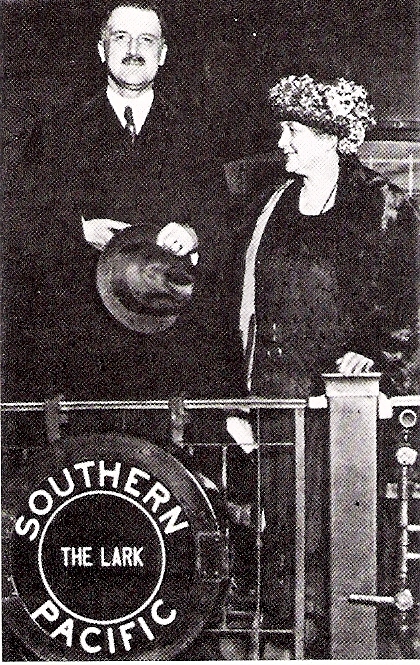
Davide Papalini / Public domain
We'll take the bonds.
— A.P. Giannini
The Golden Gate Bridge: A Pivotal Financial Move in 1932
In 1932, the Golden Gate Bridge project faced a significant funding obstacle due to the economic downturn of the Great Depression. Despite voter approval of $35 million in bonds in 1930, these bonds were unsellable on Wall Street. Joseph Strauss, the chief engineer of the bridge, turned to A.P. Giannini, who had built his banking empire on the principle of lending to ordinary people. Giannini purchased the bonds, a bold financial move that allowed construction to begin and saved the project from potential cancellation. 1
Why it matters: Giannini’s purchase of the bonds was a pivotal moment in the history of the Golden Gate Bridge. Without his financial support, the bridge might have remained a concept rather than the iconic symbol of San Francisco and California that it is today. His decision exemplifies the spirit of innovation and perseverance that characterized the bridge’s construction and its enduring legacy as a marvel of engineering and a cultural icon.
Further reading:
Why This Mattered
Voters had approved $35 million in bonds in 1930, but the Depression made them unsellable. A.P. Giannini, the son of Italian immigrants who had built Bank of America on the principle of lending to ordinary people, purchased the bonds when Wall Street refused. Without his gamble, construction could not have begun and the bridge might have died on paper.