The First Shovel in the Sand
On January 5, 1933, construction officially began at Crissy Field as the Great Depression raged — putting a thousand desperate men to work on the impossible.
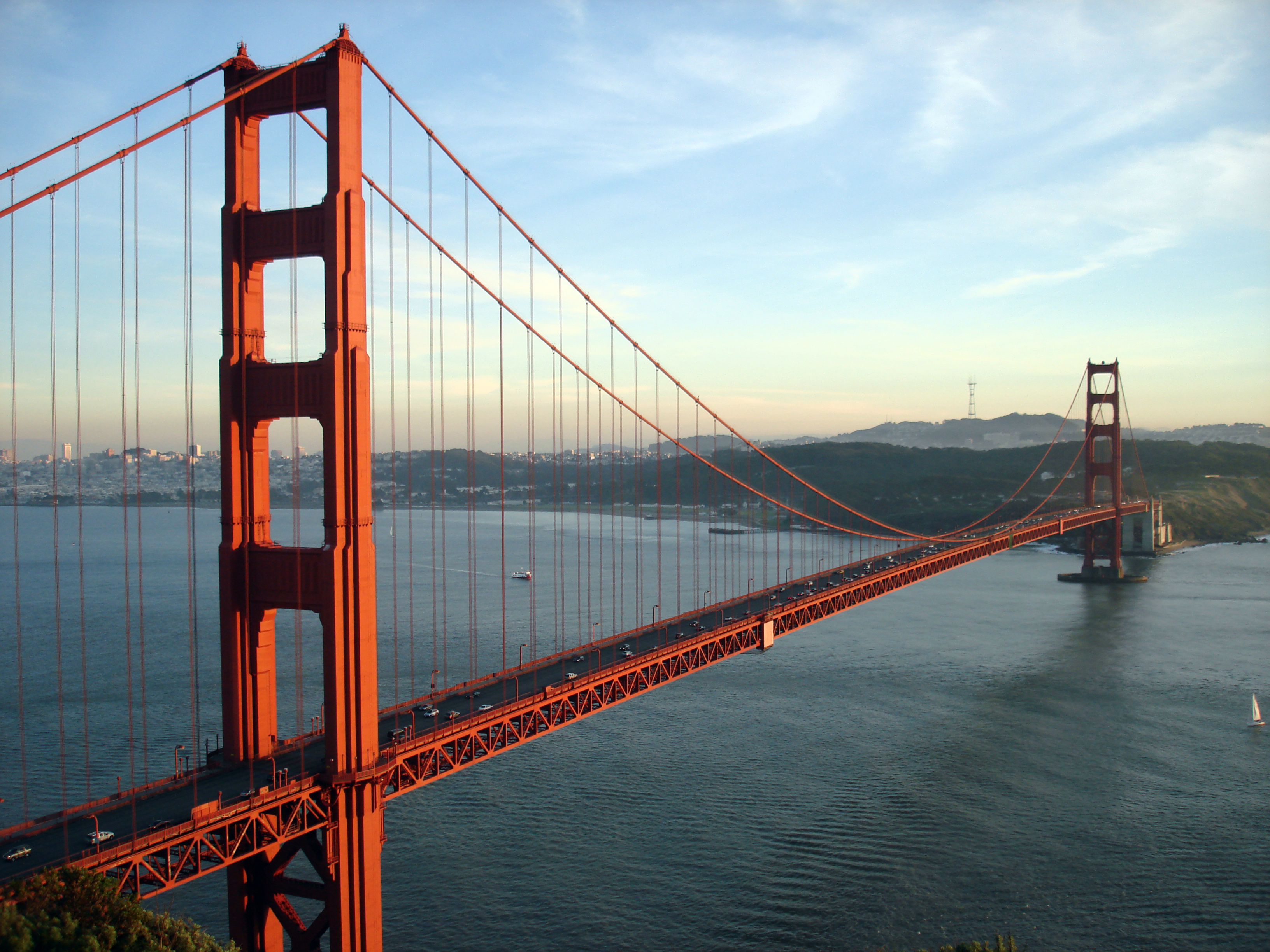
Rich Niewiroski Jr. / CC BY 2.5
The bridge will provide work for those who sorely need it, and when completed will be the greatest single monument to the genius of man.
— Angelo Rossi
The Golden Gate Bridge Groundbreaking Ceremony
On January 5, 1933, Joseph Strauss, the chief engineer of the Golden Gate Bridge project, presided over the groundbreaking ceremony, marking the start of construction on one of the world’s most iconic bridges.
What happened: On January 5, 1933, Joseph Strauss, along with Frank Merriam and Angelo Rossi, led the groundbreaking ceremony for the Golden Gate Bridge. This event symbolized the transition from an abstract engineering concept to a tangible construction project. The bridge’s construction was a significant public works initiative during the Great Depression, offering employment to thousands of workers who were struggling to find jobs. Golden Gate Bridge - Construction Timeline
Why it matters: The groundbreaking ceremony in 1933 was a pivotal moment that set in motion the creation of a bridge that would become a symbol of San Francisco and California. The Golden Gate Bridge not only transformed transportation in the region but also became a landmark recognized worldwide for its beauty and engineering prowess. Golden Gate Bridge, Highway and Transportation District - Bridge History
Further reading:
Why This Mattered
The groundbreaking ceremony marked the moment an abstract engineering dream became a physical reality. With unemployment near 25%, the bridge project became one of the most important public works jobs in the American West, paying workers between $4 and $11 per day — premium wages that drew applicants from across the country.