The Fort That Bent a Bridge
Rather than demolish a Civil War fortress, engineers redesigned the Golden Gate Bridge to arch over it — creating the span's most dramatic feature.
The old fort, with its war-scarred walls, still stands guard beneath the bridge, a monument to the skill and daring of earlier generations.
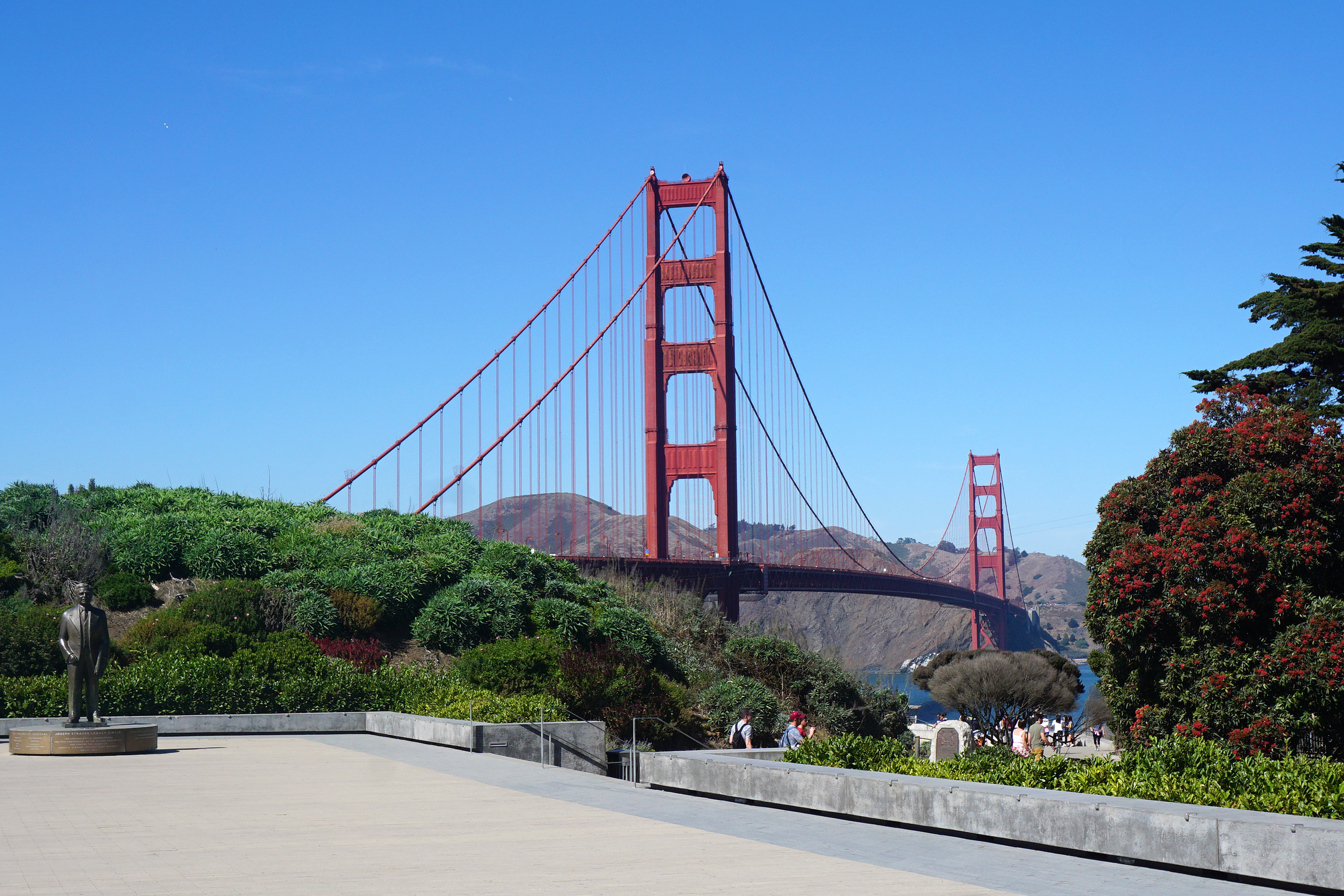
— Joseph Strauss
The Fort That Bent a Bridge (1933)
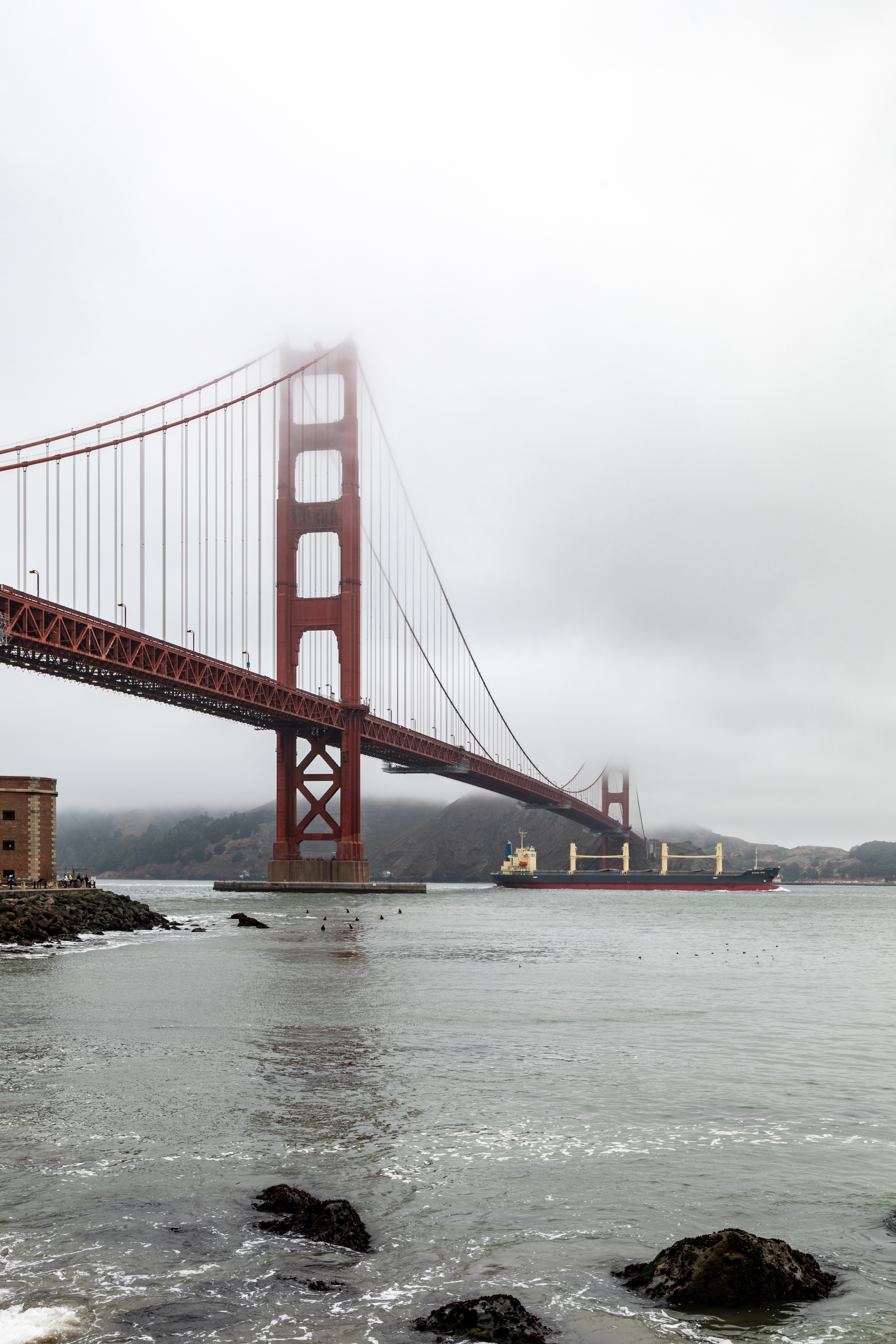
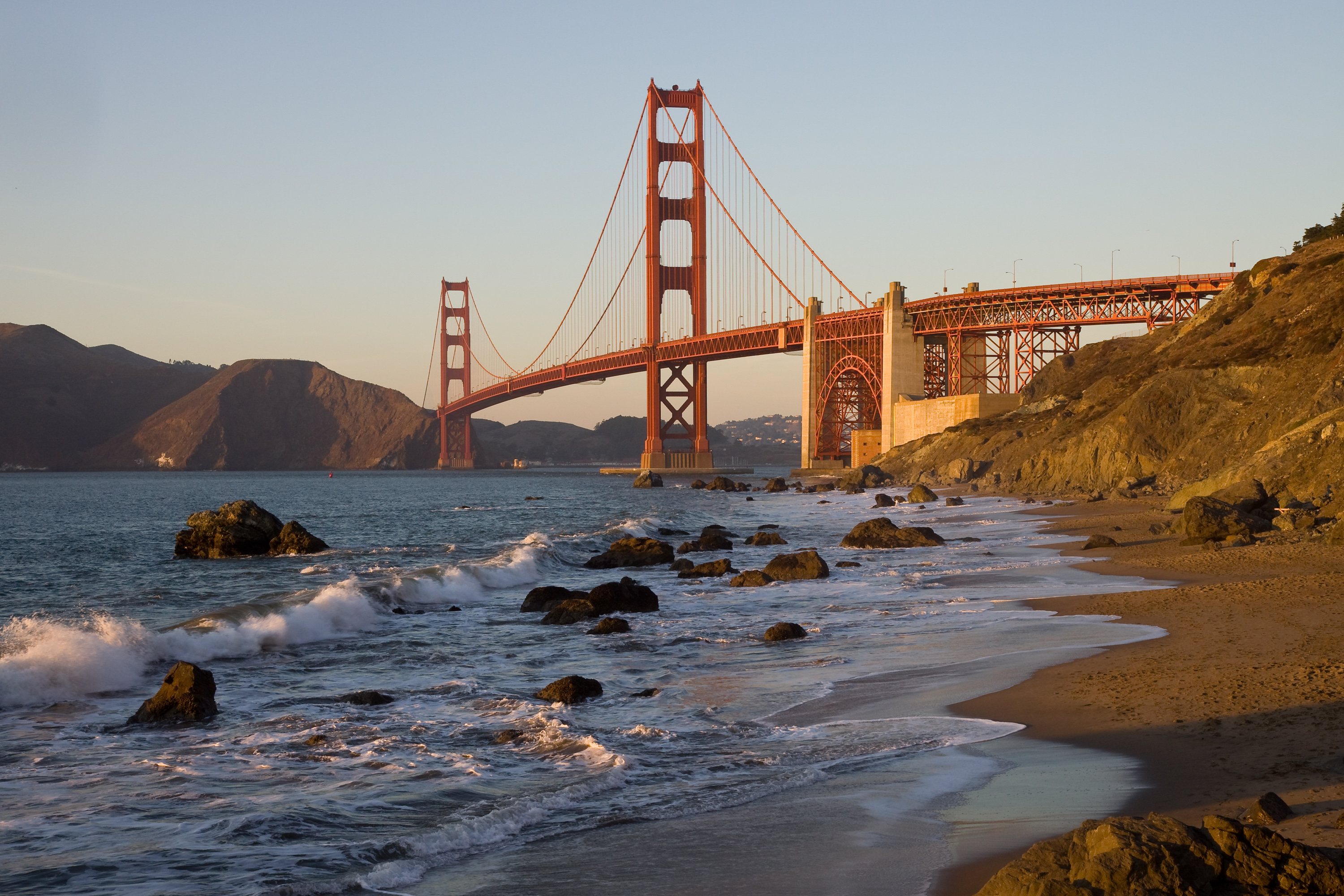
In 1933, the construction of the Golden Gate Bridge faced a significant challenge when engineers decided to preserve Fort Point, leading to the creation of a dramatic steel arch that became one of the bridge’s most recognizable features.
What happened: In 1933, the construction of the Golden Gate Bridge encountered a unique architectural challenge. The bridge’s chief engineer, Joseph Strauss, along with architect Irving Morrow and engineer Charles Ellis, decided to preserve Fort Point, a historic Civil War-era fort. This decision forced the engineers to design a dramatic steel arch for the bridge’s south approach, which became one of the bridge’s most iconic elements. Fort Point National Historic Site Golden Gate Bridge — Design and Construction
Why it matters: The preservation of Fort Point not only saved a significant piece of American history but also added a unique architectural feature to the Golden Gate Bridge. This decision has had a lasting impact on the bridge’s design and its status as a symbol of San Francisco and California. Fort Point was later designated a National Historic Site in 1970, a testament to the foresight of the bridge’s engineers.
Further reading:
Why This Mattered
The decision to preserve Fort Point forced a dramatic steel arch into the south approach, which became one of the bridge's most recognizable architectural elements. Fort Point was later designated a National Historic Site in 1970, its survival owed entirely to the engineers who chose to build around it rather than through it.