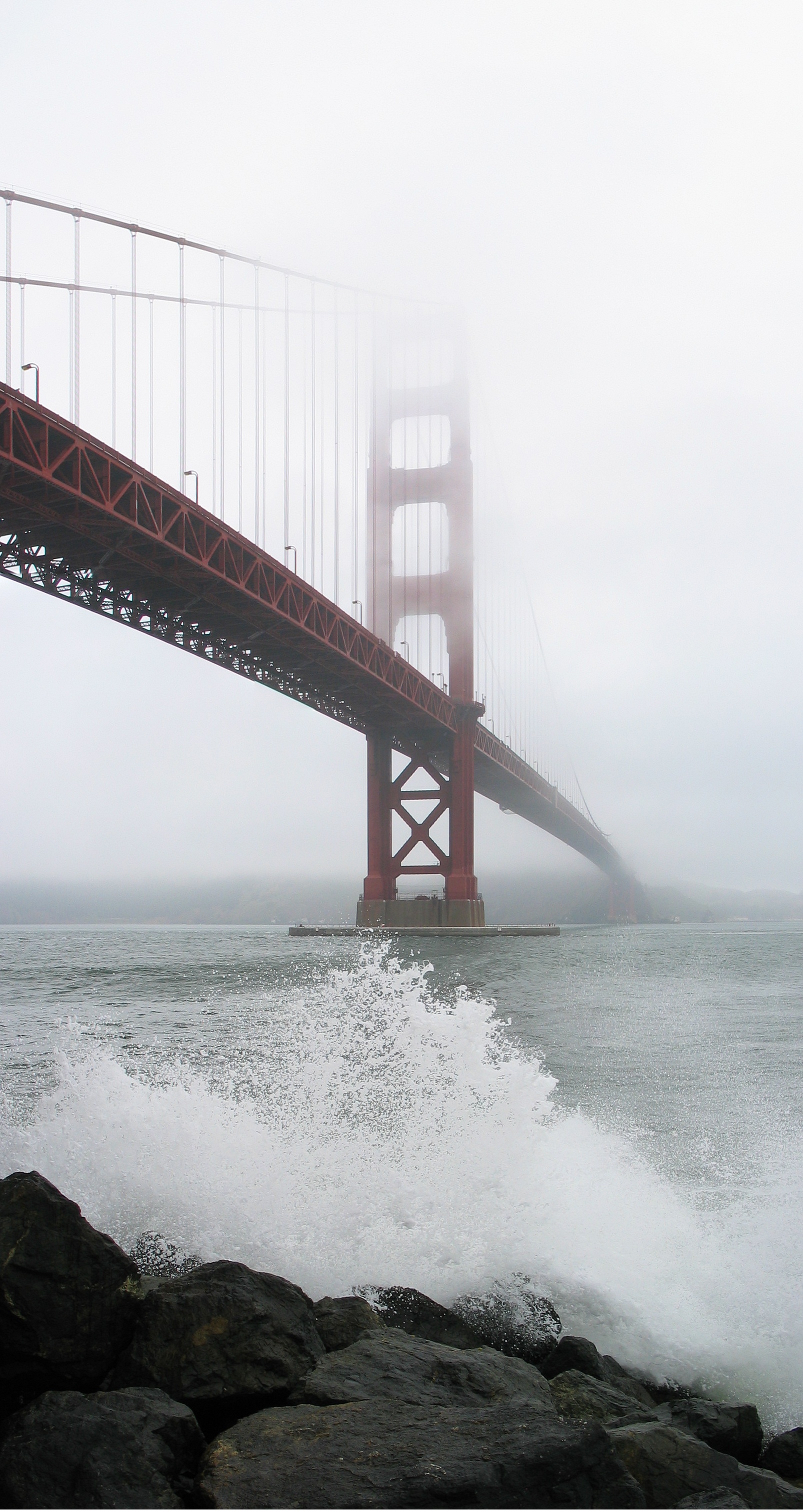
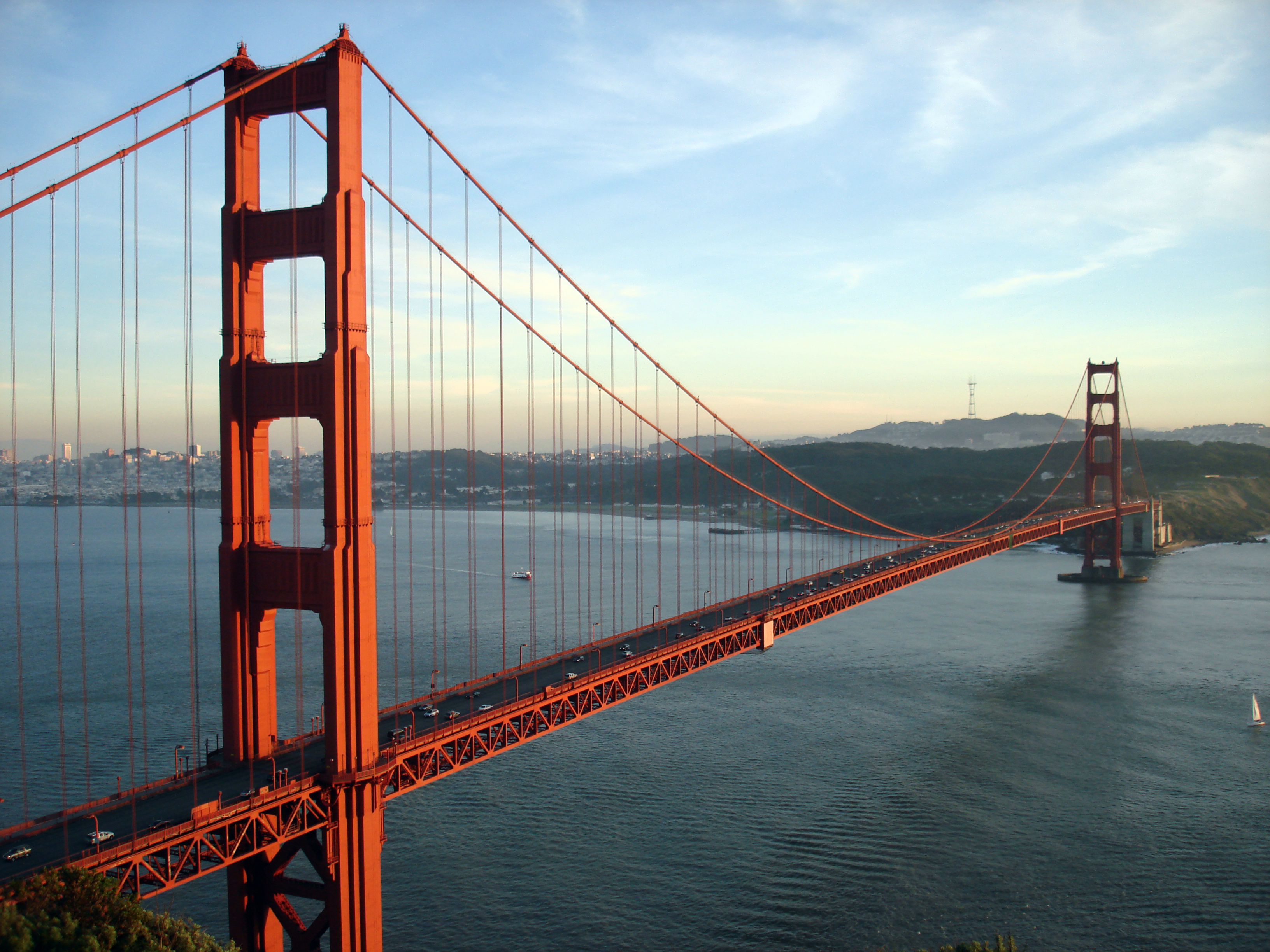
The Pier That Defied the Pacific
Building the south tower's foundation 1,100 feet offshore in raging open ocean nearly doomed the entire bridge project.
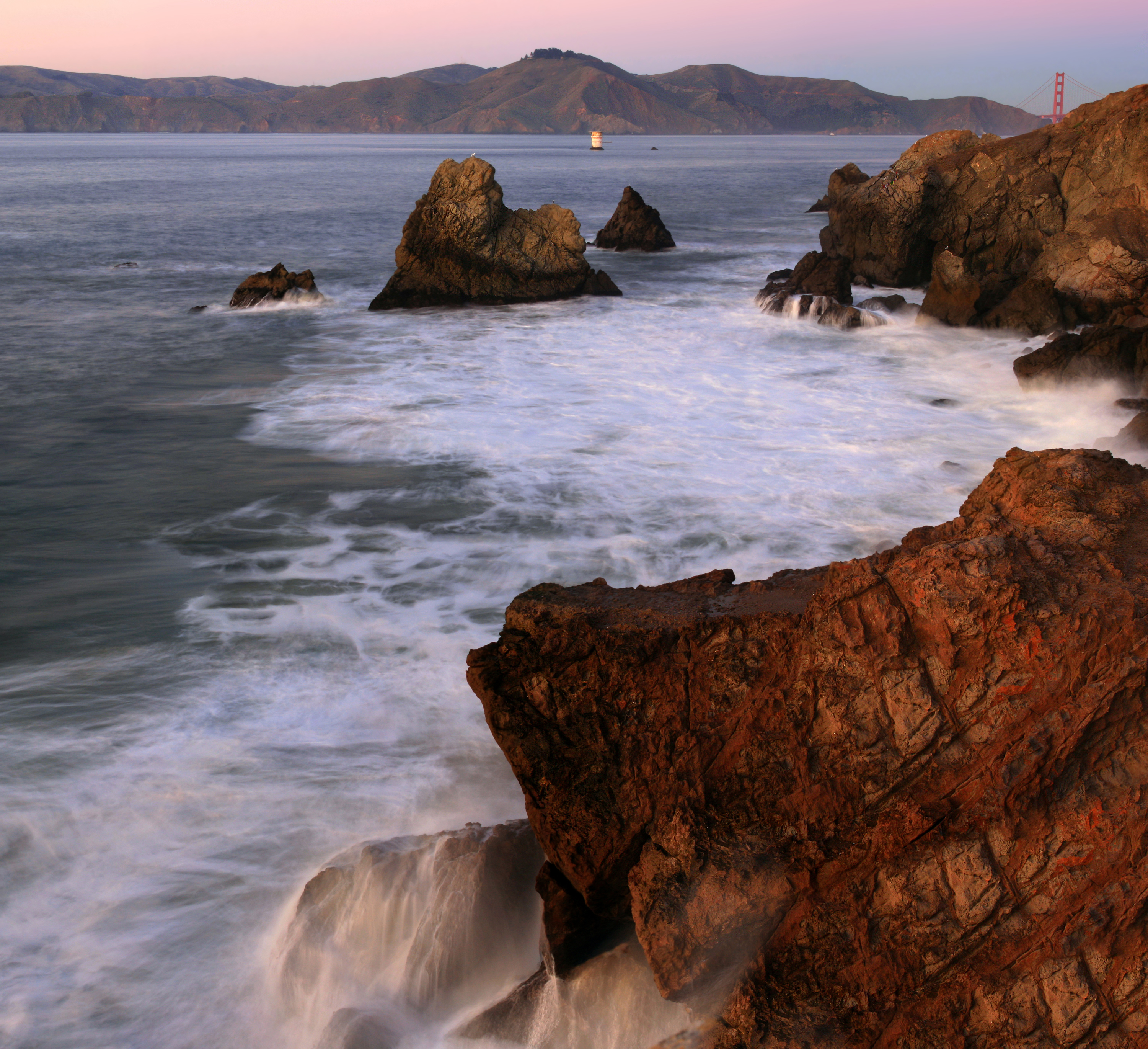
Brocken Inaglory / CC BY-SA 3.0
The Gate is … one of the worst pieces of water in the whole world.
— Joseph Strauss
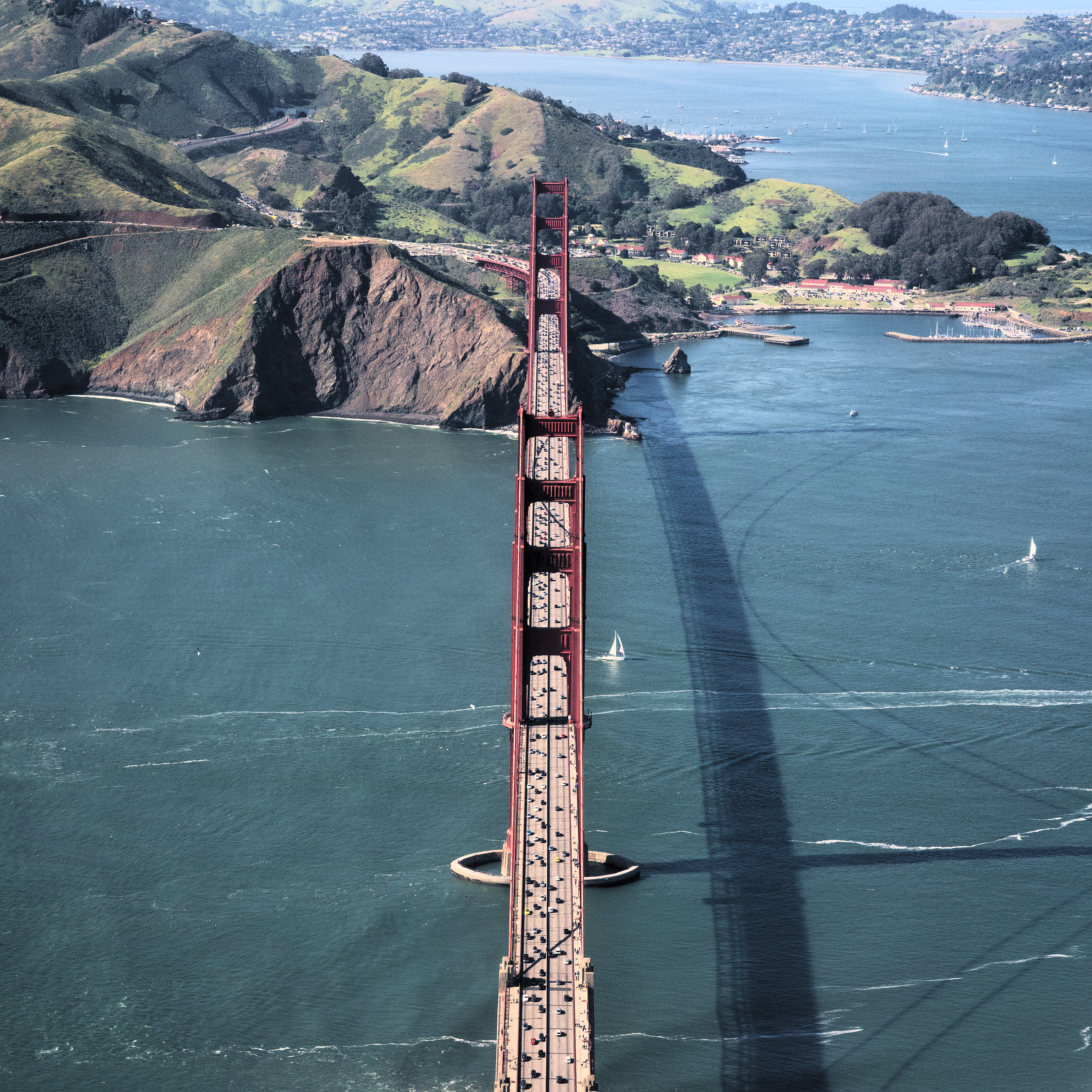
In 1934, the construction of the Golden Gate Bridge faced its most formidable challenge: building the south tower pier in the open Pacific Ocean. Workers under the direction of chief engineer Joseph Strauss and construction manager Russell Cone had to construct a massive oval concrete fender to anchor the bridge’s foundation, battling harsh 60 mph tidal currents and crashing waves. When a freighter smashed into the access trestle in August 1933, destroying months of work, the team rebuilt and completed the foundation, proving that a suspension bridge could be anchored in open ocean. 1
This milestone was crucial as it demonstrated the feasibility of building a suspension bridge in such challenging conditions, paving the way for the completion of the Golden Gate Bridge and its recognition as one of the Wonders of the Modern World by the American Society of Civil Engineers. The successful construction of the south tower pier also boosted public confidence in the project, leading to its eventual completion in 1937.
Further reading:
Why This Mattered
The south tower pier was the single greatest engineering challenge of the Golden Gate Bridge. Workers had to build a massive oval concrete fender in the open Pacific, battling 60 mph tidal currents and crashing waves. When a freighter smashed into the access trestle in August 1933, months of work were destroyed — yet the team rebuilt and completed the foundation, proving a suspension bridge could be anchored in open ocean.