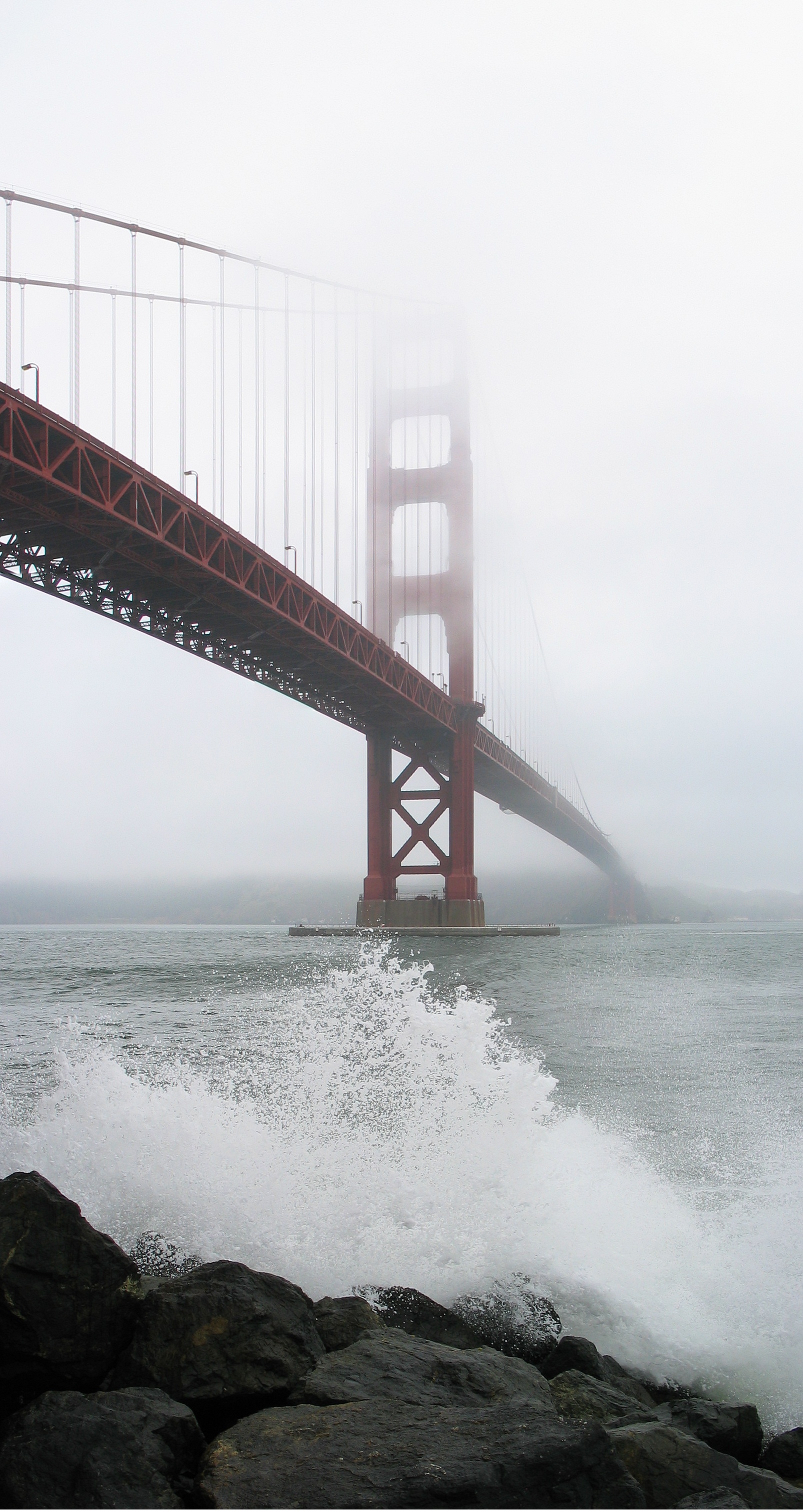
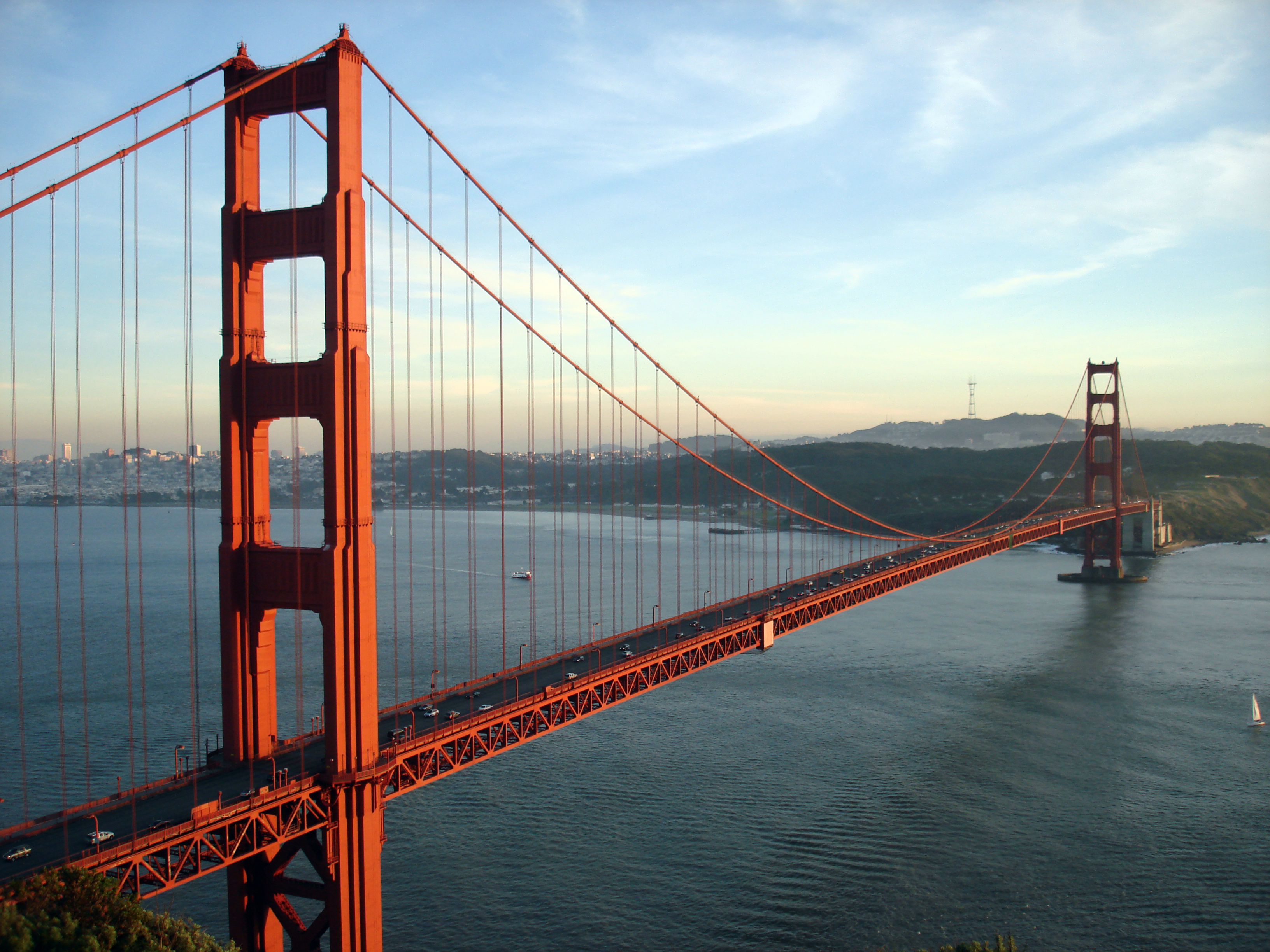
27,572 Wires Across the Sky
Over six months, workers shuttled individual steel wires back and forth across the Golden Gate strait to spin the bridge's two massive main cables by hand.
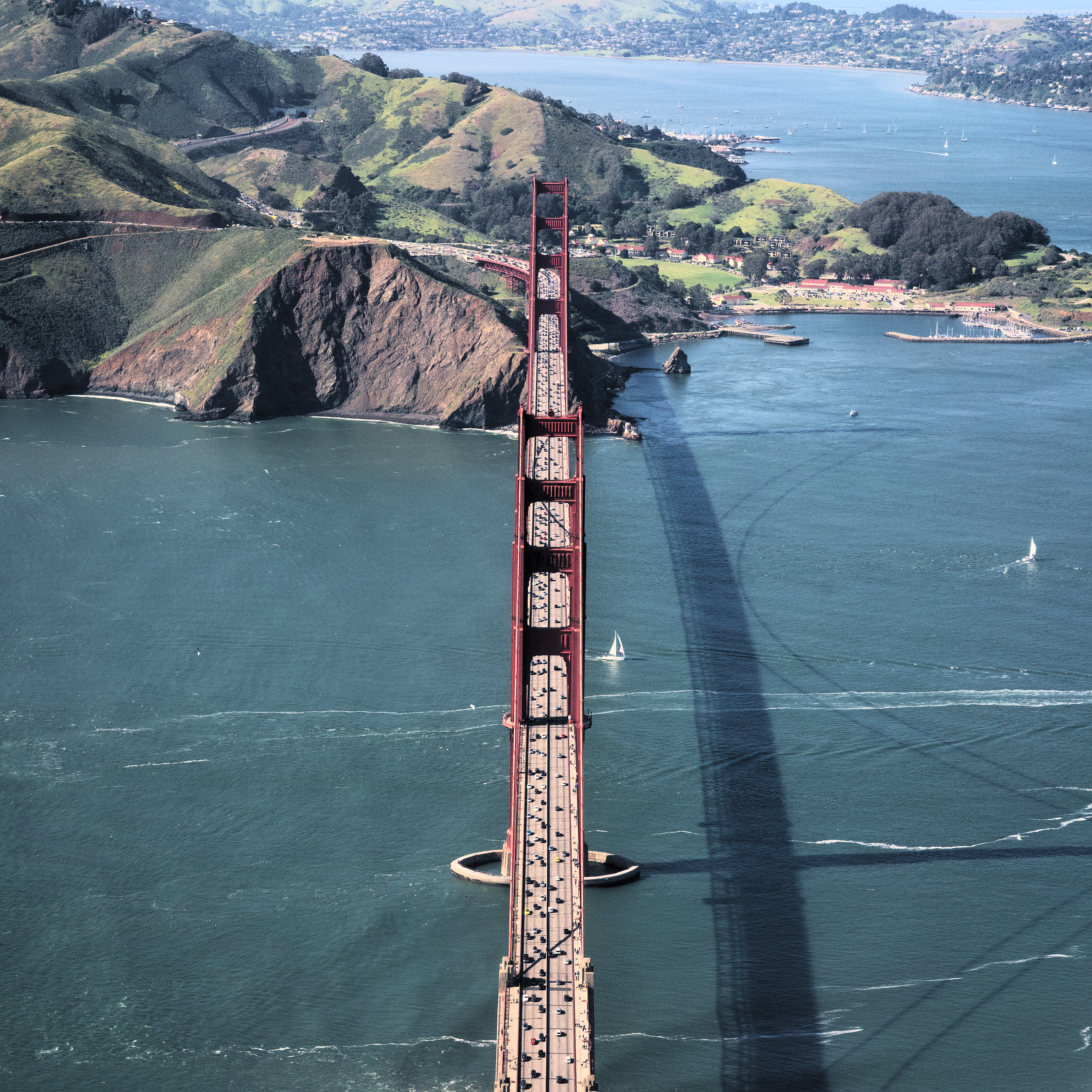
Daniel L. Lu (user:dllu) / CC BY-SA 4.0
This bridge needs neither praise, nor eulogy, nor encomium. It speaks for itself. We who have labored long are grateful.
— Joseph Strauss
In 1935, the Golden Gate Bridge’s construction reached a pivotal moment with the installation of 27,572 individual galvanized steel wires into its two main cables, a feat that would define the bridge’s structural integrity and visual grandeur.
What happened: In 1935, the Golden Gate Bridge’s construction saw the installation of 27,572 individual galvanized steel wires into its two main cables, each containing 27,572 wires bundled into 61 strands. This process, overseen by chief engineer Joseph Strauss and carried out by John A. Roebling’s Sons Company, created cables 36.5 inches in diameter and 7,650 feet long. The aerial spinning method, perfected by the Roebling company, shuttled wire loops across the strait on a traveling wheel at speeds up to 650 feet per minute.
Why it matters: This milestone not only showcased the engineering prowess of the era but also ensured the bridge’s longevity and safety. The Golden Gate Bridge, recognized as one of the Wonders of the Modern World by the American Society of Civil Engineers, stands as an enduring symbol of San Francisco and California, attracting millions of visitors annually.
Further reading:
Why This Mattered
Each of the bridge's two main cables contains 27,572 individual galvanized steel wires bundled into 61 strands, producing cables 36.5 inches in diameter and 7,650 feet long. The aerial spinning process, perfected by the Roebling company, shuttled wire loops across the strait on a traveling wheel at speeds up to 650 feet per minute — a method still used on suspension bridges worldwide.