The Halfway-to-Hell Club
A revolutionary safety net beneath the Golden Gate Bridge saved 19 workers' lives during construction, creating an unprecedented brotherhood of survivors.

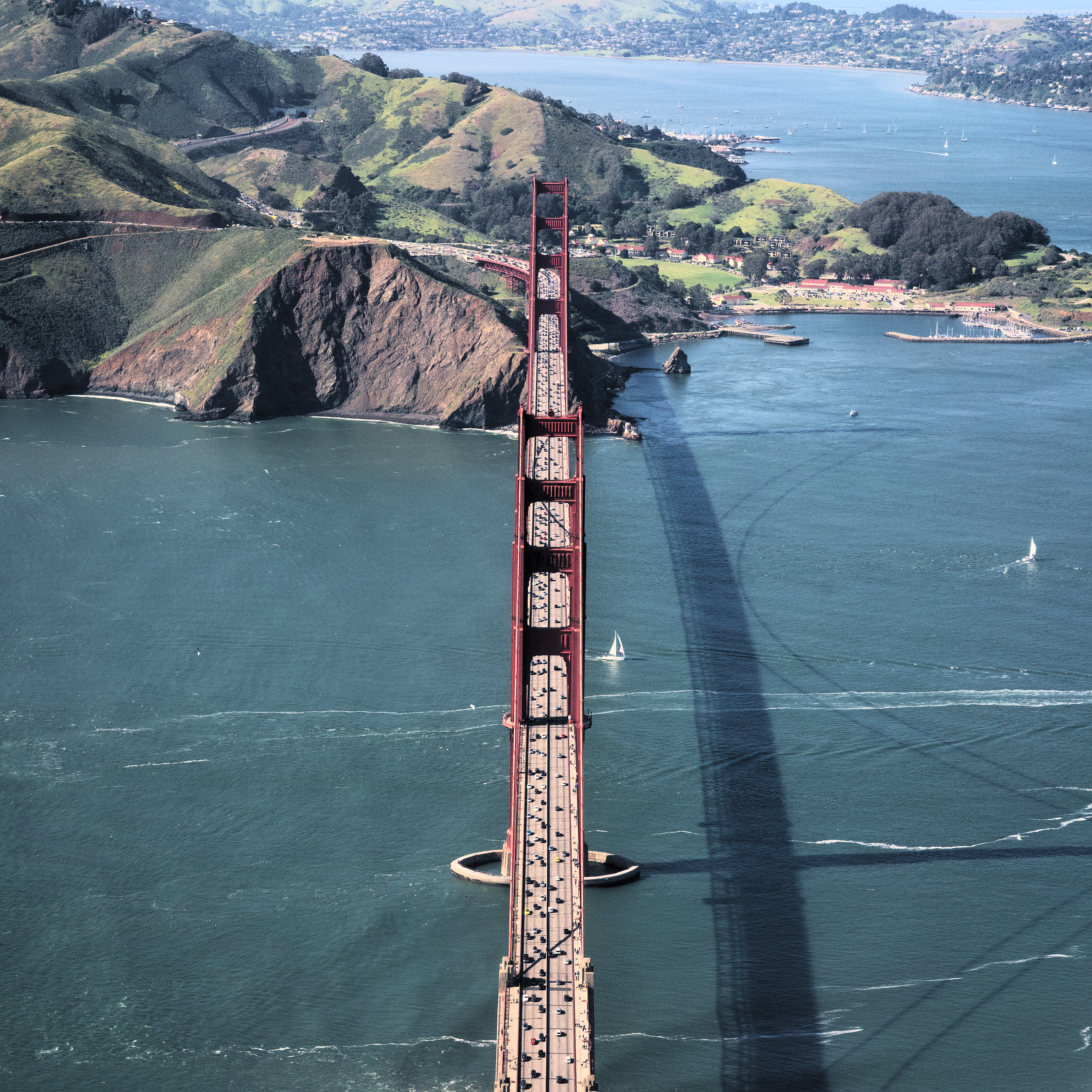
Daniel Schwen / CC BY-SA 2.5
The Golden Gate Bridge is a triumph of simplicity and steel — the safety net was the most humane decision we made.
— Joseph Strauss
The Halfway-to-Hell Club: A Safety Revolution in 1936
In 1936, during the construction of the Golden Gate Bridge, chief engineer Joseph Strauss introduced a revolutionary safety measure that would save lives and set new standards for worker protection.
What happened: In 1936, Joseph Strauss, the chief engineer of the Golden Gate Bridge, insisted on installing a massive safety net beneath the bridge deck, an unprecedented expense of $130,000 for the era. This net saved 19 men who fell during construction, and they informally formed a fraternity called the ‘Halfway-to-Hell Club.’ 1
Why it matters: This safety innovation helped establish new standards for worker protection on large-scale construction projects across the United States, significantly reducing the risk of fatal falls. The Halfway-to-Hell Club’s legacy underscores the importance of prioritizing worker safety in dangerous construction environments.
Further reading:
Why This Mattered
Chief engineer Joseph Strauss insisted on a massive safety net strung beneath the bridge deck during construction — a $130,000 expense unprecedented for the era. The net saved 19 men who fell during the work, and they formed an informal fraternity called the 'Halfway-to-Hell Club.' This safety innovation helped establish new standards for worker protection on large-scale construction projects across the United States.