The Day the Safety Net Failed
A collapsed scaffold sent twelve men plunging through the Golden Gate's famous safety net, killing ten and ending the bridge's remarkable safety record just months before completion.

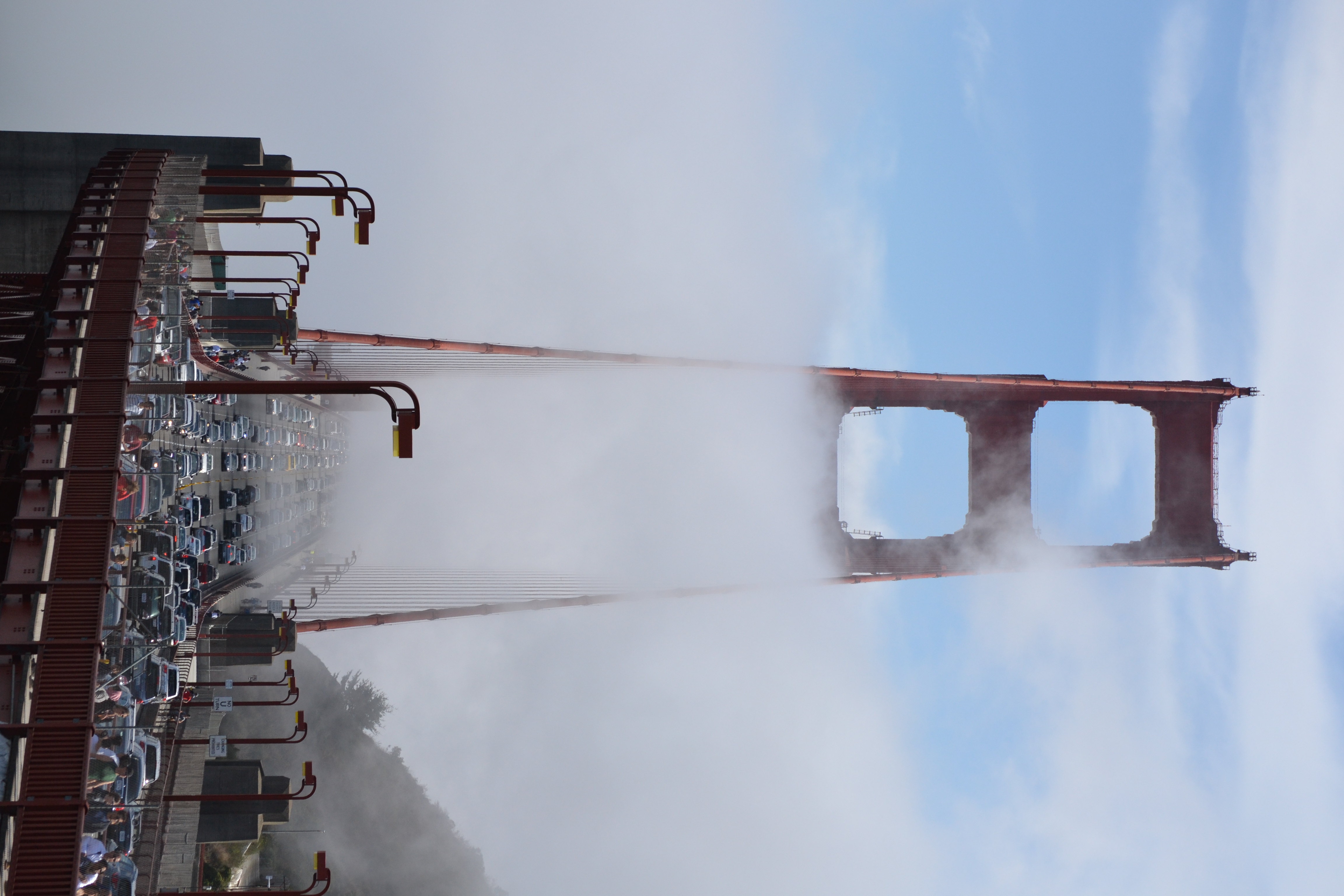
Frank Schulenburg / CC BY-SA 3.0
I saw the scaffold drop and the net just tore away like it was paper. Those men never had a chance.
— Chris Hansen, surviving worker
The Golden Gate Bridge, a symbol of San Francisco and California, was completed in 1937 under the leadership of chief engineer Joseph Strauss and consulting engineer O.H. Ammann.
What happened: On April 21, 1937, during the construction of the Golden Gate Bridge, a work platform collapsed, sending ten men plummeting into the cold waters below. Among the survivors was a young rigger named Slim Lambert, who recounted the harrowing experience in a famous 1954 film. The incident, known as the day the safety net failed, was a devastating blow to the bridge’s celebrated safety record and remains the deadliest single incident in the bridge’s construction history. Wikipedia provides detailed accounts of the bridge’s construction and the safety measures in place at the time.
Why it matters: This tragedy profoundly shaped future safety regulations for high-steel construction in America. The incident highlighted the need for improved safety measures and led to stricter regulations and better practices in the construction industry. The Golden Gate Bridge, Highway and Transportation District’s Construction History offers insights into the safety measures implemented after the accident.
Further reading:
The accident of 1937 serves as a stark reminder of the human cost of engineering marvels and the importance of prioritizing safety in construction.
Why This Mattered
The tragedy shattered the bridge's celebrated safety record — until that day, only one worker had died. The accident remains the deadliest single incident in the bridge's construction and profoundly shaped future safety regulations for high-steel construction in America.