The Bridge's First Dark Moment
Just ten weeks after opening, a veteran's leap began the Golden Gate Bridge's longest and most painful legacy.

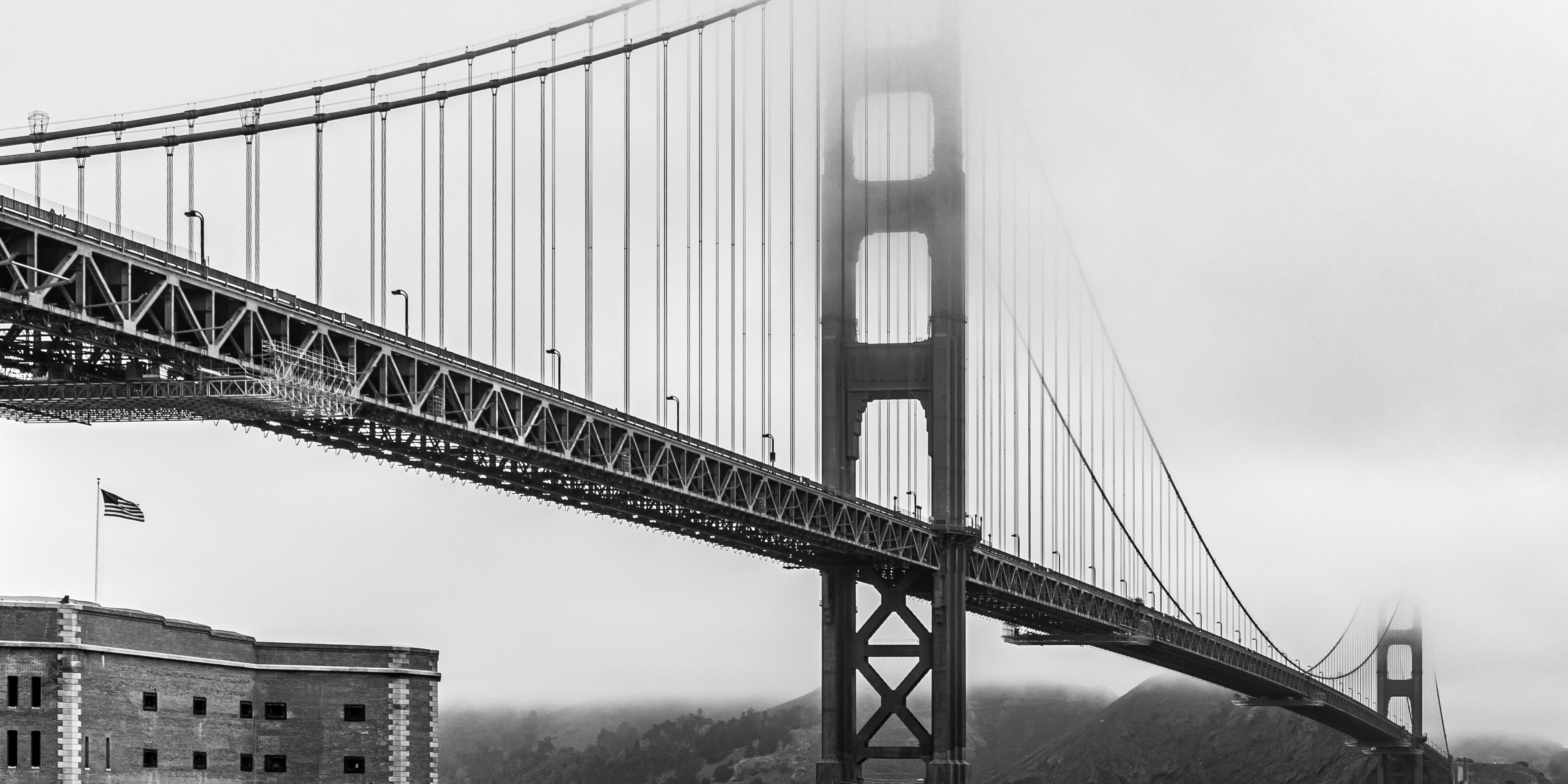
Almonroth / CC BY-SA 3.0
This is where I get off. I'm going to jump.
— Harold Wobber
The Bridge’s First Dark Moment (1937)
On August 7, 1937, Harold Wobber became the first person to jump to his death from the newly opened Golden Gate Bridge, setting a tragic precedent that would continue for nearly eight decades.
What happened: Harold Wobber’s suicide on the Golden Gate Bridge marked the beginning of a long-standing issue that would see the bridge become one of the world’s most notorious suicide sites. Between 1937 and 2026, an estimated 2,000 people took their lives by jumping from the bridge, with most dying instantly from internal injuries upon impact with the water. 1
Why it matters: Wobber’s death initiated a decades-long debate over the necessity of installing a physical barrier to prevent suicides. This debate was finally resolved in 2014 when the board approved the installation of a steel net, which was completed in January 2024. The barrier stretches 20 feet out from the walkway and has been designed to prevent suicides while allowing the bridge’s aesthetic beauty to remain intact.
Further reading:
Why This Mattered
Harold Wobber's death on August 7, 1937 was the first recorded suicide from the Golden Gate Bridge, beginning a tragic pattern that would make the span one of the most notorious suicide sites in the world. His death foreshadowed decades of debate over whether a physical barrier should be installed — a debate not resolved until 2014, when the board finally approved a steel net.