The Foghorns That Guide the Lost
The Golden Gate Bridge's iconic mid-span foghorns became the sonic signature of San Francisco, blasting through fog that blankets the strait over 300 days a year.
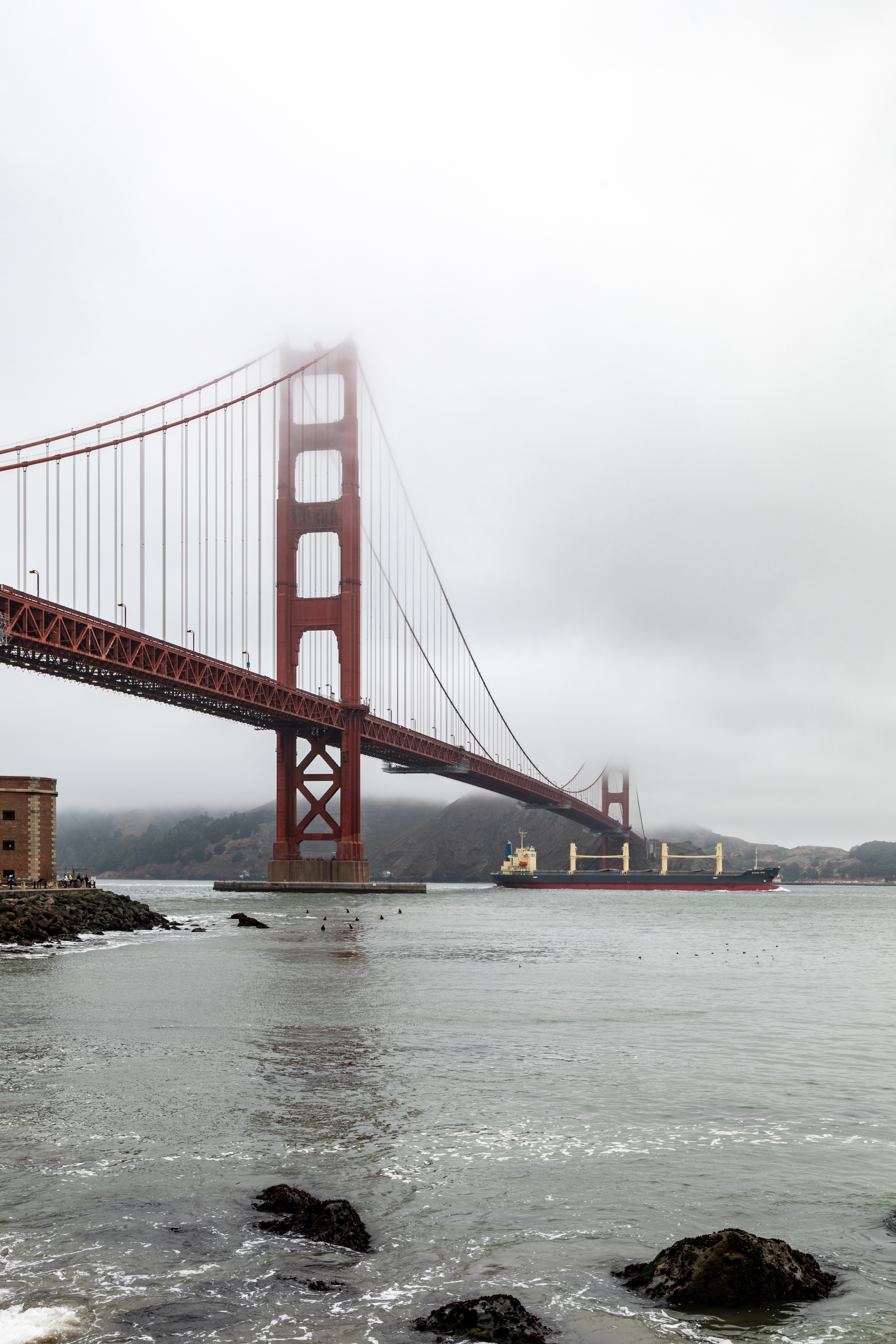
Dietmar Rabich / CC BY-SA 4.0
The fog comes on little cat feet. It sits looking over harbor and city on silent haunches and then moves on.
— Carl Sandburg
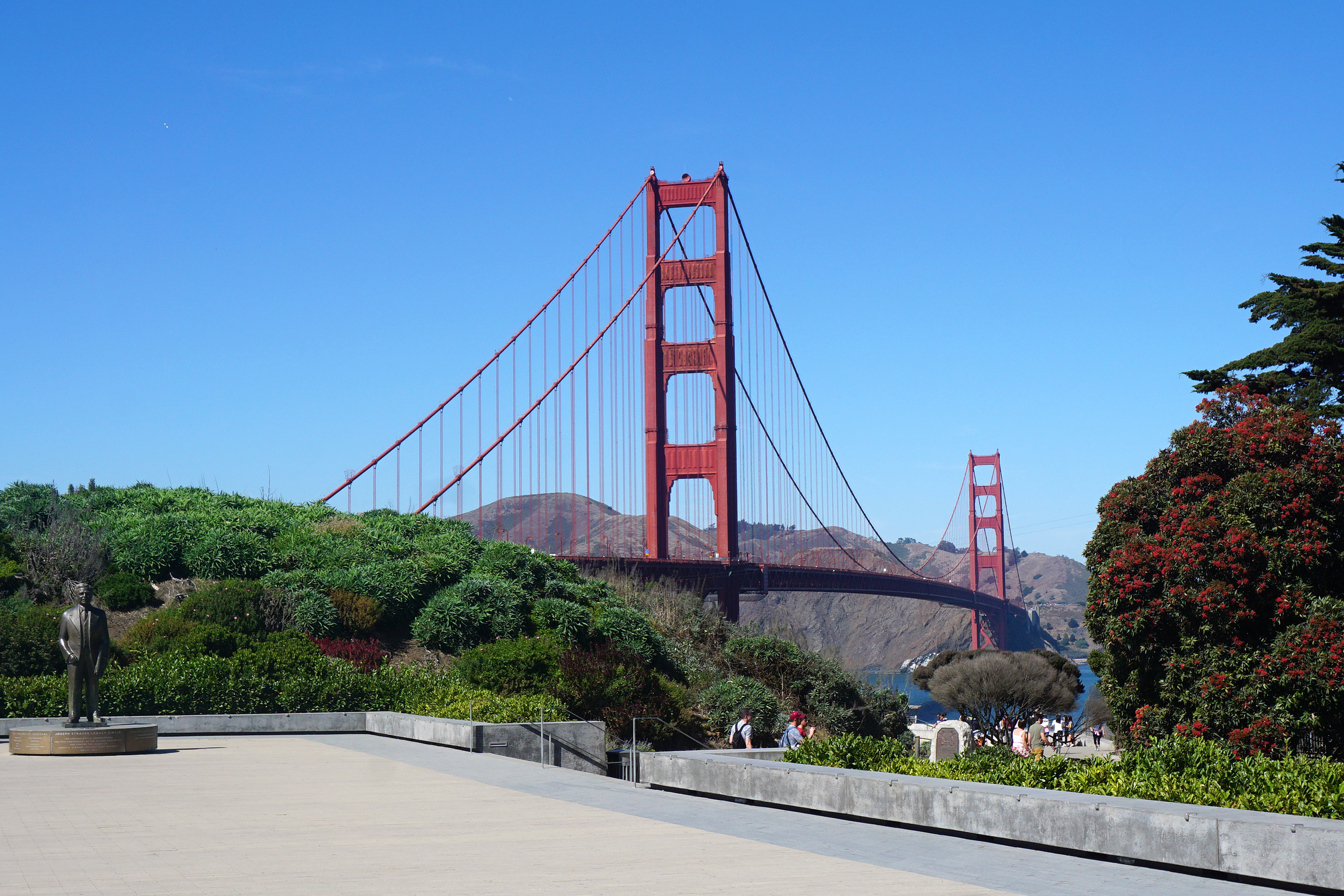
In 1937, the Golden Gate Bridge, a monumental engineering feat, was completed and its foghorn system was installed, becoming an iconic sound that guided ships through the foggy strait.
What happened: The idea of a fixed link between San Francisco and Marin had gained increasing popularity during the late 19th century, but it was not until the early 20th century that such a link became feasible. Joseph Strauss served as chief engineer for the Golden Gate Bridge, overseeing its construction from 1933 to 1937. In 1937, the bridge’s foghorn system was installed, a critical safety feature designed by Joseph Strauss and Russell Cone. The foghorns, mounted mid-span on the bridge pylons, could be heard for miles and were essential for maritime safety in the fog-prone strait. Wikipedia
Why it matters: The deep, mournful tone of the foghorns became as much a symbol of San Francisco as the bridge itself, featured in countless films and recordings. This system helped shape the city’s atmospheric identity and ensured the safety of countless ships navigating the treacherous waters of the Golden Gate. San Francisco fog - Wikipedia
Further reading:
Why This Mattered
The Golden Gate Bridge's foghorn system became one of the most recognizable sounds in the world, essential for maritime safety in a strait notorious for dense fog. The horns, mounted mid-span on the bridge pylons, could be heard for miles and became as much a symbol of San Francisco as the bridge itself. Their deep, mournful tone has been featured in countless films and recordings, shaping the city's atmospheric identity.