The Mighty Task That Killed Its Builder
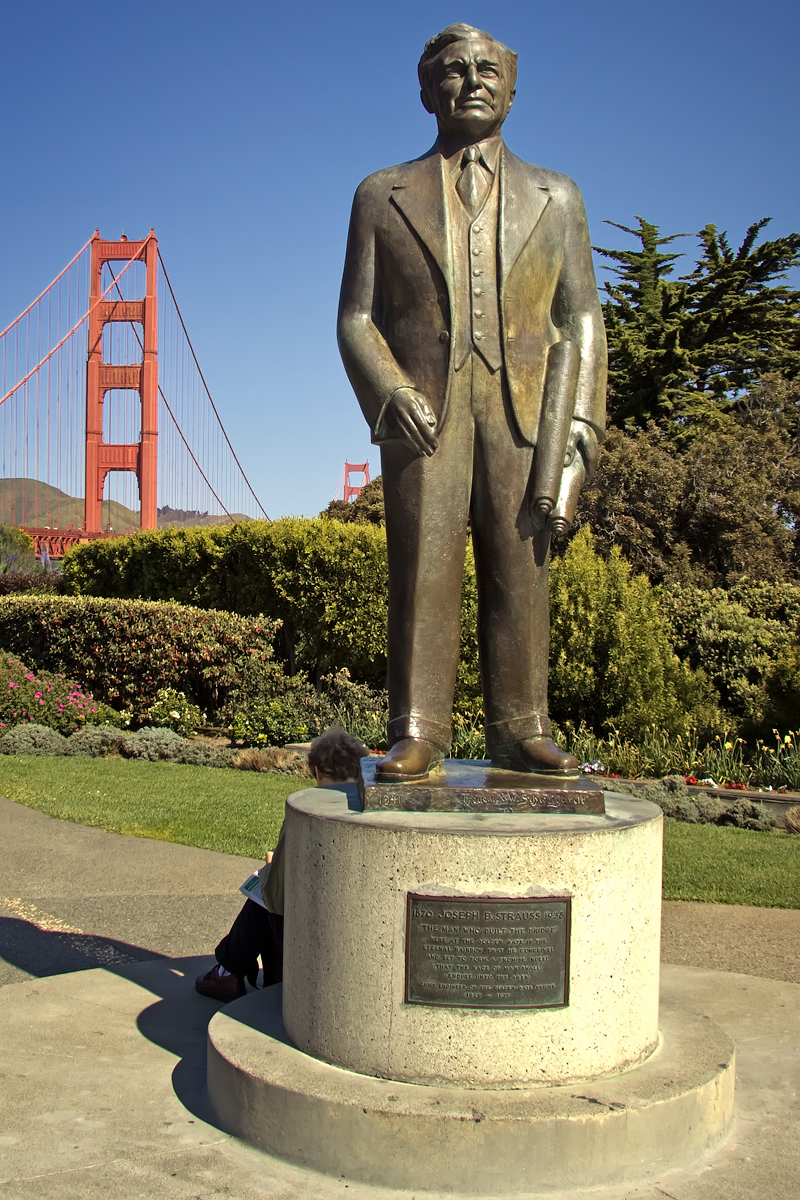
Joseph Strauss died just one year after his bridge opened, broken by the very fight that made him famous.
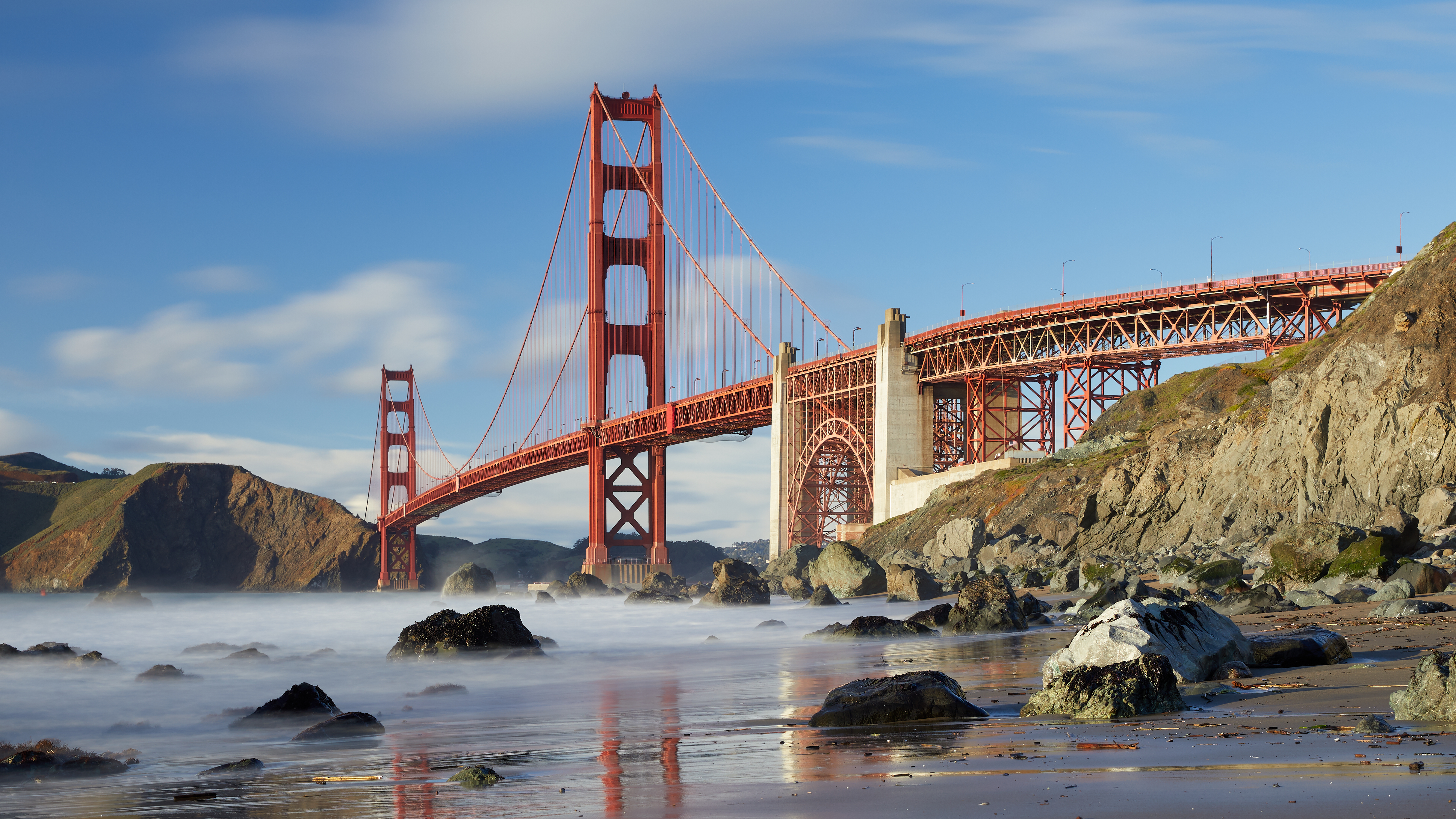
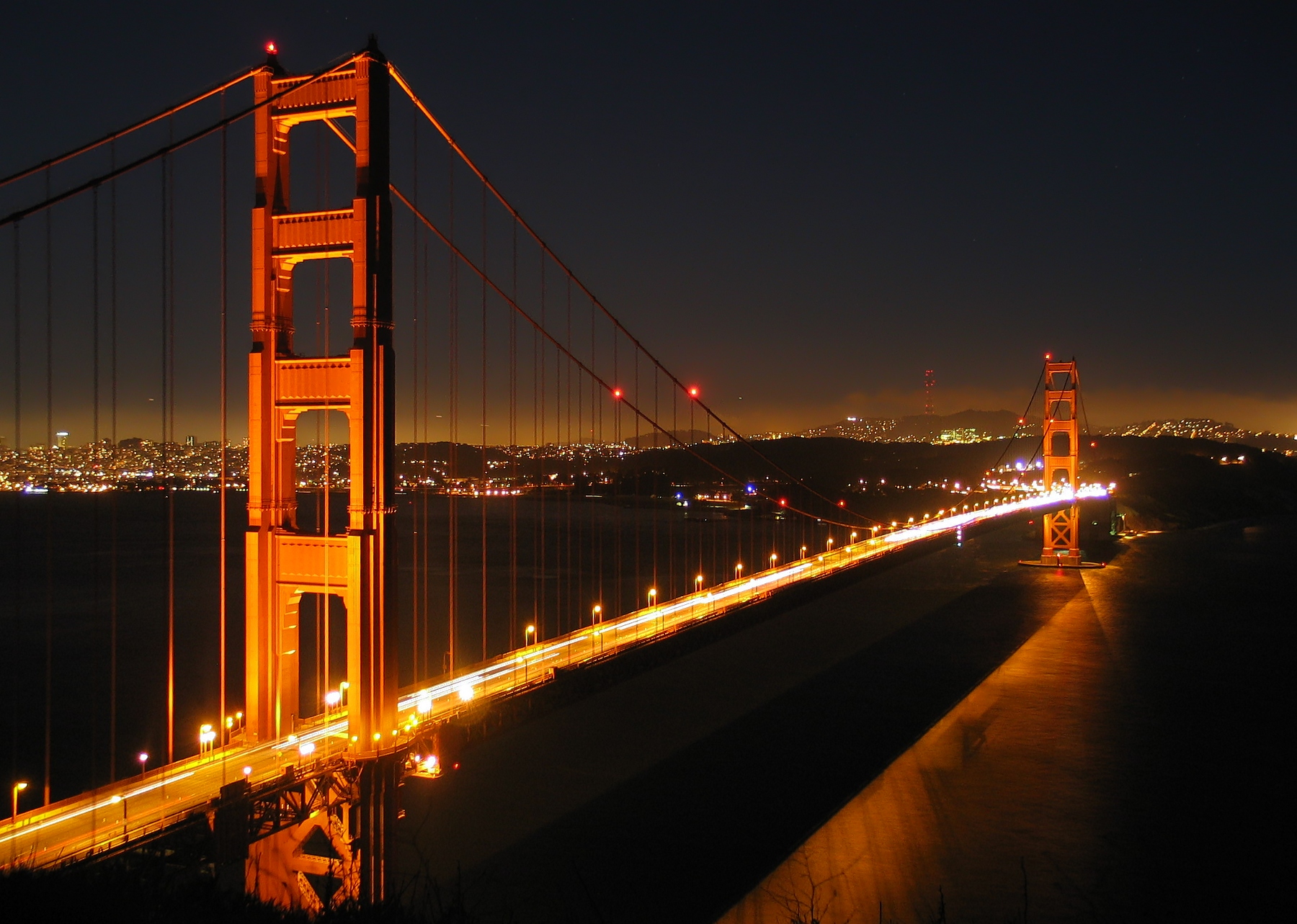
Steven Pavlov / CC BY-SA 3.0
At last the mighty task is done; Resplendent in the western sun, The Bridge looms mountain high.
— Joseph Strauss
The construction of the Golden Gate Bridge was a monumental task that took over a decade to complete, and it claimed the life of its chief engineer, Joseph Strauss, who died just a year after the bridge’s opening in 1937.
What happened: Joseph Strauss, the chief engineer of the Golden Gate Bridge, dedicated over a decade to the project, battling political and engineering obstacles along the way. His relentless efforts and the toll of the project’s stress led to his death at the age of 68 in 1938. The bridge’s design was also significantly influenced by Irving Morrow, who was responsible for its distinctive Art Deco appearance, and Charles Ellis, who was the bridge’s chief engineer until 1931. Strauss left behind a poignant poem that became the bridge’s unofficial epitaph, symbolizing the personal sacrifice involved in the bridge’s creation.
Why it matters: Strauss’s death underscored the immense personal and professional dedication required to bring the Golden Gate Bridge to fruition. It cemented the bridge’s legacy as a symbol of human perseverance and engineering excellence, making it one of the most iconic structures in the world. The contributions of Irving Morrow and Charles Ellis further highlight the collaborative nature of the project and the diverse talents that came together to create this enduring landmark.
Further reading:
The narrative of the bridge’s construction and Strauss’s sacrifice continues to inspire and educate people about the challenges and triumphs of large-scale engineering projects.
Why This Mattered
Strauss spent over a decade battling politicians, engineers, and skeptics to build the bridge, and the toll on his health was devastating. He died at 68, barely a year after opening day, leaving behind a poem that became the bridge's unofficial epitaph. His death cemented the narrative of the Golden Gate Bridge as a monument born of personal sacrifice.