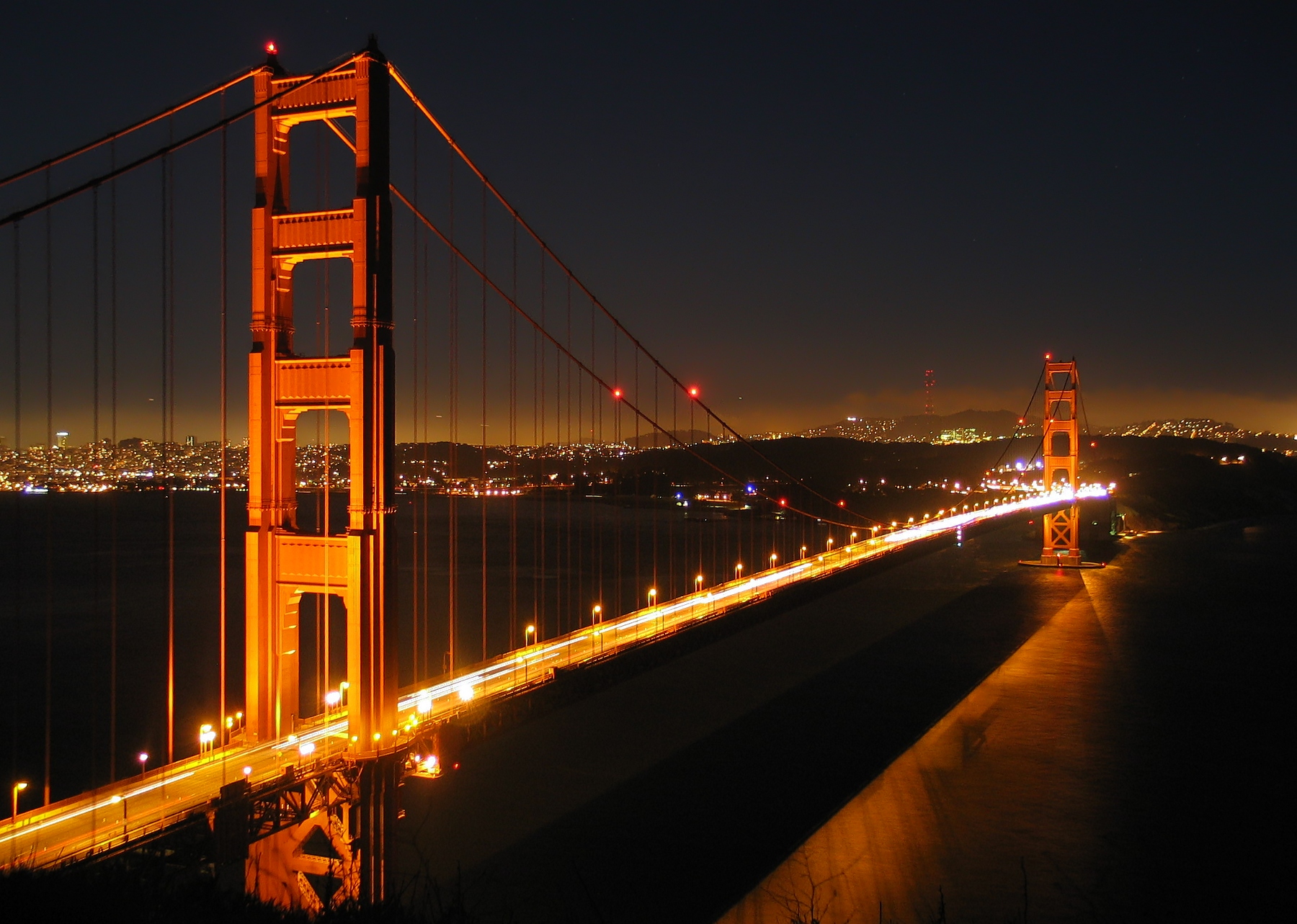
The Night the Bridge Went Dark
Hours after Pearl Harbor, the Golden Gate Bridge's lights were extinguished for the first time — and would not return for years.
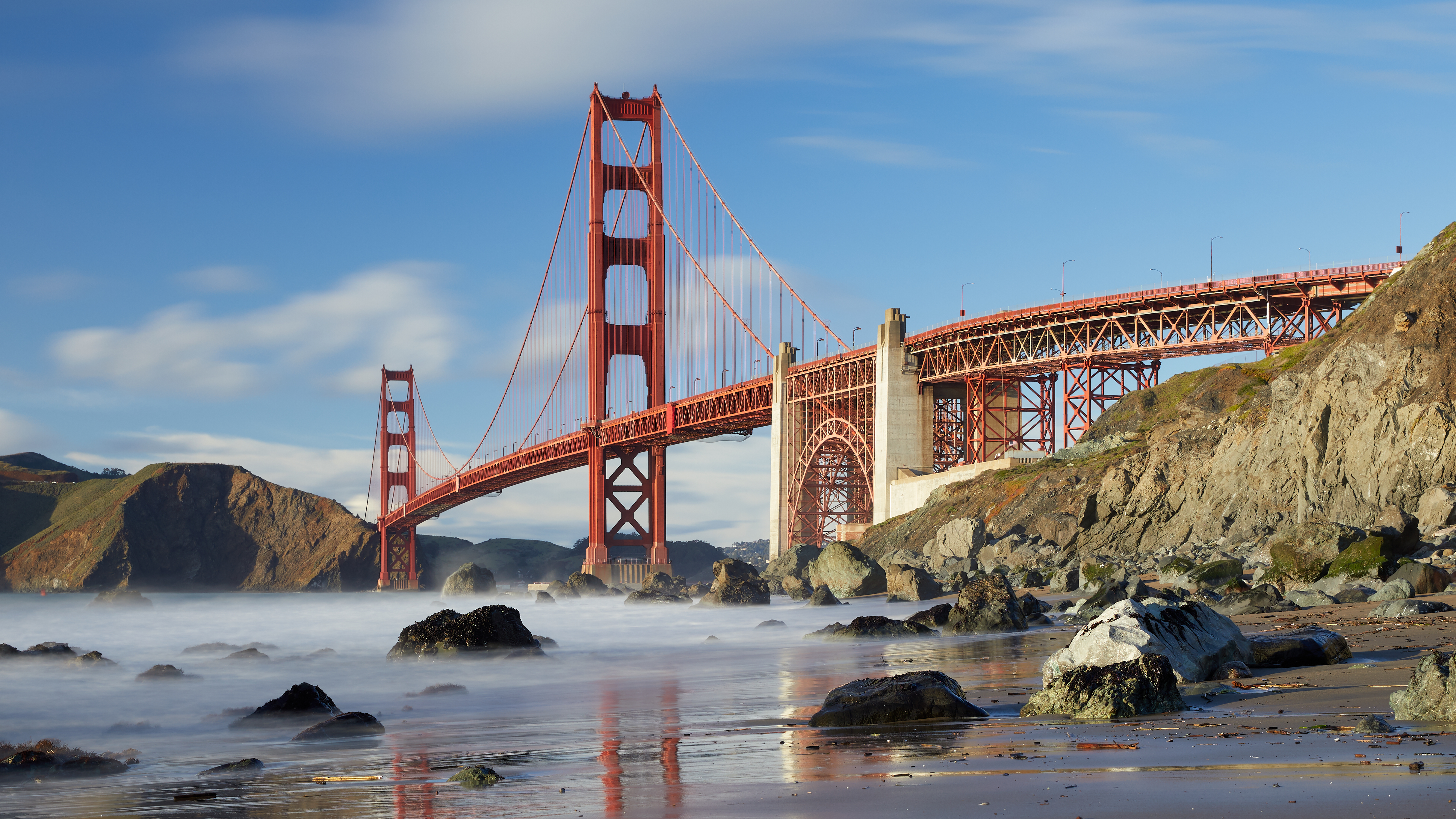
Brocken Inaglory / Public domain
I am determined that if possible we will not have a repetition of Pearl Harbor.
— General John L. DeWitt
The Night the Bridge Went Dark
On the night of December 7, 1941, the Golden Gate Bridge in San Francisco was plunged into darkness, marking a significant shift in the cultural and symbolic landscape of the West Coast.
What happened: On the evening of December 7, 1941, the Golden Gate Bridge was turned off as a precautionary measure following the attack on Pearl Harbor. This sudden blackout was ordered by San Francisco’s Police Chief, John L. DeWitt, to prevent the bridge from being a beacon for potential enemy attacks. For the duration of World War II, the bridge remained dark each night, a stark contrast to its usual illuminated state. San Francisco in World War II
Why it matters: The wartime blackout of the Golden Gate Bridge symbolized the end of the West Coast’s sense of security and innocence. It transformed the bridge from a symbol of progress and connectivity into a haunting reminder of the vulnerability of the Pacific coast. This nightly ritual of darkness became a poignant and enduring image of the war’s impact on civilian life.
Further reading:
Why This Mattered
The wartime blackout of the Golden Gate Bridge marked the sudden end of West Coast innocence after Pearl Harbor. For years, drivers crossed the span in near-total darkness using only parking lights, a nightly ritual that turned the bridge from a gleaming symbol of progress into a ghostly reminder that the Pacific was no longer a safe horizon but an active theater of war.