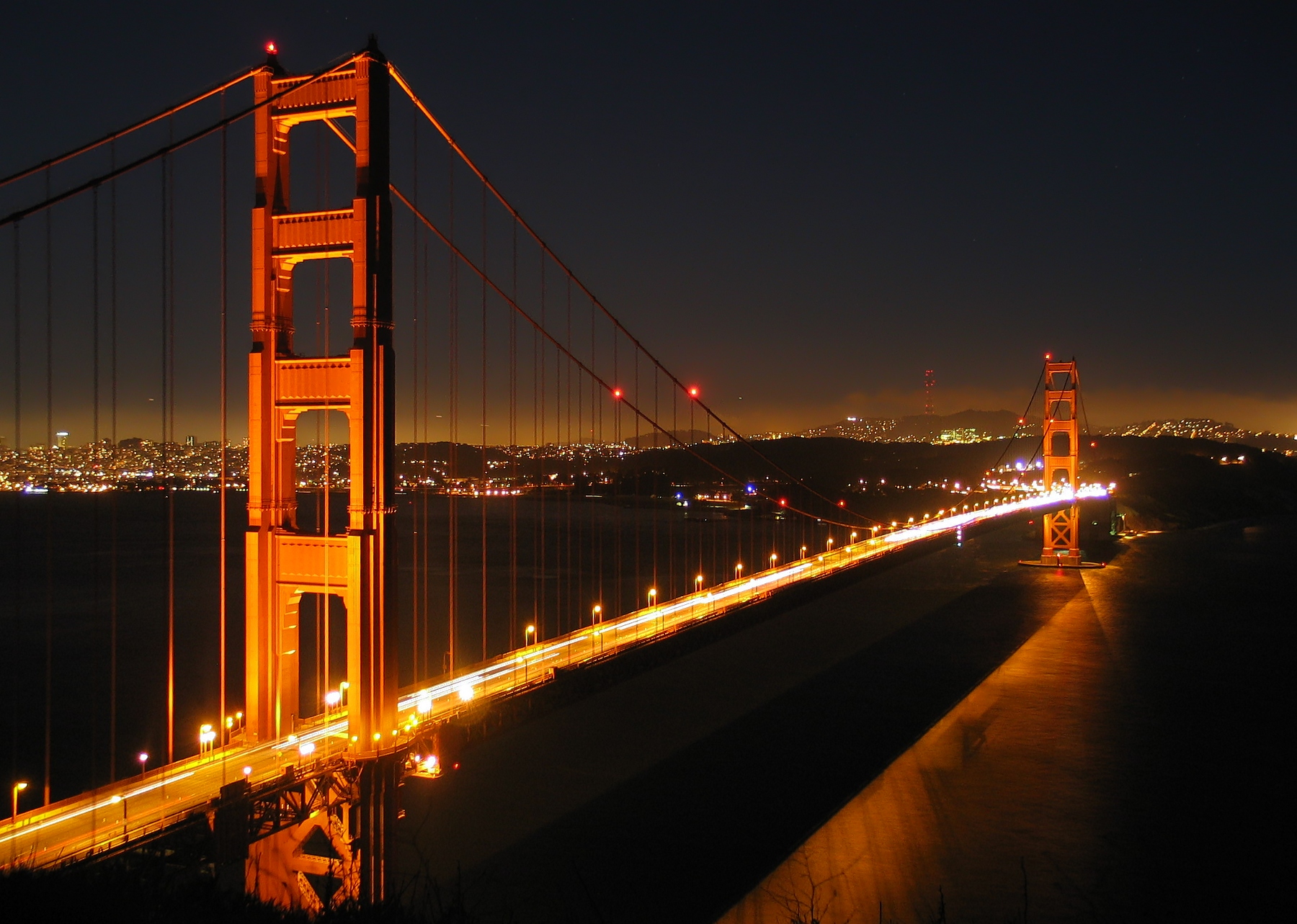
The Steel Curtain Beneath the Waves
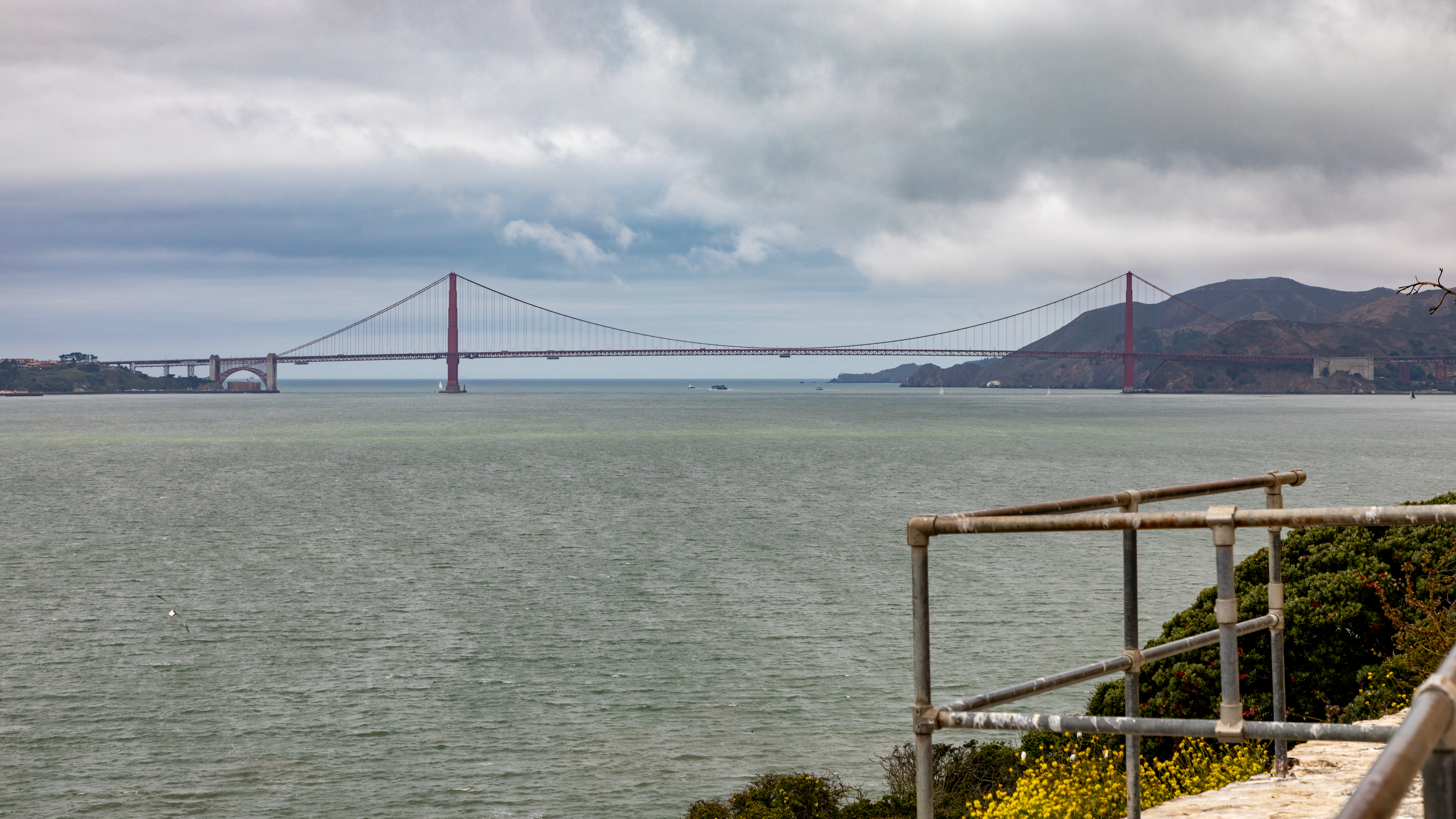
After Pearl Harbor, the Navy stretched a massive anti-submarine net across the Golden Gate, turning the bridge into the gateway of a fortress.
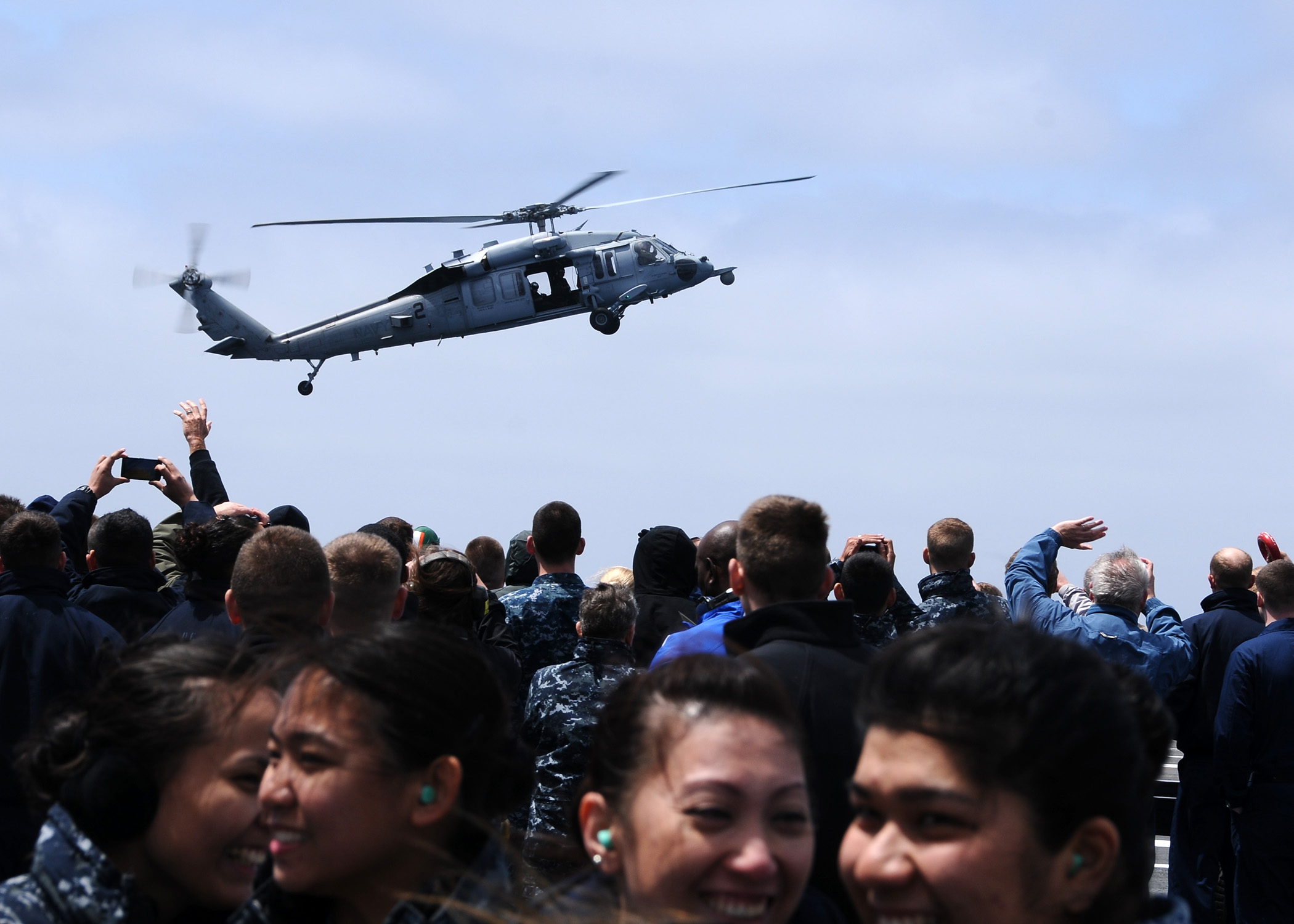
Official Navy Page from United States of America Mass Communication Specialist Seaman Chris Bartlett/U.S. Navy / Public domain
The Golden Gate is the front door to the Pacific, and we intend to keep it locked.
— Admiral John W. Greenslade
The Steel Curtain Beneath the Waves (1942)
In 1942, the Golden Gate strait was transformed into a military checkpoint with the deployment of a massive anti-submarine net, a stark shift from its status as a symbol of openness and connection.
What happened: In 1942, Admiral John W. Greenslade and General John L. DeWitt oversaw the installation of an anti-submarine net across the Golden Gate strait as part of the Harbor Defenses of San Francisco. This net was one of the largest harbor defenses ever deployed in the Pacific, designed to protect San Francisco Bay from submarine threats during World War II. Anti-submarine net – Golden Gate
Why it matters: The installation of the net highlighted the rapid transformation of the Golden Gate Bridge and strait from a symbol of freedom and connection to a military barrier, reflecting the broader tension between access and control that would continue to influence the bridge’s significance throughout its history. This event underscored the vulnerability of major ports and the lengths to which military strategists would go to protect them.
Further reading:
Why This Mattered
The Golden Gate anti-submarine net was one of the largest harbor defenses ever deployed in the Pacific, transforming the iconic bridge and strait into a military checkpoint. It demonstrated how quickly a symbol of openness and connection could become a barrier of war, foreshadowing the bridge's recurring tension between access and control.