The Day the Wind Won
On December 1, 1951, the Golden Gate Bridge closed to all traffic for the first time in its history when gusts reached 69 mph, forcing engineers to confront the limits of its original design.
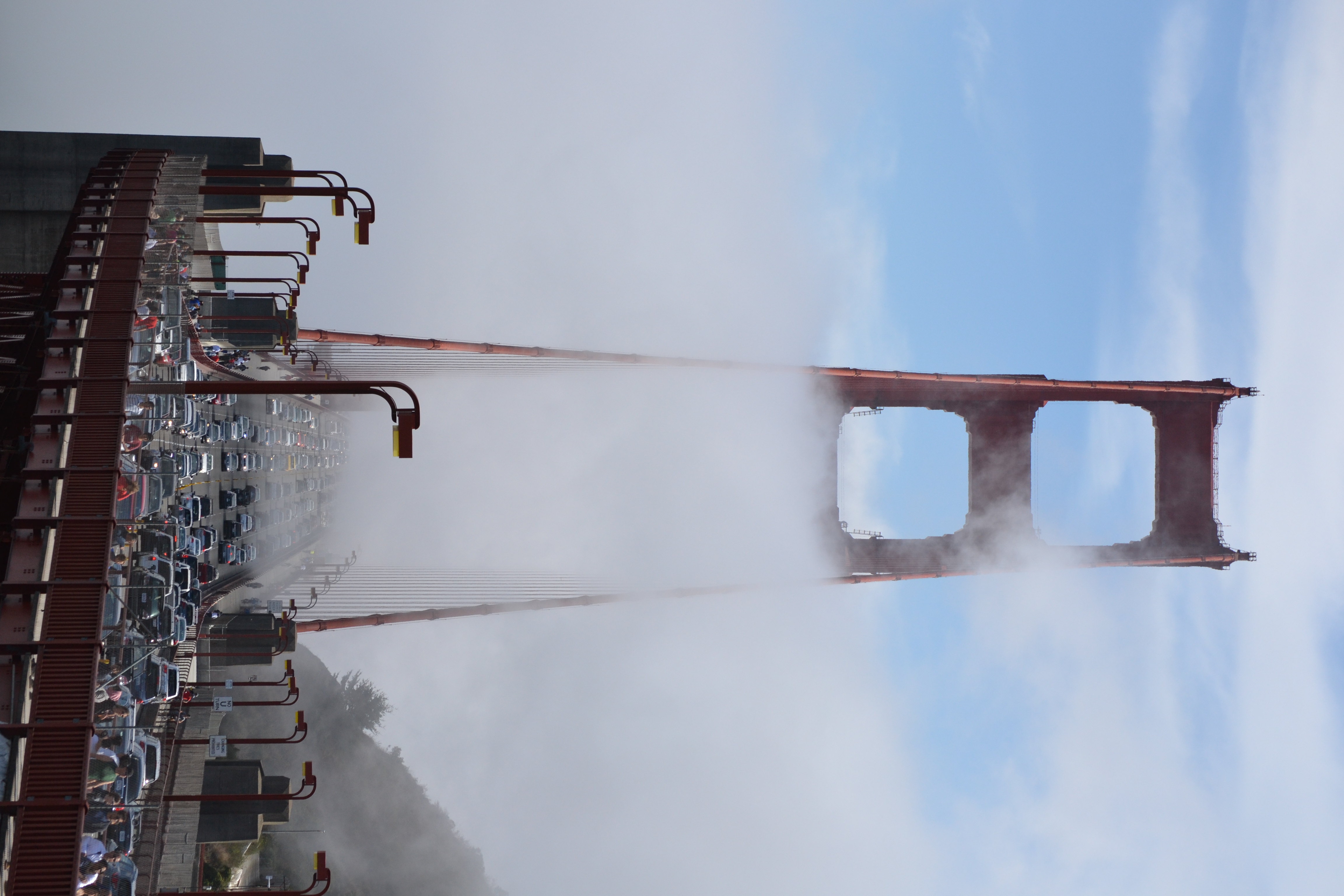
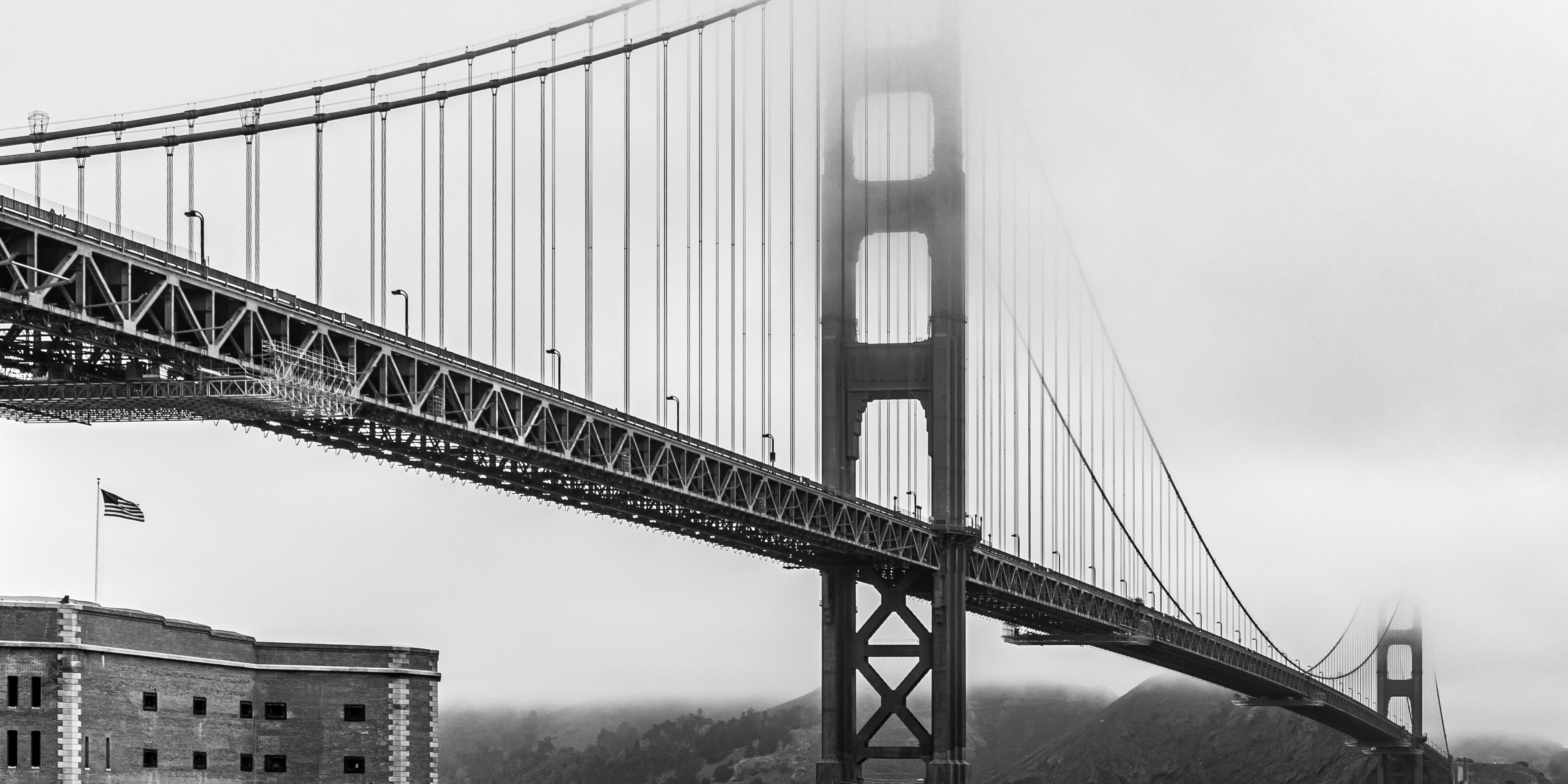
Sebring12Hrs / CC BY-SA 4.0
The bridge was swaying so violently that motorists abandoned their cars in the middle of the roadway and fled on foot.
— San Francisco Chronicle report, December 2, 1951
The Day the Wind Won: The 1951 Closure of the Golden Gate Bridge
On May 24, 1951, the Golden Gate Bridge was forced to close for the first and only time in its history due to extreme wind conditions, marking a pivotal moment in bridge engineering.
What happened: On that day, the Golden Gate Bridge was shut down after strong winds caused it to sway excessively, raising concerns about its structural integrity. The incident, which involved key figures such as Clifford Paine and James E. Ricketts, highlighted the vulnerability of the bridge’s stiffening truss design to lateral wind forces. Golden Gate Bridge Highway and Transportation District History details the event and its aftermath.
Why it matters: This closure shattered the assumption that the bridge could withstand any wind condition, leading to urgent aerodynamic studies and informing future suspension bridge engineering worldwide. The event underscored the importance of continuous safety assessments and design improvements in civil engineering.
Further reading:
Why This Mattered
The closure shattered the assumption that the bridge could withstand any wind condition and launched urgent aerodynamic studies. Engineers discovered the stiffening truss design that had survived since 1937 was more vulnerable to lateral wind forces than originally calculated, ultimately informing future suspension bridge engineering worldwide.