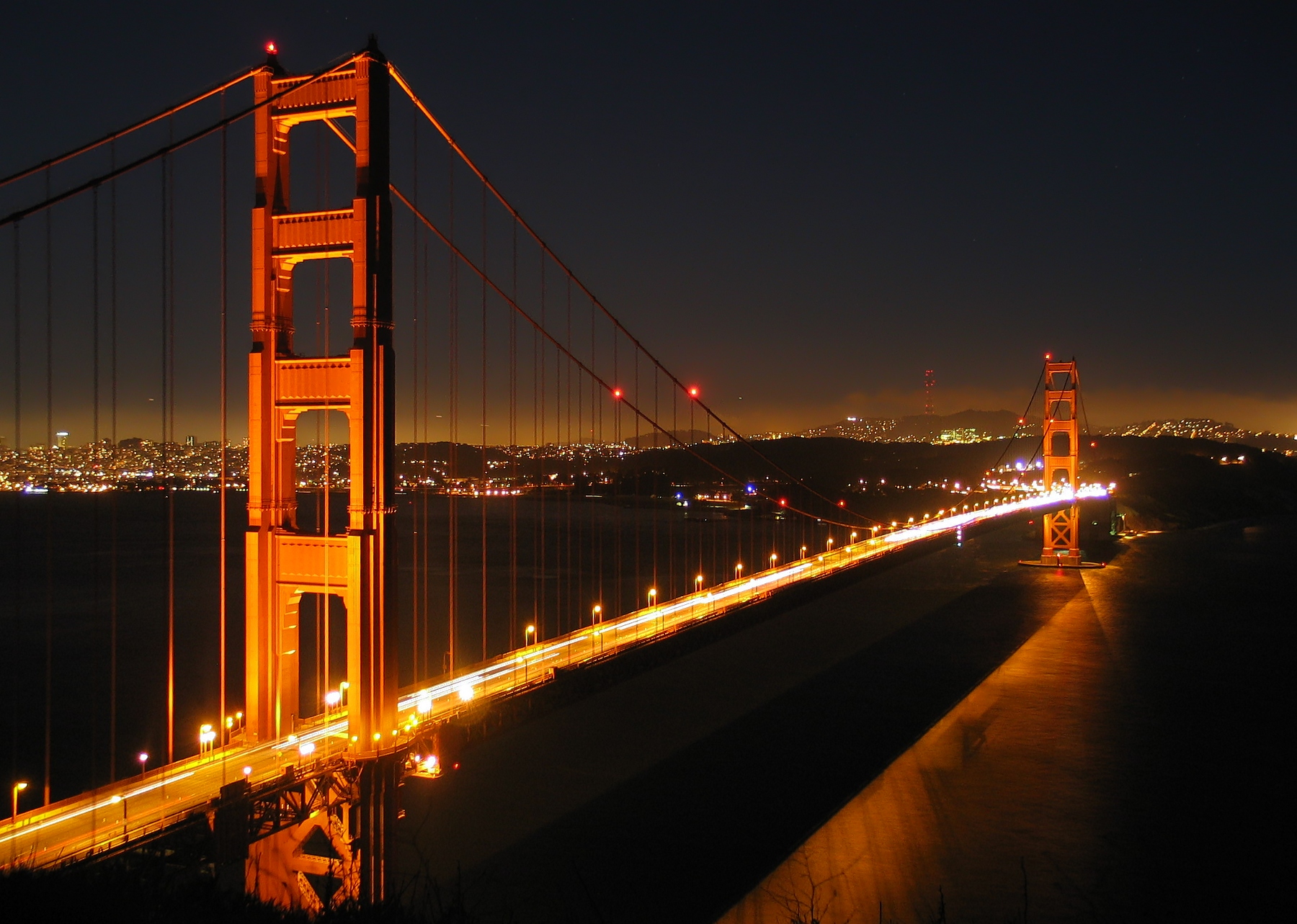
The Bridge That Starred in Vertigo
Alfred Hitchcock filmed his masterpiece beneath the Golden Gate, forever linking the bridge to cinematic obsession and dread.
Alfred Hitchcock / Public domain
I made Vertigo because I wanted to present a man's dreamlike obsession with the past. The bridge was essential — it is the most beautiful structure for a beautiful death.
— Alfred Hitchcock
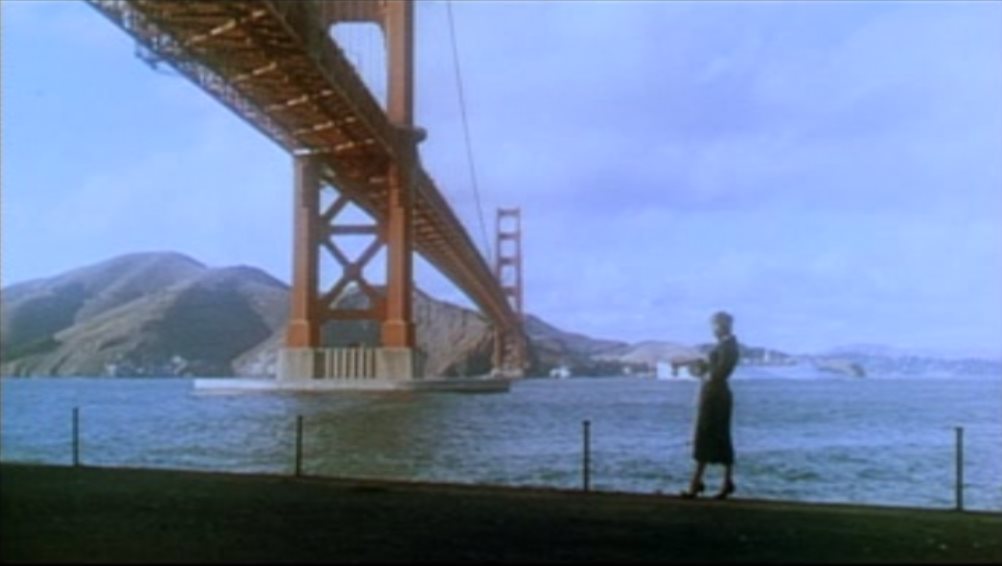
The Bridge That Starred in Vertigo (1958)
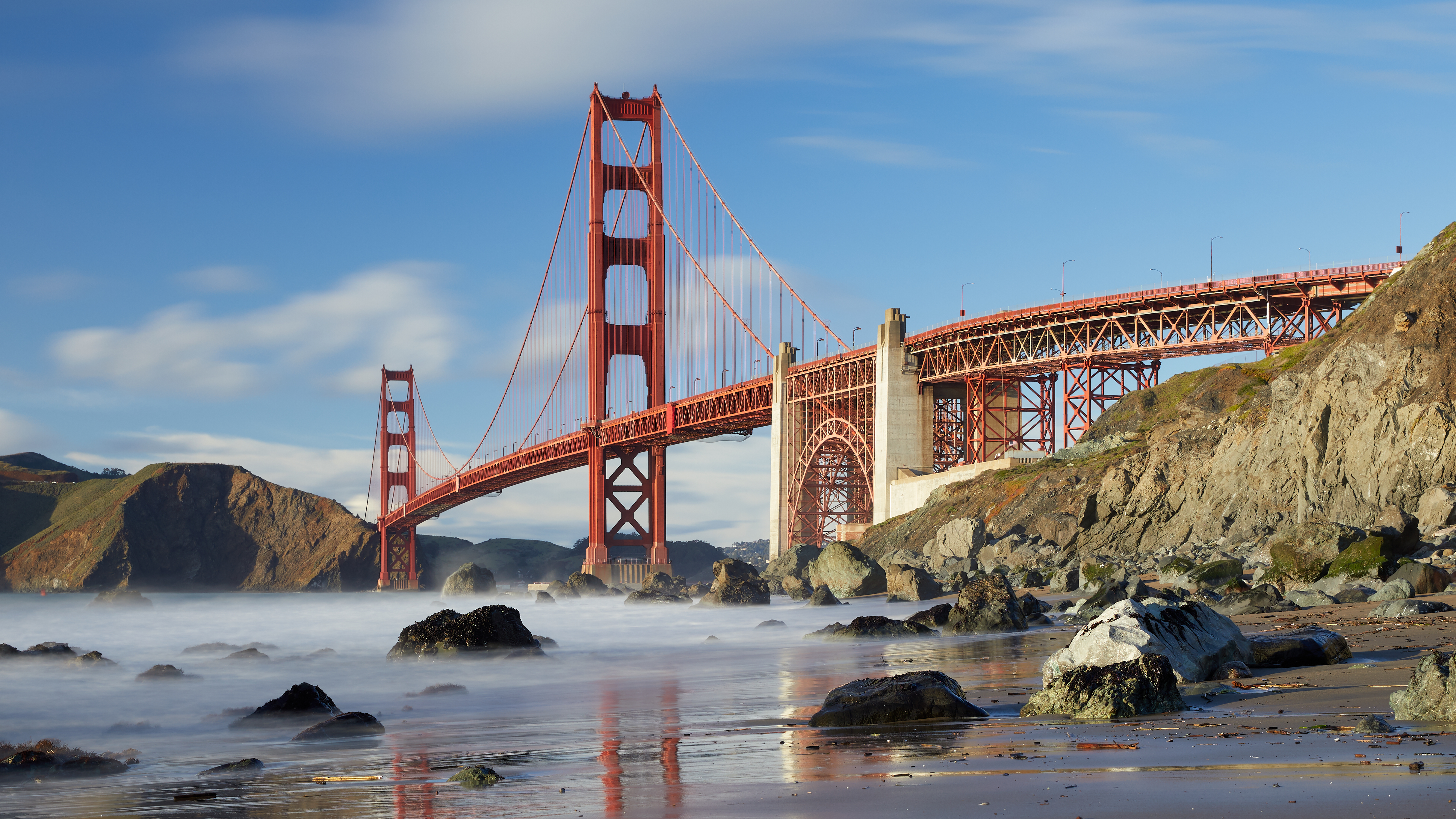
In 1958, Alfred Hitchcock’s psychological thriller “Vertigo” starred the Golden Gate Bridge in a pivotal scene that transformed the iconic structure into a symbol of psychological obsession and beauty intertwined with death.
What happened: In 1958, director Alfred Hitchcock filmed a haunting scene for his film “Vertigo” at Fort Point, the arched structure beneath the Golden Gate Bridge. The scene, featuring James Stewart and Kim Novak, depicts the character Madeleine’s apparent suicide by plunging into the bay from the bridge. This pivotal moment in cinema history used the bridge’s dramatic setting to enhance the film’s themes of obsession and beauty.
Why it matters: The scene in “Vertigo” elevated the Golden Gate Bridge from an engineering marvel to a symbol of psychological depth and narrative power. Since then, the bridge has appeared in over 100 films, but none have matched the emotional and symbolic resonance of Hitchcock’s portrayal. The bridge’s enduring presence in popular culture is a testament to its visual impact and the film’s lasting influence.
Further reading:
Why This Mattered
Hitchcock's 1958 film Vertigo used Fort Point beneath the Golden Gate Bridge for one of cinema's most haunting scenes — Madeleine's plunge into the bay. The film transformed the bridge from an engineering marvel into a symbol of psychological obsession, and it has appeared in over 100 films since, but none matched Vertigo's power in fusing the bridge with themes of beauty and death.