The Train That Never Crossed
Marin County pulled out of BART, killing the plan to run trains across the Golden Gate Bridge and shaping Bay Area transit for generations.

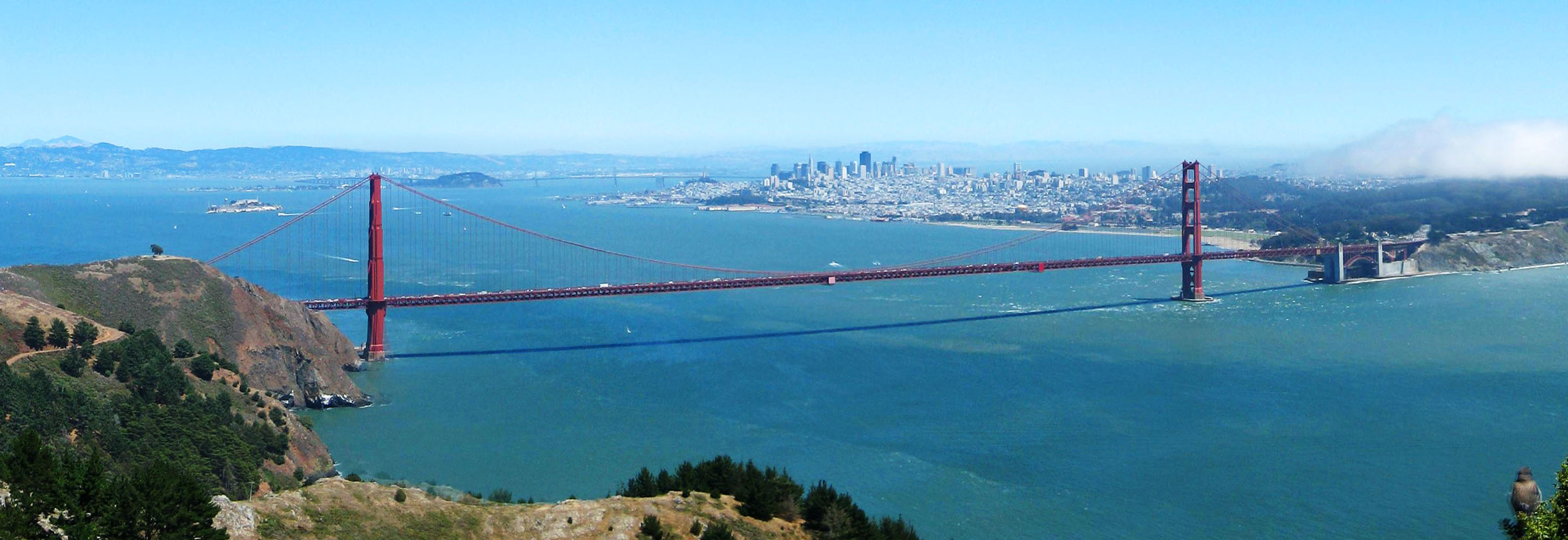
Dllu / CC BY-SA 4.0
The counties north of the Golden Gate had the chance to join a regional rail system and chose instead to remain dependent on the automobile and the bridge.
— Bay Area transportation historian Louise Nelson Dyble
The Train That Never Crossed: The 1962 Decision That Shaped the Golden Gate Bridge
In 1962, a pivotal decision was made that shaped the future of transportation in the San Francisco Bay Area, locking the Golden Gate Bridge into its role as an automobile-only corridor.
What happened: In 1962, the Golden Gate Bridge was originally designed to include a lower rail deck for trains to cross into Marin County. However, when Marin and Sonoma counties withdrew from the BART district before the 1962 bond vote, the plans for a rail link across the bridge were scrapped. This decision was influenced by key figures such as Marvin Lewis and B.W. Booker, who were involved in the political and funding aspects of the project. BART was formed in 1957 and began operations in stages from 1972 to 1974, but without the rail connection to Marin County.
Why it matters: This decision has had lasting implications for the North Bay, which continues to struggle with congestion and lacks a rail link to San Francisco. The debate over the missed opportunity for a rail connection remains relevant today, as the region grapples with transportation challenges and seeks solutions to reduce traffic and improve connectivity.
Further reading:
Why This Mattered
The original Golden Gate Bridge design included provisions for a lower rail deck, and early BART plans envisioned trains crossing the span into Marin County. When Marin and Sonoma counties withdrew from the BART district before the 1962 bond vote, the bridge was locked into its role as an automobile-only corridor. The decision is still debated today as the North Bay struggles with congestion and has no rail link to San Francisco.