The Return of the Ferries
Thirty-three years after the bridge killed ferry service, crushing traffic congestion forced the Golden Gate corridor to bring the boats back.
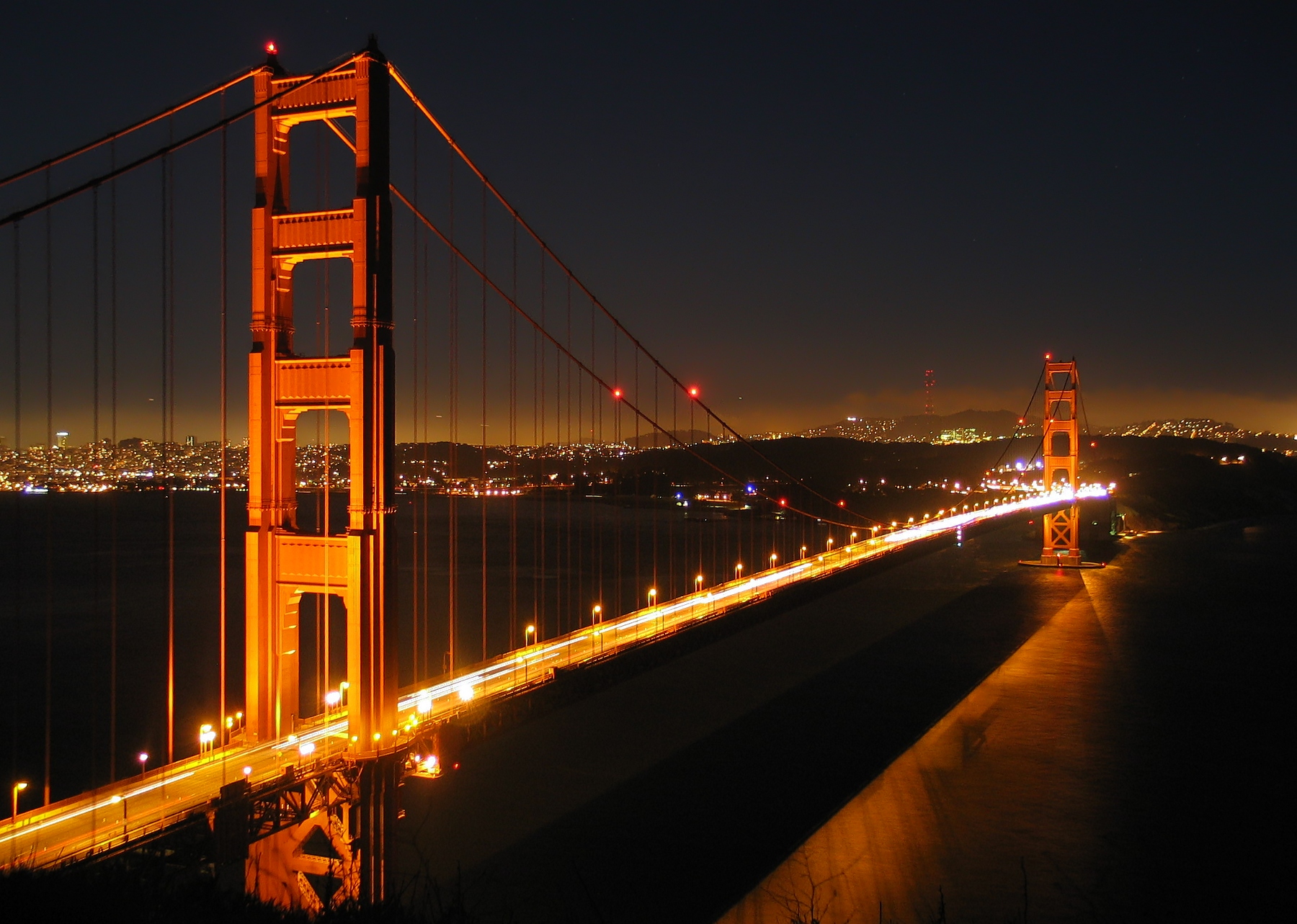
Golden Gate Bridge, Highway and Transportation District / Public domain
The bridge alone cannot solve the transportation problems of the Golden Gate corridor.
— Golden Gate Bridge Highway and Transportation District, 1969 report
In 1970, the Golden Gate Bridge, which had once rendered ferry services obsolete, saw a dramatic reversal of fortune when it launched its own ferry service, the Golden Gate Ferry, to alleviate traffic congestion.
What happened: By the late 1960s, the Golden Gate Bridge was experiencing severe traffic congestion during commute hours, far exceeding its capacity. This prompted the Golden Gate Bridge, Highway and Transportation District to reinvent itself as a comprehensive transportation authority. Under the leadership of key figures like Dale W. Luehring, the District initiated the Golden Gate Ferry service, which began operations in 1970. This move was a significant turnaround from the bridge’s original purpose, as it had initially been built to replace ferry services and put the Southern Pacific–Golden Gate Ferries out of business within a year of its 1937 opening. Golden Gate Ferry
Why it matters: The reintroduction of ferry services by the Golden Gate Bridge District marked a pivotal moment in the region’s transportation history. It demonstrated the adaptability of infrastructure to changing needs and the importance of multimodal transportation solutions. Today, the Golden Gate Ferry continues to play a crucial role in managing traffic and providing commuters with a reliable alternative to driving across the bridge. Golden Gate Bridge, Highway and Transportation District
Further reading:
Why This Mattered
The Golden Gate Bridge was built to replace the ferries, and its 1937 opening drove the Southern Pacific–Golden Gate Ferries out of business within a year. But by the late 1960s, the bridge was choking on its own success — commute-hour traffic far exceeded capacity. The Bridge District reinvented itself as a transportation authority and launched Golden Gate Ferry service, creating one of history's great infrastructure ironies: the bridge that killed the ferries had to resurrect them.