The Park That Saved the Headlands
Congress created the Golden Gate National Recreation Area, ensuring the bridge's dramatic landscape would never be developed.
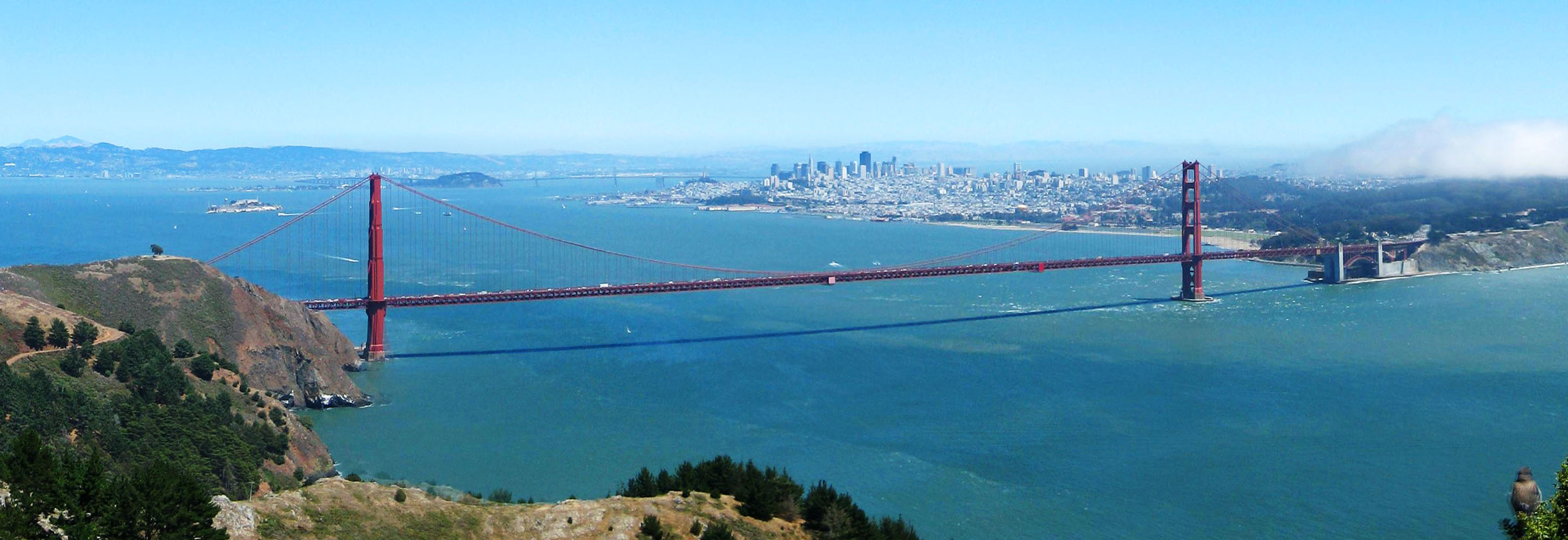
Jbindy2 at English Wikipedia Later version was touched up by Roguegeek (12 March 2008). / Public domain
If we can't bring the people to the parks, we should bring the parks to the people.
— Phillip Burton
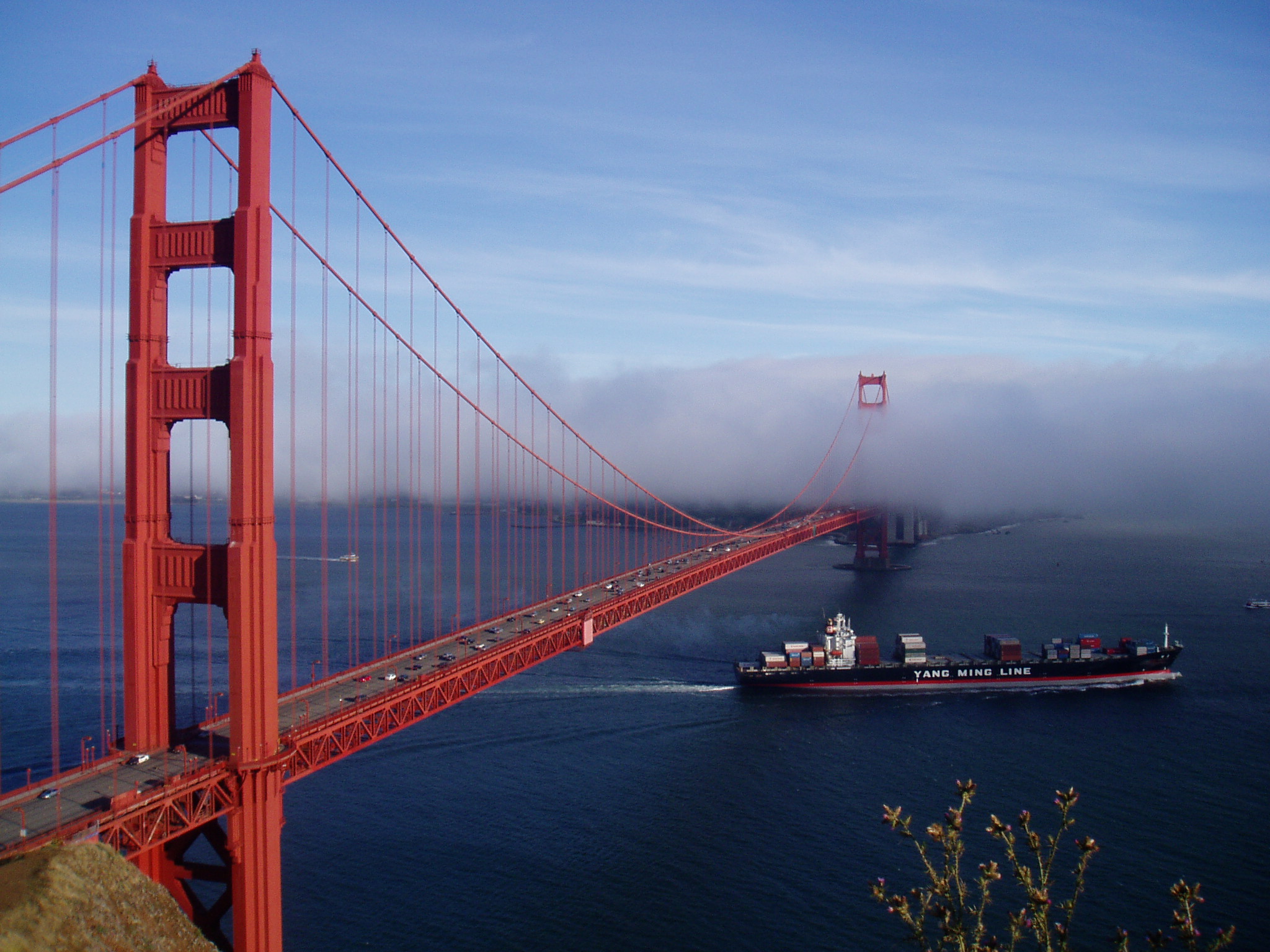
In 1972, the Golden Gate National Recreation Area was established, thanks to the efforts of Congressman Phillip Burton and others, safeguarding the dramatic landscapes around the Golden Gate Bridge from commercial development. The GGNRA protected over 80,000 acres of coastline, historic military sites, and redwood forests, ensuring the iconic backdrop of the bridge remains undeveloped. This milestone was a victory over President Richard Nixon’s administration and local commercial interests, led by activists like Amy Meyer, who fought to preserve the natural beauty and historical integrity of the area.
This preservation has had a lasting impact, making the GGNRA the second-most visited unit in the National Park System and a crucial part of San Francisco’s identity. It not only protects the environment but also enhances the cultural and economic value of the region.
Further reading:
Why This Mattered
The GGNRA protected over 80,000 acres of coastline, historic military sites, and redwood forests flanking both sides of the Golden Gate. By preserving the Marin Headlands and the Presidio from commercial development, it locked in the dramatic, undeveloped backdrop that defines the bridge's iconic image worldwide. It became the most visited unit in the National Park System.