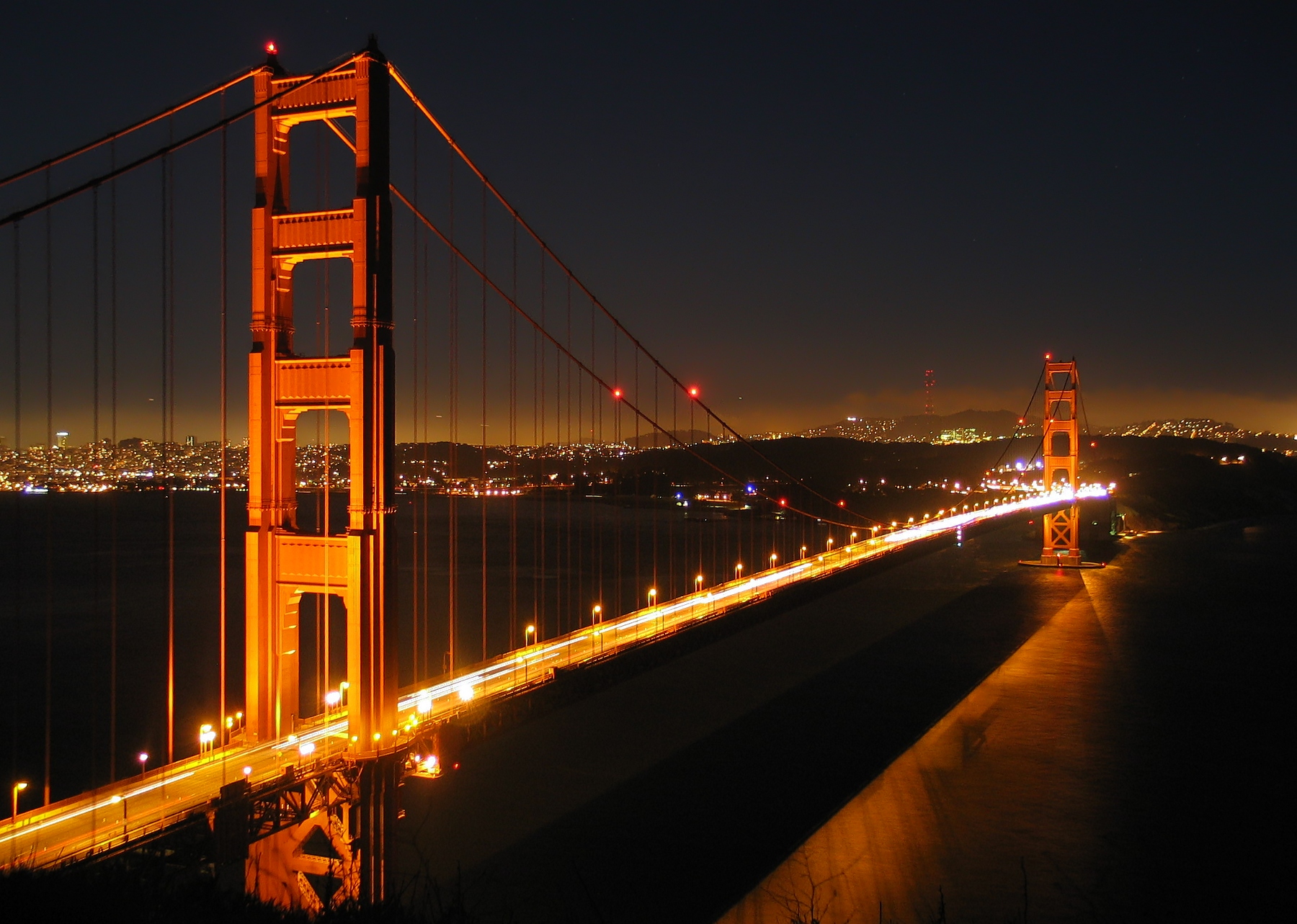
The Billionth Car Across the Golden Gate
A routine commute turned a dentist into a celebrity when his car was flagged as the bridge's one-billionth vehicle.
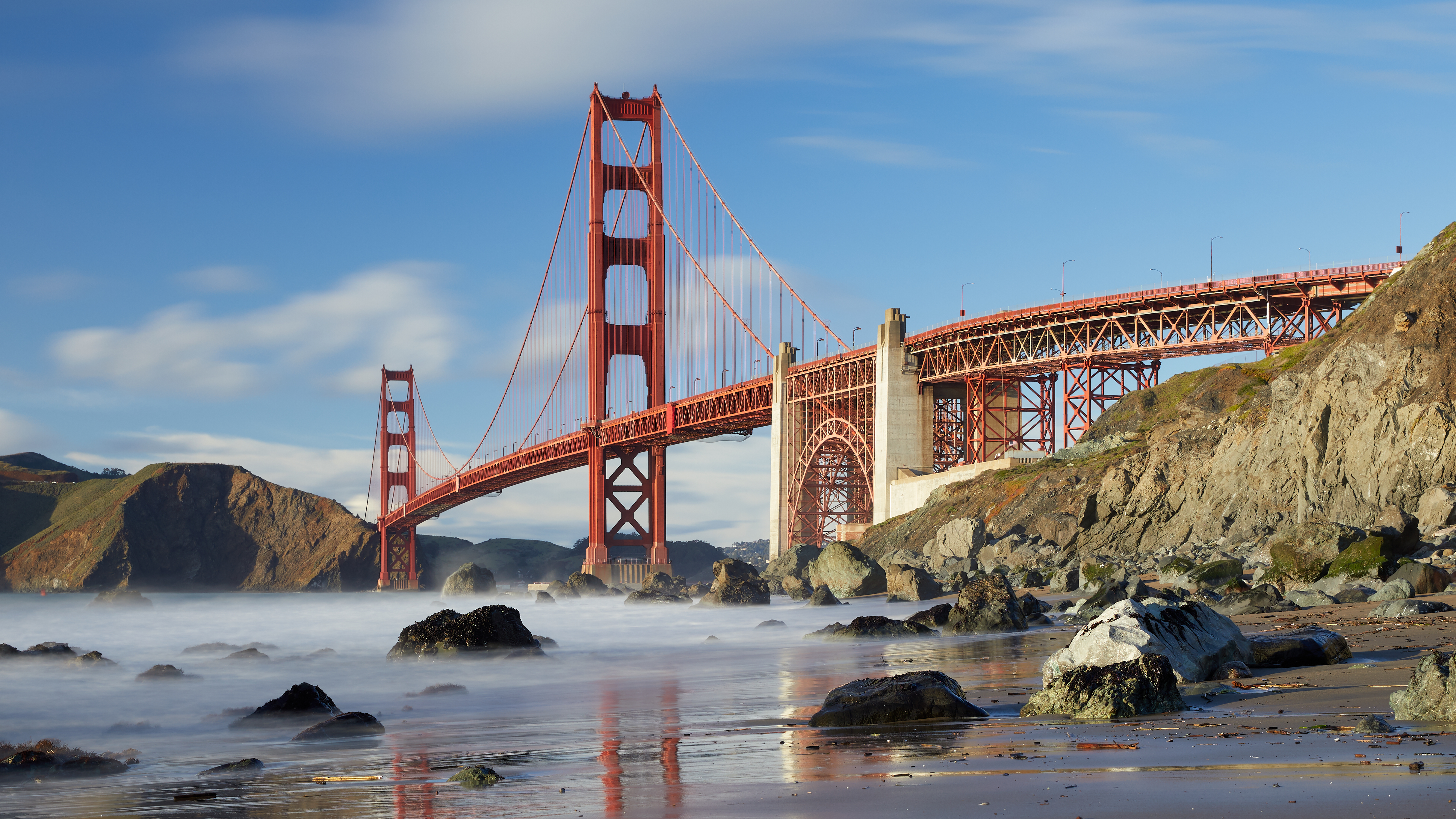
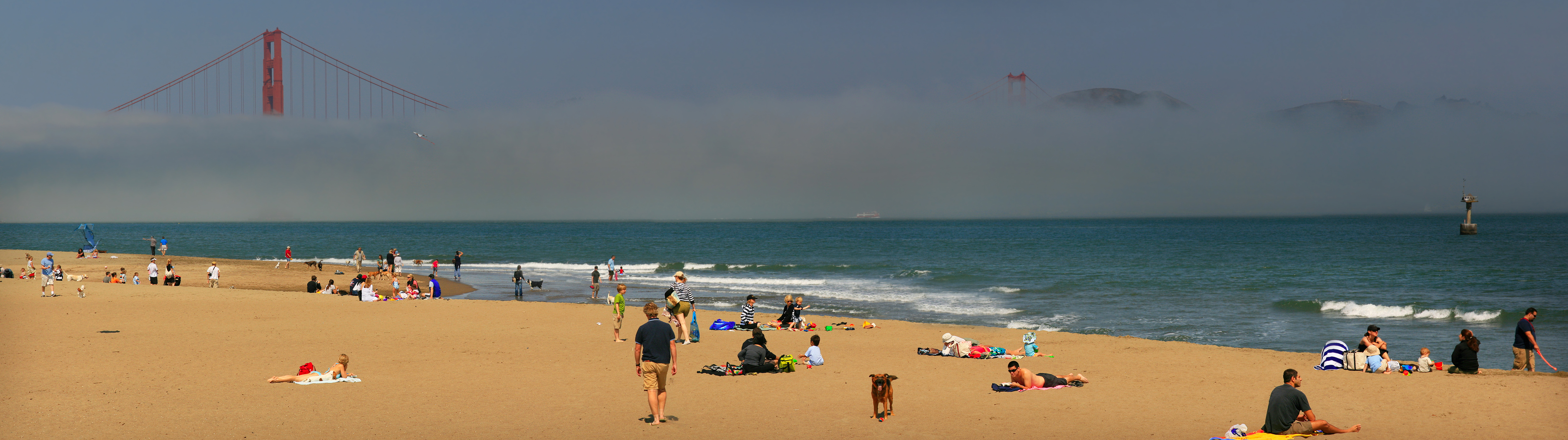
Daniel L. Lu (user:dllu) Camera location37° 49′ 39.52″ N, 122° 29′ 56.17″ W View this and other nearby images on: OpenStreetMap 37.827644; -122.498935 / CC BY-SA 4.0
I was just driving to work. I had no idea I was about to become the billionth anything.
— Arthur Molinari
The Golden Gate Bridge reached a significant milestone in 1985 when the billionth vehicle crossed its iconic span, marking a profound shift in its role from an engineering marvel to an integral part of daily infrastructure.
What happened: In 1985, the Golden Gate Bridge celebrated a remarkable achievement when the billionth vehicle, driven by Arthur Molinari and accompanied by Dale Luehring, crossed the bridge. This event highlighted the bridge’s transformation from a Depression-era project to a heavily trafficked artery connecting San Francisco and Marin County. Golden Gate Bridge Traffic and Tolling History
Why it matters: The billionth vehicle milestone underscored the bridge’s critical role in the region’s transportation network. As car ownership became more widespread, the bridge’s traffic volume far exceeded initial projections, necessitating innovative solutions for tolling, lane management, and long-term maintenance. This event also reinforced the bridge’s status as a cultural and symbolic landmark, reflecting the broader economic and social changes in the Bay Area.
Further reading:
The Golden Gate Bridge’s journey from a groundbreaking engineering project to a vital piece of daily infrastructure is a testament to its enduring significance.
Why This Mattered
The billionth-vehicle milestone underscored the bridge's transformation from an engineering marvel into a piece of daily infrastructure. Built during the Depression when car ownership was a luxury, the bridge had by 1985 become one of the most heavily trafficked spans in the world, forcing planners to rethink tolling, lane management, and long-term wear on a structure never designed for such volume.