The 11,000-Ton Diet
Engineers replaced the entire roadway deck of the Golden Gate Bridge with lightweight steel — while keeping it open to traffic.

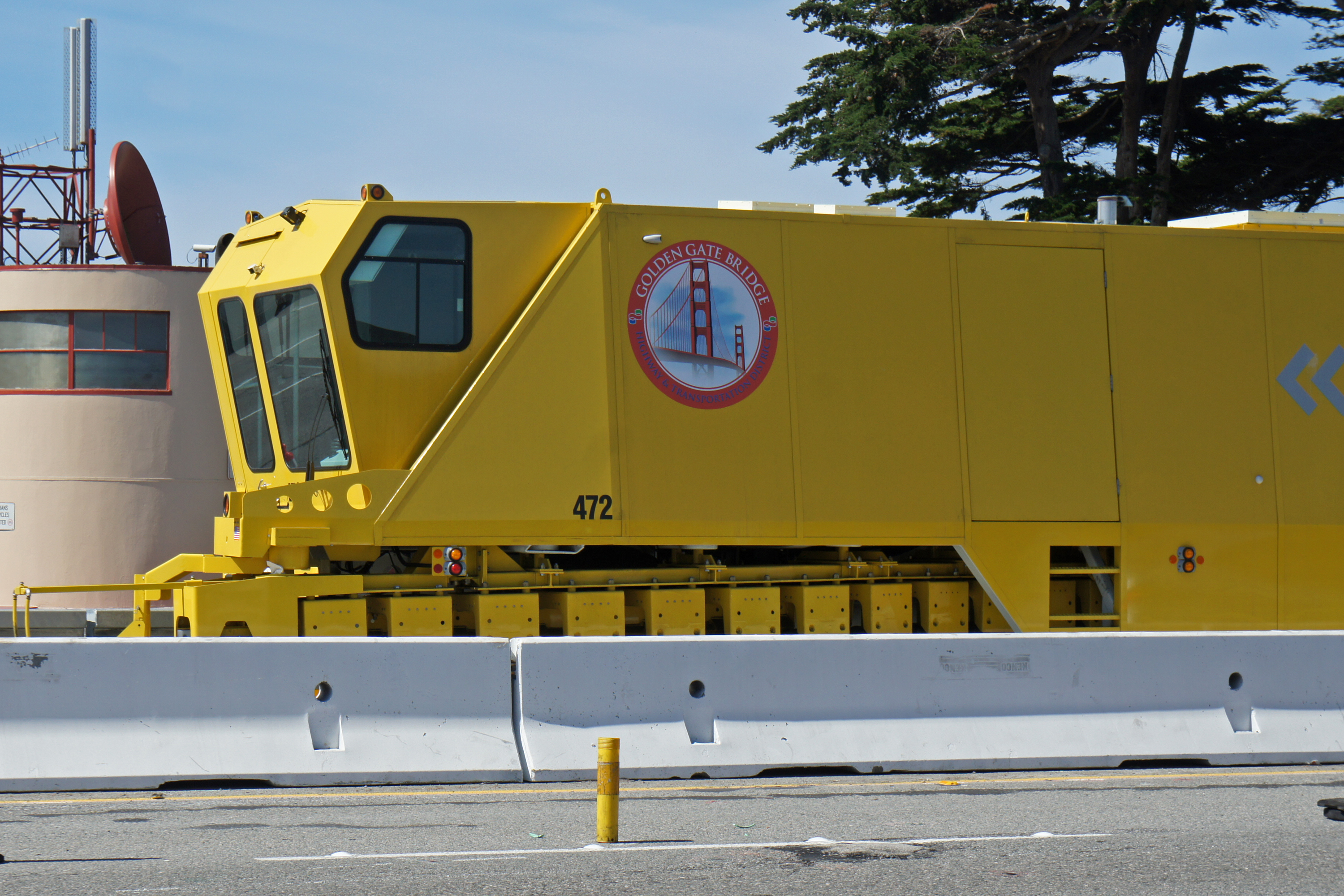
Brocken Inaglory / CC BY-SA 3.0
We had to rebuild the floor of a house while the family was still living in it.
— James E. Roberts, chief engineer of the Golden Gate Bridge District
The 11,000-Ton Diet: A Major Milestone in the Golden Gate Bridge’s History
The Golden Gate Bridge underwent a significant transformation in 1986 when its original concrete roadway was replaced with an orthotropic steel deck, reducing its weight by 11,000 tons.
What happened: Between 1982 and 1986, the Golden Gate Bridge’s original concrete roadway was replaced with an orthotropic steel deck, a project spearheaded by Daniel E. Mohn and James E. Roberts. This swap, which took four years to complete, shed roughly 11,000 tons of dead weight from the bridge. Golden Gate Bridge Highway and Transportation District
Why it matters: This renovation not only reduced stress on the bridge’s cables and towers but also extended its lifespan by decades. The lighter deck also prepared the bridge for future seismic retrofit work, ensuring its structural integrity and safety for years to come.
Further reading:
Why This Mattered
Between 1982 and 1986, the bridge's original concrete roadway was swapped for an orthotropic steel deck, shedding roughly 11,000 tons of dead weight. The lighter deck reduced stress on the cables and towers, extending the bridge's lifespan by decades and preparing it for future seismic retrofit work.