The Day the Bridge Went Flat
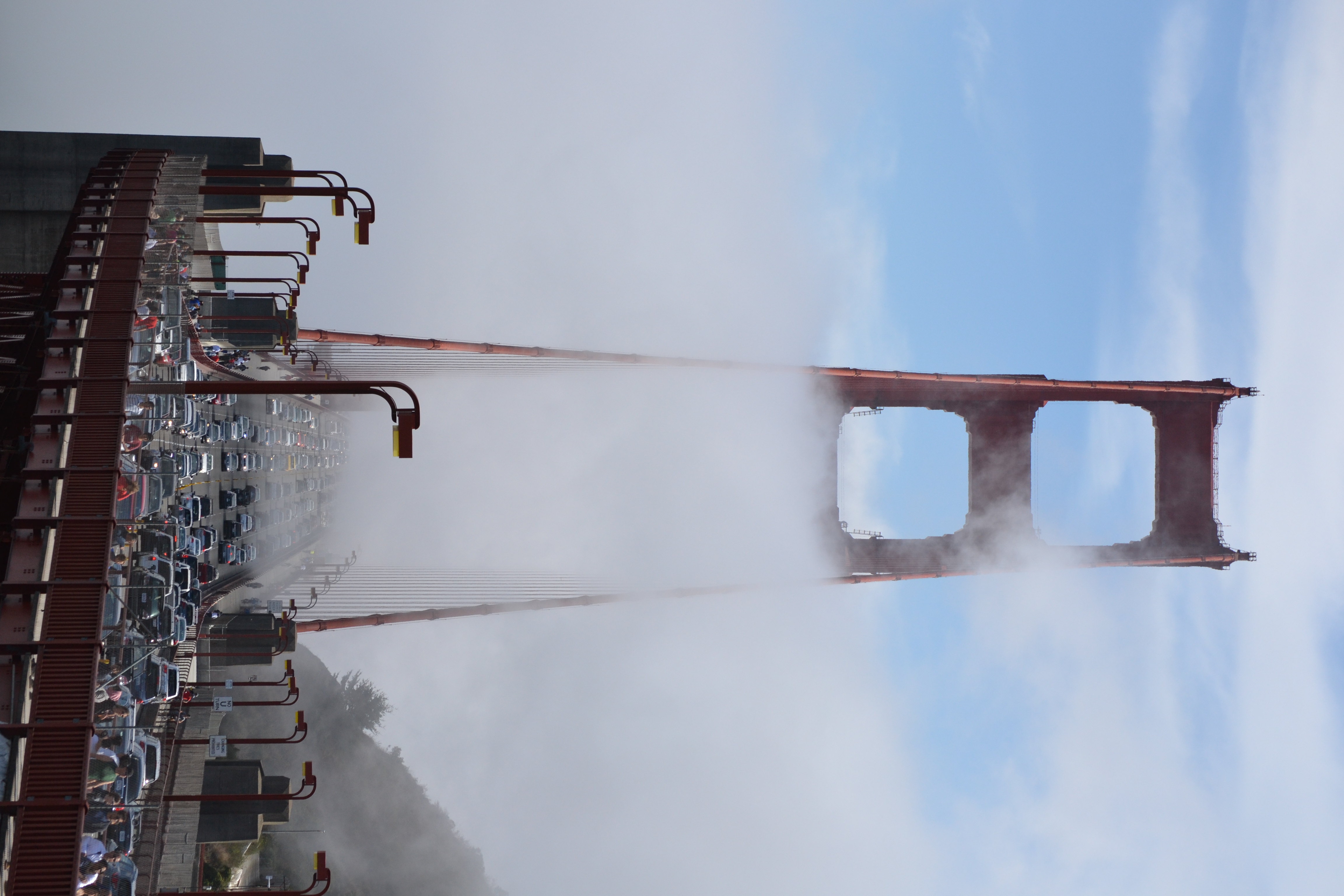
During the 50th anniversary celebration, 300,000 pedestrians packed the Golden Gate Bridge so tightly that its roadway flattened under the weight, alarming engineers worldwide.
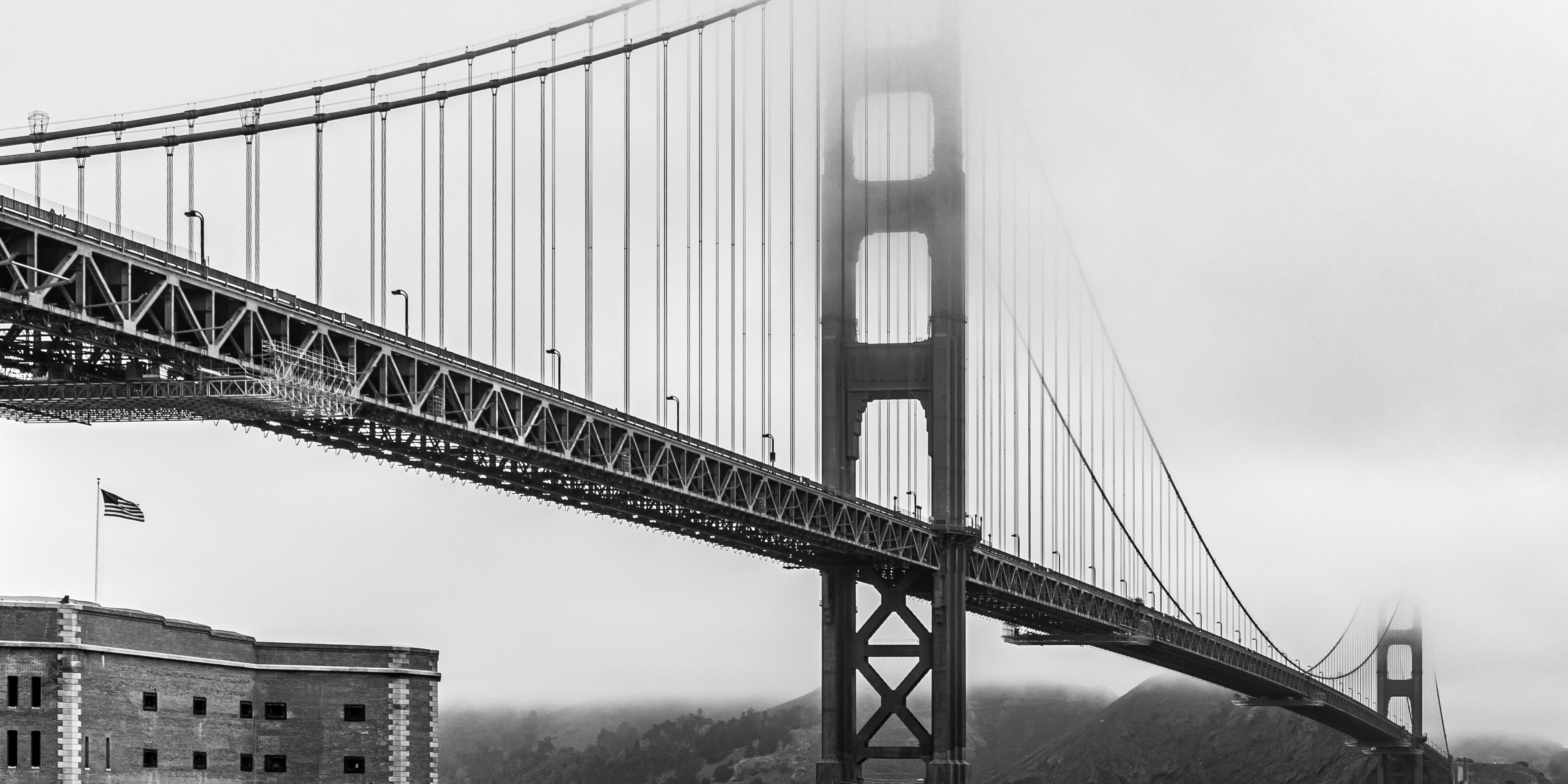
Dietmar Rabich / CC BY-SA 4.0
I looked out and the bridge was flat. I mean dead flat. I'd never seen anything like it. We were scared.
— Dale Luehring, Golden Gate Bridge maintenance supervisor
The Day the Bridge Went Flat: A Milestone in Engineering
On August 25, 1987, the Golden Gate Bridge experienced a unique event that highlighted its structural integrity and the engineering marvels behind its design.
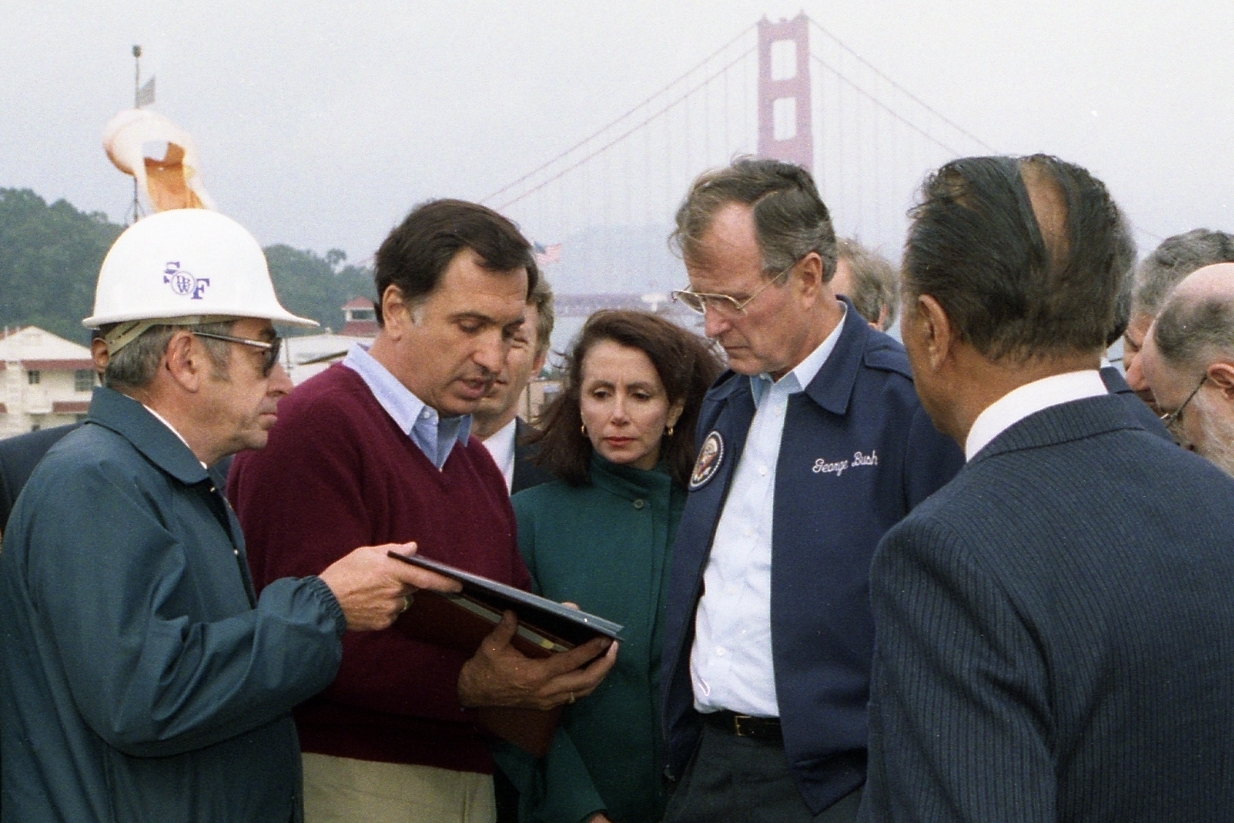
What happened: On the bridge’s 50th anniversary, an estimated 300,000 people gathered on the Golden Gate Bridge, causing it to visibly flatten and reduce its clearance above the water by as much as 7 feet. This event was orchestrated by bridge officials to celebrate the bridge’s half-century of service, but it also served as a critical test of the bridge’s capacity under extreme load conditions. Engineers such as Dale Luehring and Pat Foley monitored the bridge’s behavior closely during this unprecedented gathering. Golden Gate Bridge - 50th Anniversary
Why it matters: The day the bridge went flat in 1987 had significant implications for the understanding of crowd load assumptions for suspension bridges. It demonstrated the need for stricter protocols and more conservative estimates when planning for mass gatherings on such structures. This event led to global reconsiderations of how suspension bridges are designed and tested for crowd loads, enhancing safety standards for similar infrastructure worldwide.
Further reading:
Why This Mattered
The bridge's famous arc visibly flattened as an estimated 300,000 people crowded onto it simultaneously, reducing its clearance above the water by as much as 7 feet. The event forced engineers to reconsider crowd load assumptions for suspension bridges globally and led to stricter protocols for future mass gatherings on the span.