The Earthquake the Bridge Survived
The 1989 Loma Prieta earthquake proved the Golden Gate Bridge's resilience while exposing seismic vulnerabilities that would drive a decades-long retrofit.

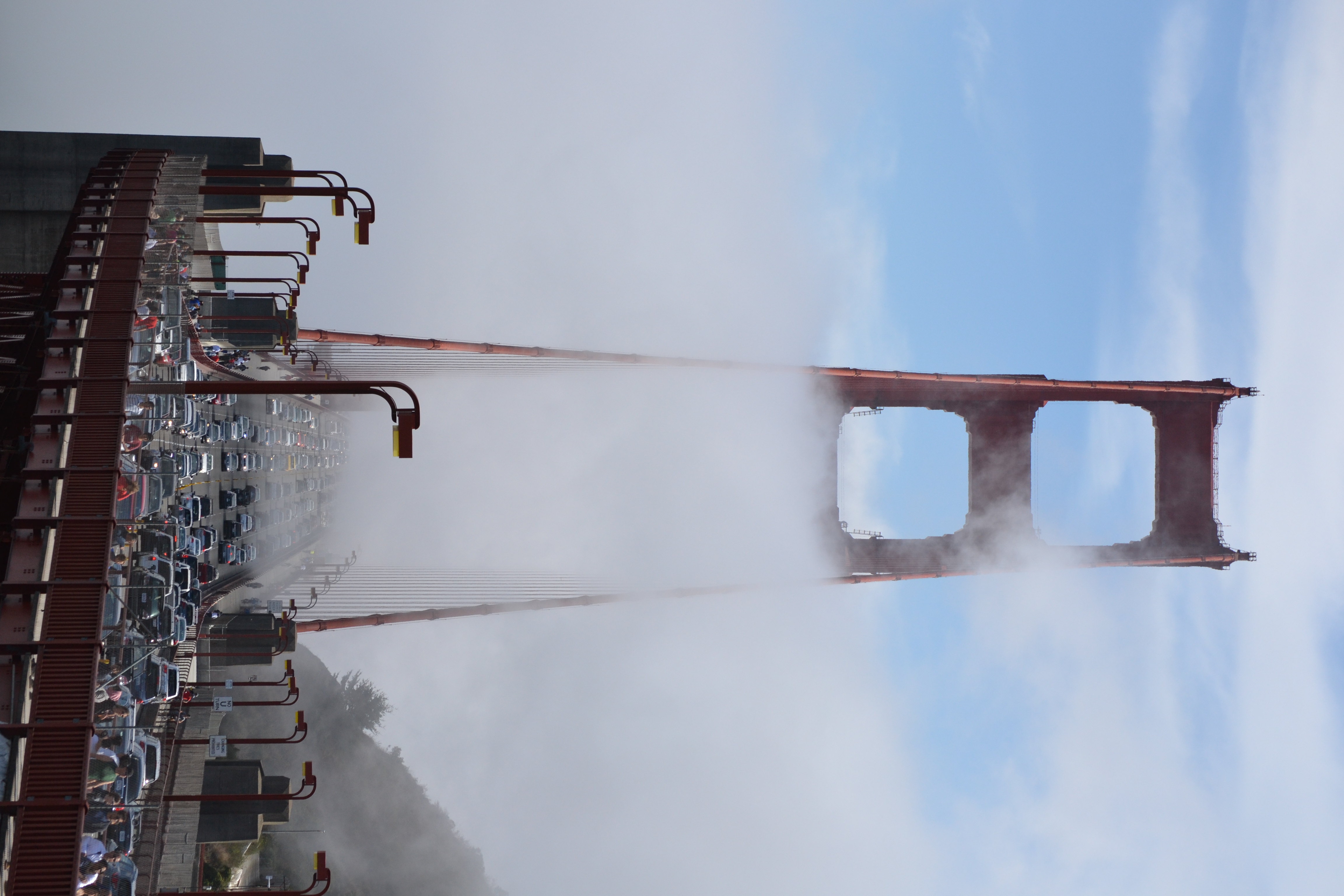
Nancy Pelosi from San Francisco, CA / CC BY 2.0
The bridge was designed for a static concept of wind and weight. Earthquakes were simply not part of the vocabulary in the 1930s.
— Charles Seim, seismic retrofit consulting engineer
The Earthquake the Bridge Survived (1989)
On October 17, 1989, the Loma Prieta earthquake struck the San Francisco Bay Area, testing the resilience of the Golden Gate Bridge. While the nearby Bay Bridge suffered a catastrophic upper-deck collapse, the Golden Gate Bridge survived the 6.9-magnitude earthquake intact. However, subsequent engineering analysis revealed the bridge could not withstand a closer fault rupture, launching a $392 million seismic retrofit program spanning more than two decades — the largest infrastructure project in the bridge’s history. Loma Prieta earthquake
This event underscored the need for continuous assessment and reinforcement of critical infrastructure. The retrofit program, initiated by engineers like Denis Mulligan and Charles Seim, ensured the bridge’s safety for future seismic events, setting a precedent for seismic resilience in bridge construction.
Further reading:
Why This Mattered
While the nearby Bay Bridge suffered a catastrophic upper-deck collapse, the Golden Gate Bridge survived the 6.9-magnitude Loma Prieta earthquake intact. But subsequent engineering analysis revealed the bridge could not withstand a closer fault rupture, launching a $392 million seismic retrofit program spanning more than two decades — the largest infrastructure project in the bridge's history.