One of Seven Wonders of the Modern World
The American Society of Civil Engineers crowned the Golden Gate Bridge among humanity's greatest modern achievements, placing it alongside the Panama Canal and the Channel Tunnel.
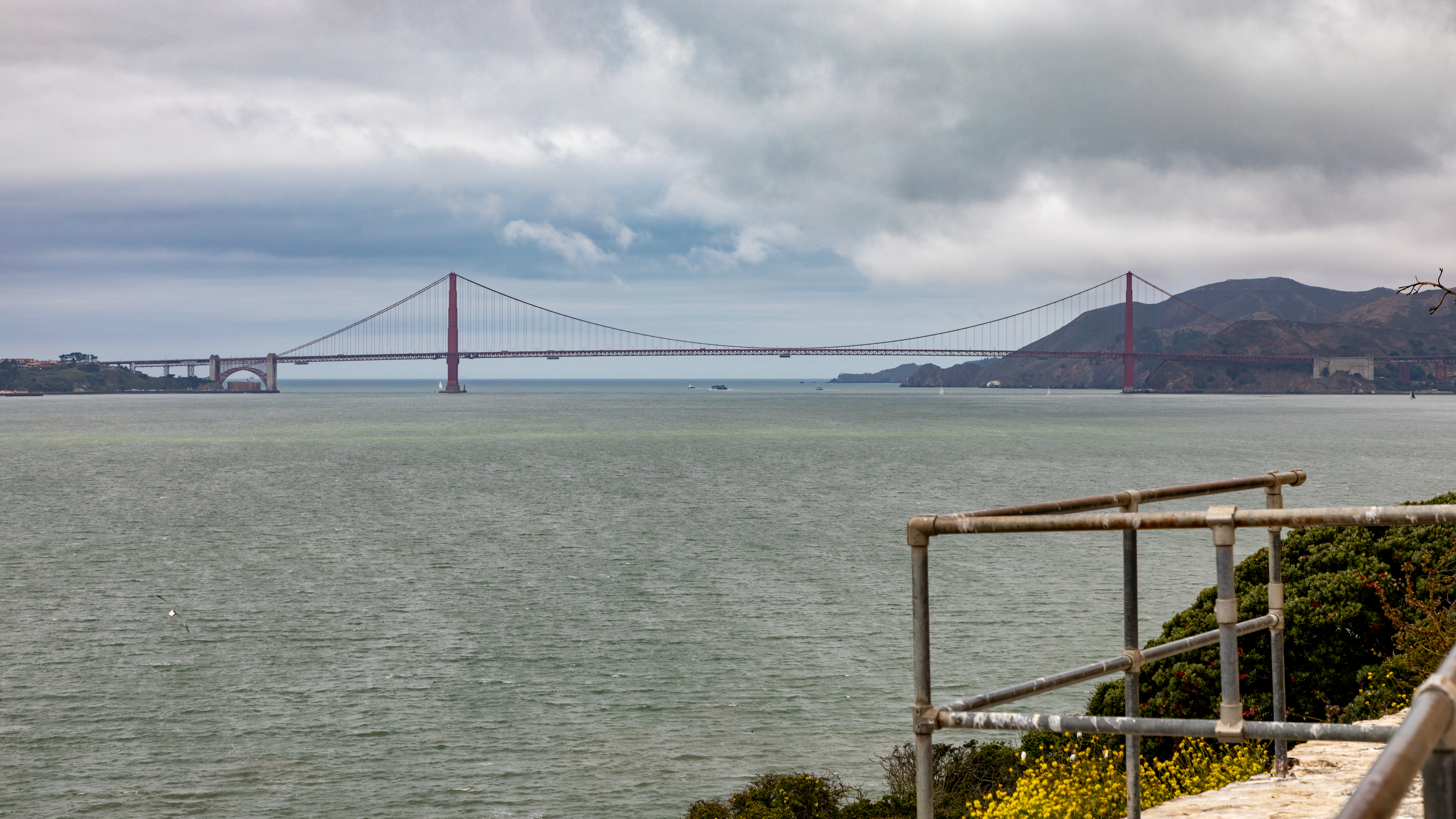
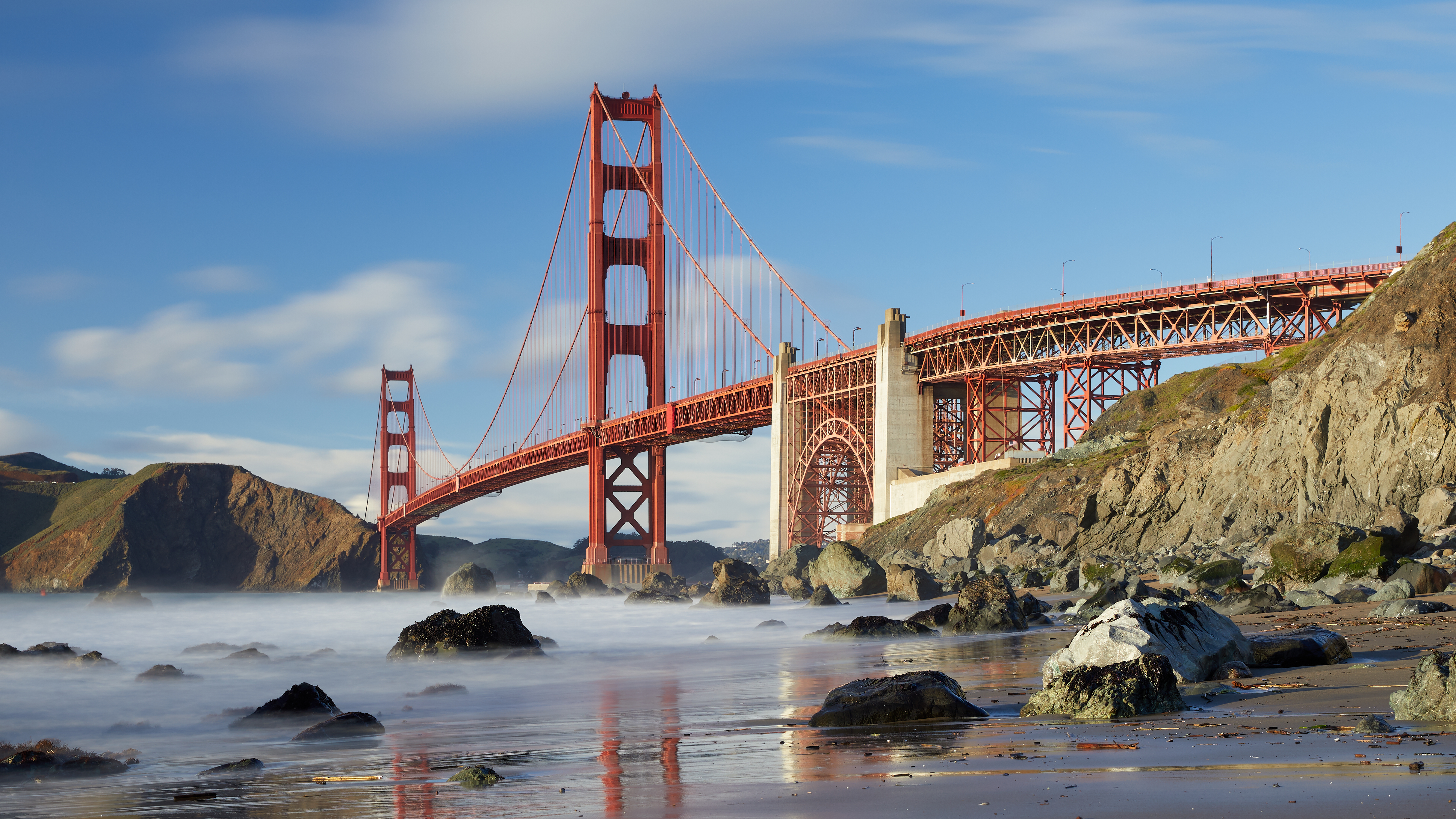
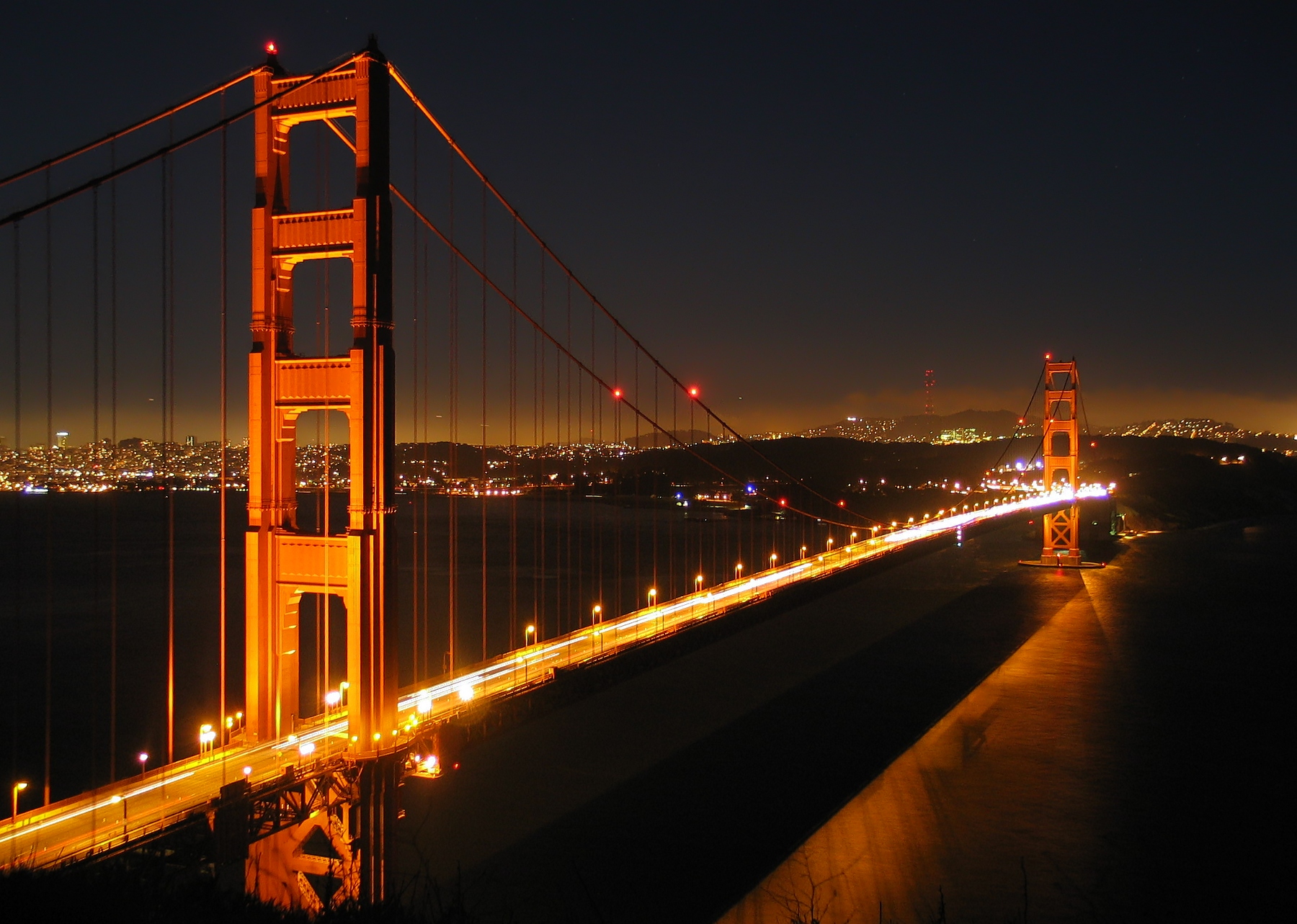
Dietmar Rabich / CC BY-SA 4.0
The Golden Gate Bridge is a structure of such magnificence that it transcends its utilitarian purpose and becomes a work of art.
— American Society of Civil Engineers
The Golden Gate Bridge: A Modern Wonder
The Golden Gate Bridge was named one of the Seven Wonders of the Modern World in 1994, a testament to its engineering marvel and cultural significance.
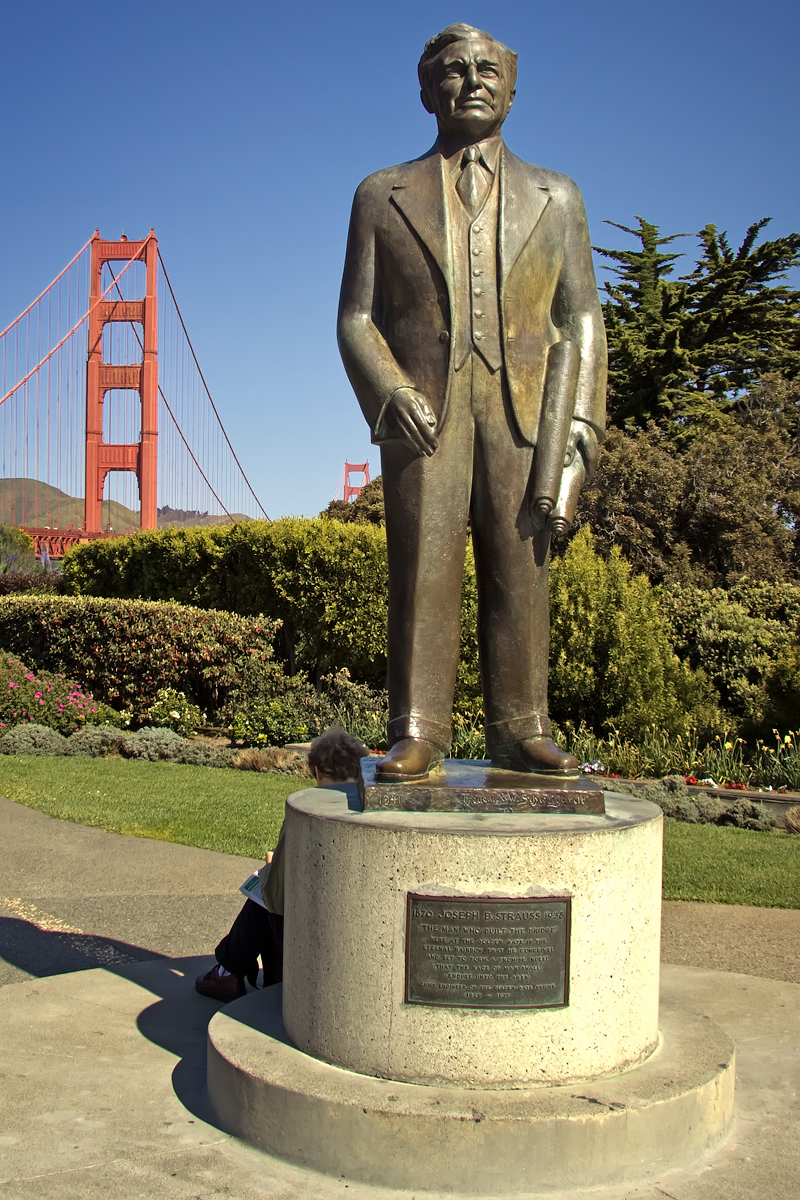
What happened: In 1994, the American Society of Civil Engineers (ASCE) designated the Golden Gate Bridge as one of the Seven Wonders of the Modern World. This recognition was awarded to the bridge, which spans the Golden Gate strait at the entrance to the San Francisco Bay, connecting San Francisco with Marin County. The bridge’s construction, completed in 1937, was led by chief engineer Joseph B. Strauss, with significant contributions from consulting engineer Charles A. Ellis and architect Irving Morrow, who designed the bridge’s Art Deco elements.
Why it matters: This designation by the ASCE cemented the Golden Gate Bridge’s status not just as a regional landmark but as one of the supreme engineering achievements of the twentieth century. The honor brought renewed global attention to the bridge’s Depression-era construction and its enduring design, reinforcing its place in the cultural imagination far beyond San Francisco.
Further reading:
Why This Mattered
The ASCE designation cemented the bridge's status not just as a regional landmark but as one of the supreme engineering achievements of the twentieth century. The honor brought renewed global attention to the bridge's Depression-era construction and its enduring design, reinforcing its place in the cultural imagination far beyond San Francisco.