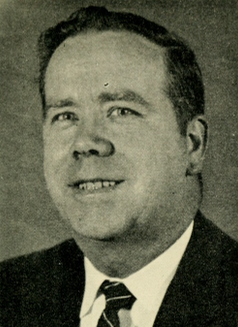
Unknown authorUnknown author / Public domain
Irving Morrow
designing the Golden Gate Bridge
- Architect Irving Foster Morrow played a pivotal role in the design of the Golden Gate Bridge's Art Deco elements.
- His innovative approach to color and design helped establish the bridge as an iconic landmark.
- Morrow's influence extended beyond the bridge's aesthetics, shaping its overall visual identity.
Irving Foster Morrow (1884–1952) was an American architect renowned for his contributions to the visual aesthetics of the Golden Gate Bridge.
Milestones
-
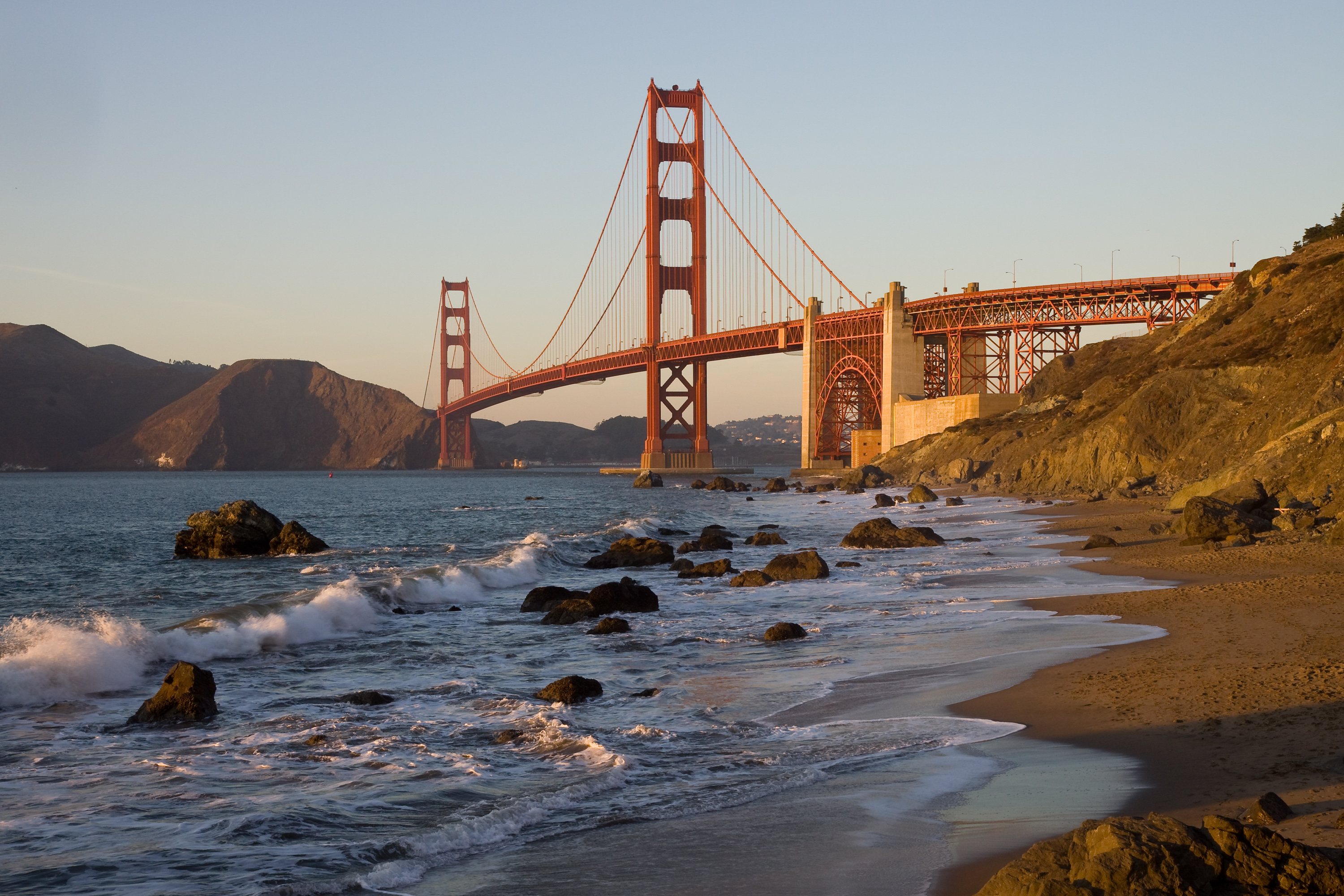 Depression-Era Construction Design & Engineering
Irving Morrow transformed a utilitarian span into an Art Deco masterpiece through stepped towers, geometric railings, and theatrical lighting — yet history nearly forgot him.
-
1933Depression-Era Construction Design & Engineering
Rather than demolish a Civil War fortress, engineers redesigned the Golden Gate Bridge to arch over it — creating the span's most dramatic feature.
-
1935Depression-Era Construction Design & Engineering
Architect Irving Morrow fought the U.S. Navy and Army to paint the bridge International Orange instead of battleship gray or candy-cane stripes.
-
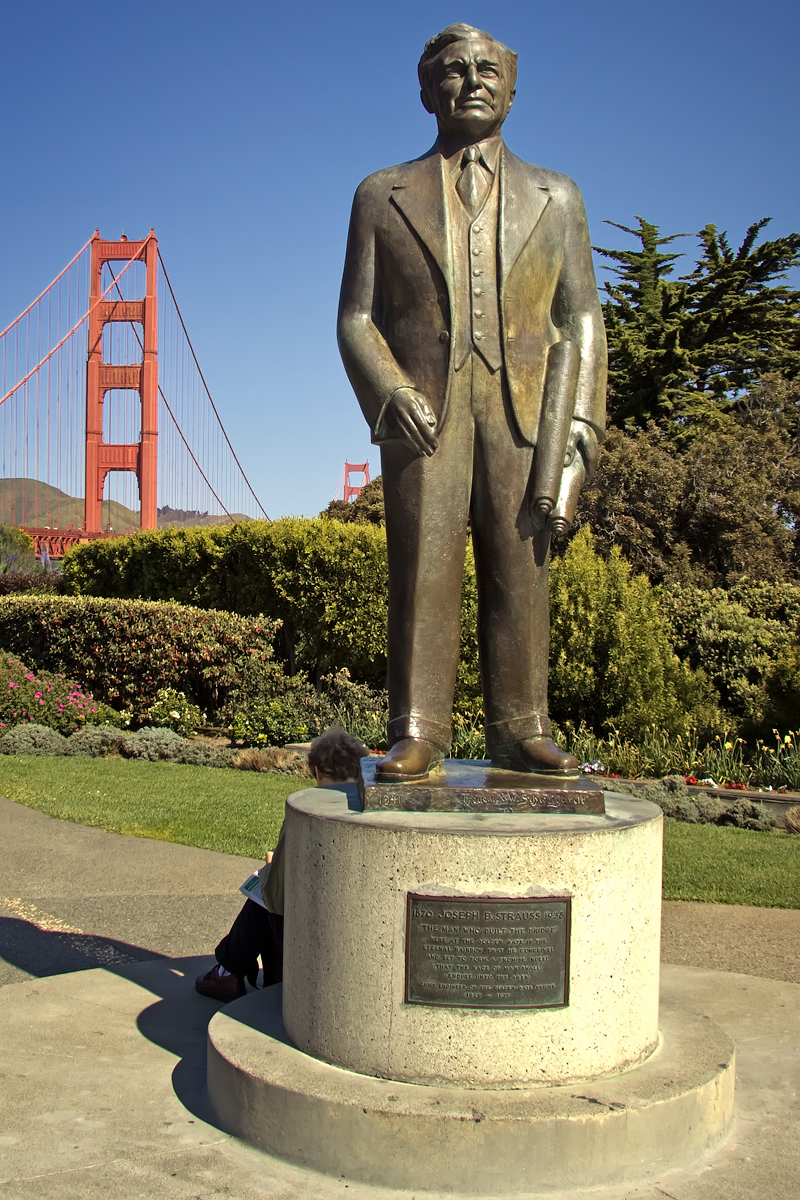 Opening and Early Glory Cultural & Symbolic
Joseph Strauss died just one year after his bridge opened, broken by the very fight that made him famous.
-
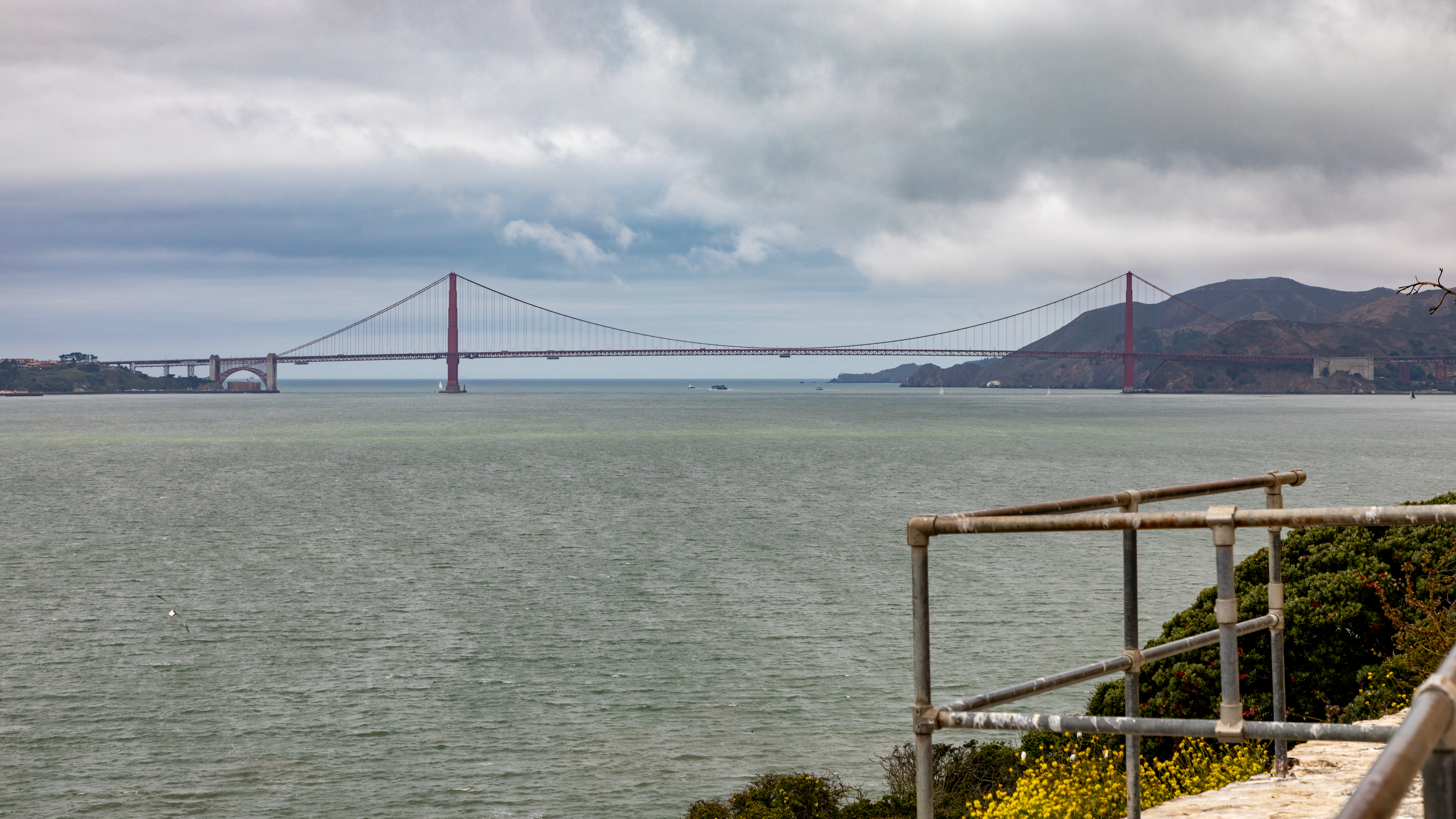 Cultural Icon and Dark Symbol Cultural & Symbolic
The American Society of Civil Engineers crowned the Golden Gate Bridge among humanity's greatest modern achievements, placing it alongside the Panama Canal and the Channel Tunnel.