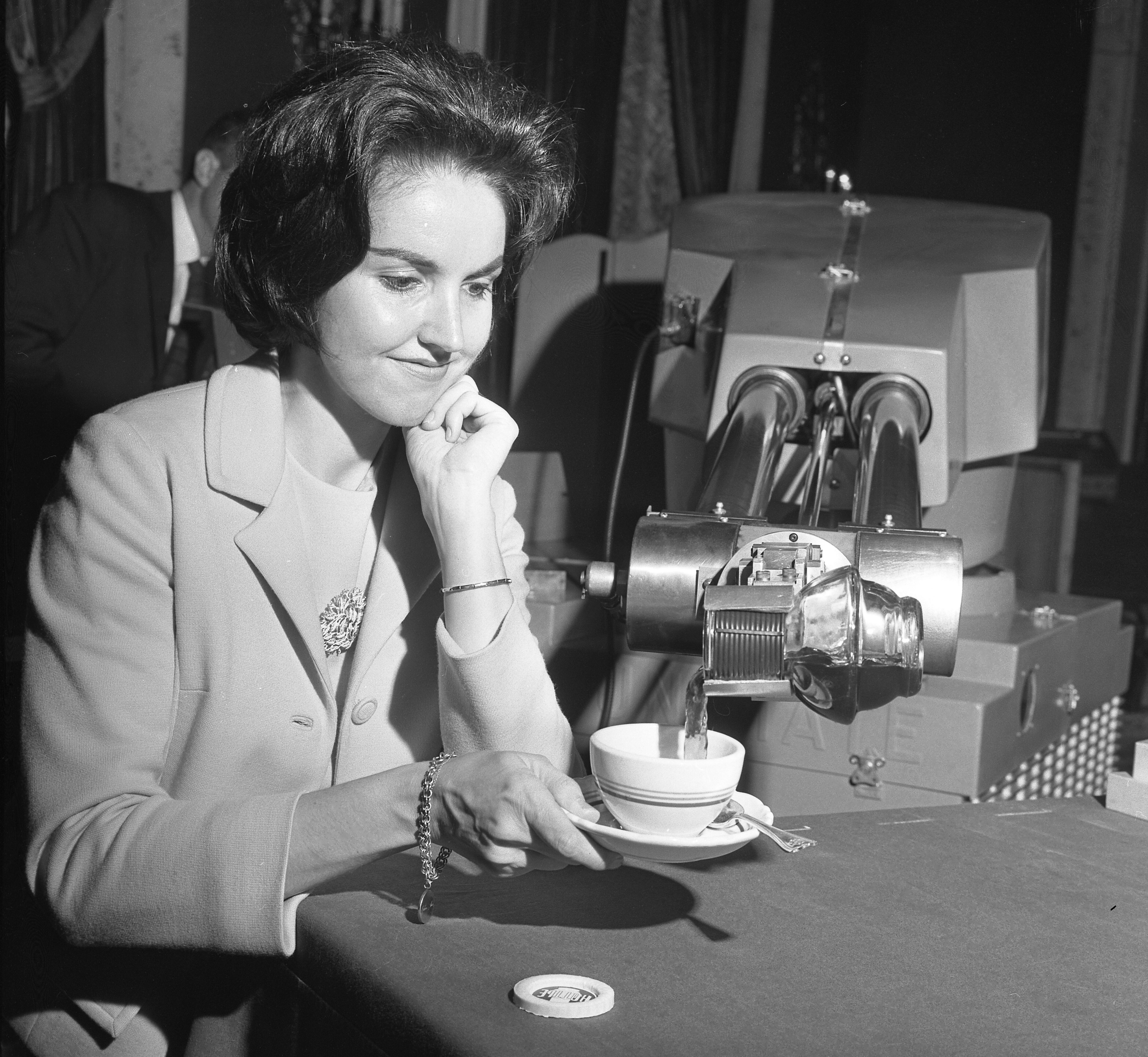
The Robot That Stopped to Think
SRI International built Shakey, the first mobile robot that could perceive its environment, plan a sequence of actions, and reason about how to carry them out — proving machines could operate autonomously in the real world.
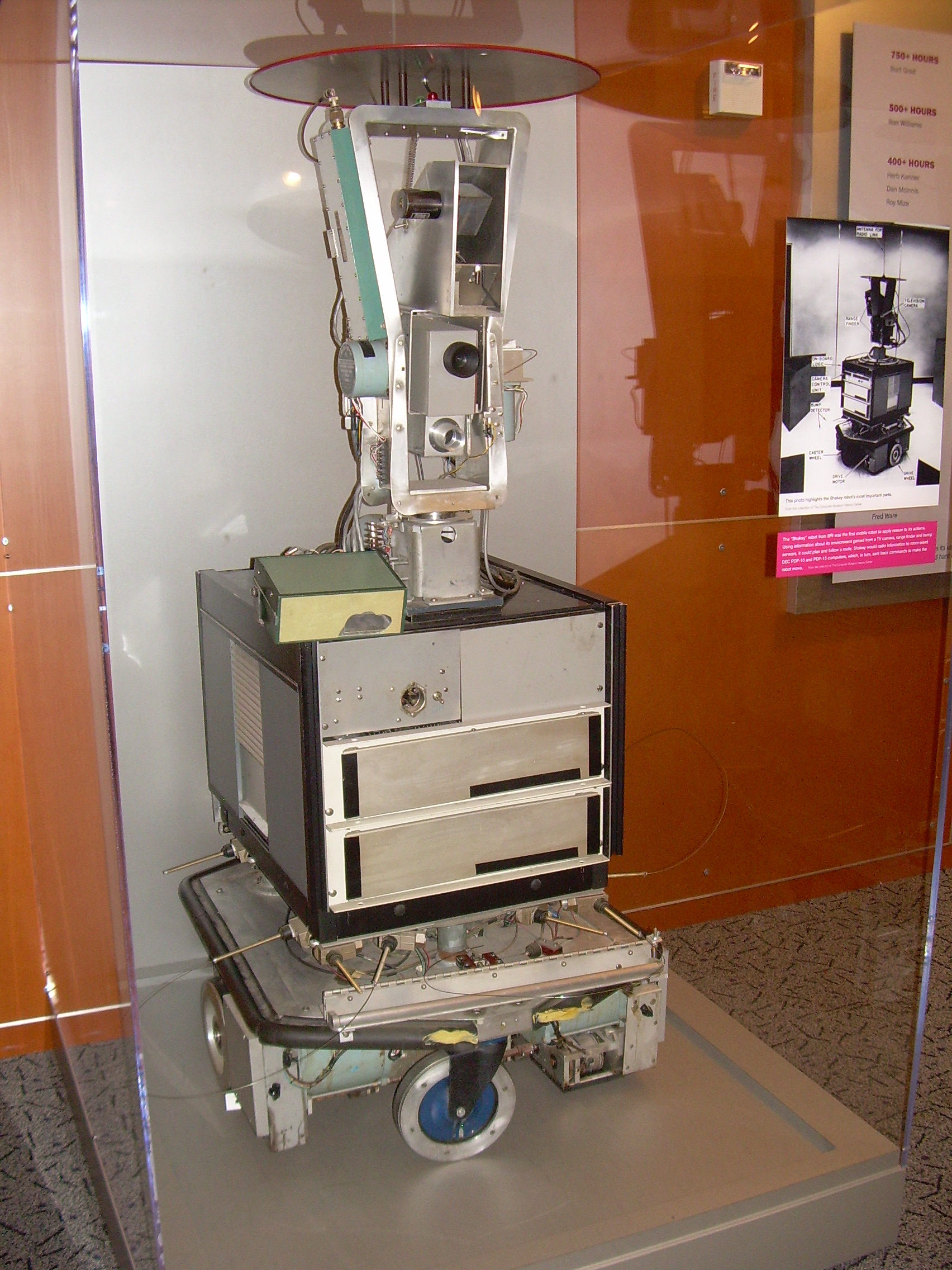
Carlo Nardone from Roma, Italy / CC BY-SA 2.0
Shakey was the first creature in the history of the planet that could reason about its own actions.
— Nils Nilsson
The Robot That Stopped to Think (1966)
Shakey the Robot, introduced in 1966, marked a pivotal moment in the history of artificial intelligence by being the first robot to integrate perception, planning, and action.
What happened: In 1966, Charles Rosen, Nils Nilsson, Peter Hart, and Bertram Raphael at the Stanford Research Institute (SRI) developed Shakey, the first mobile robot capable of reasoning about its actions. Shakey the robot - Wikipedia This groundbreaking robot could analyze commands and break down tasks into basic steps, a capability that was unprecedented at the time. The project also led to significant advancements in computer vision, the A* search algorithm, and the STRIPS planning language.
Why it matters: Shakey’s development was crucial because it was the first to combine logical reasoning with physical action, setting the stage for future advancements in AI and robotics. Its legacy can be seen in the foundational tools still used today, making it a cornerstone in the field’s history.
Further reading:
Why This Mattered
Shakey was the first robot to combine perception, planning, and action into a single system. Its development drove breakthroughs in computer vision, the A* search algorithm, and the STRIPS planning language — foundational tools still used in AI and robotics today.