-
 The Age of Foundation Models Commercial
OpenAI released ChatGPT on November 30, 2022, and it reached 100 million users in just two months, making it the fastest-growing consumer application in history.
-
 The Age of Foundation Models Research
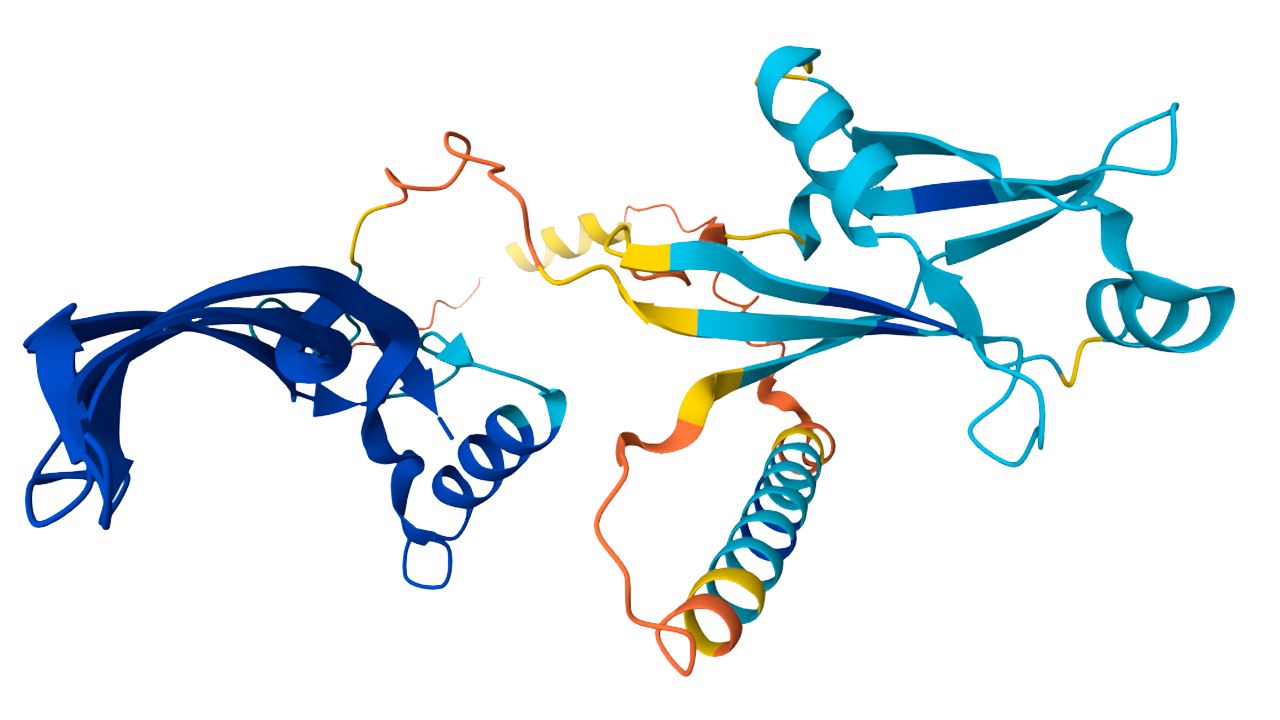
DeepMind's AlphaFold 2 cracked the protein folding problem with unprecedented accuracy, stunning the scientific world overnight.
-
 The Age of Foundation Models Research
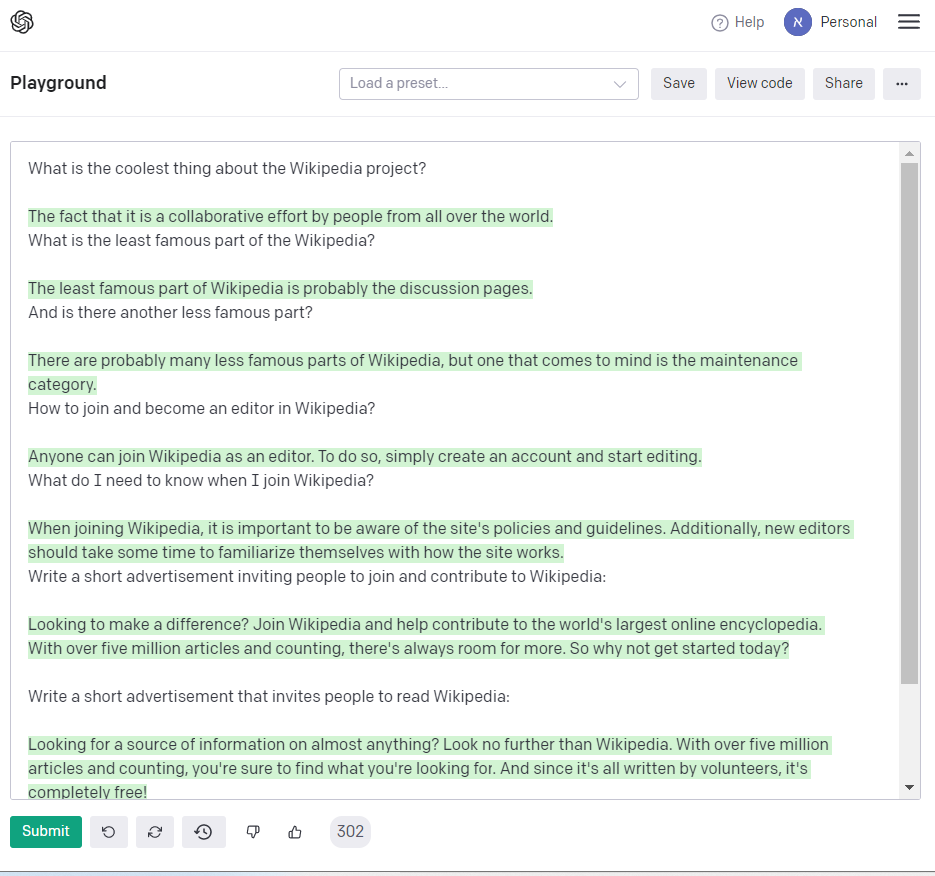
OpenAI's GPT-3 demonstrated that scaling up language models could produce emergent abilities no one explicitly programmed, igniting the foundation model era.
-
 The Deep Learning Revolution Policy
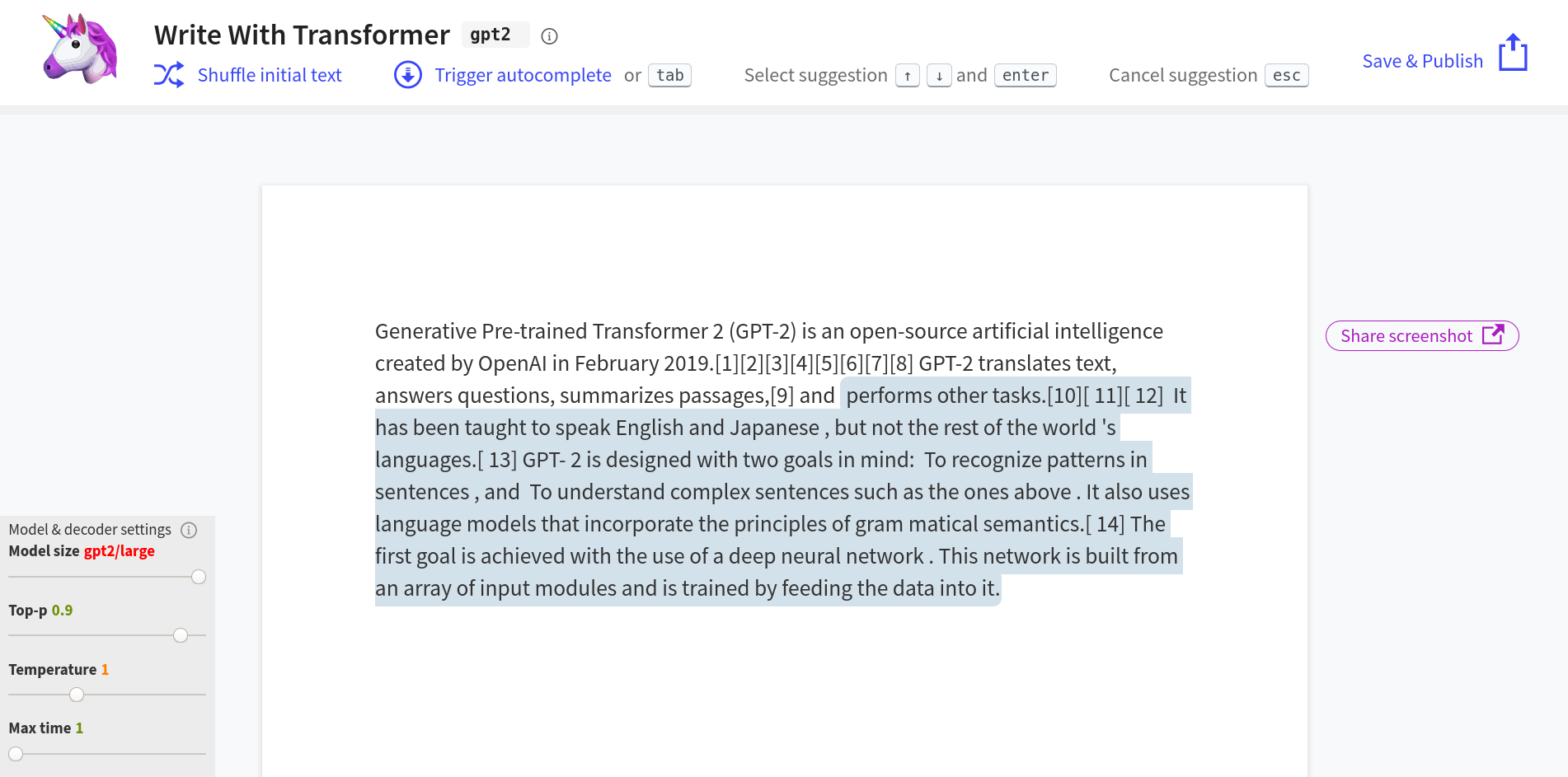
OpenAI withheld its own language model from the public, igniting a firestorm over AI transparency and safety.
-
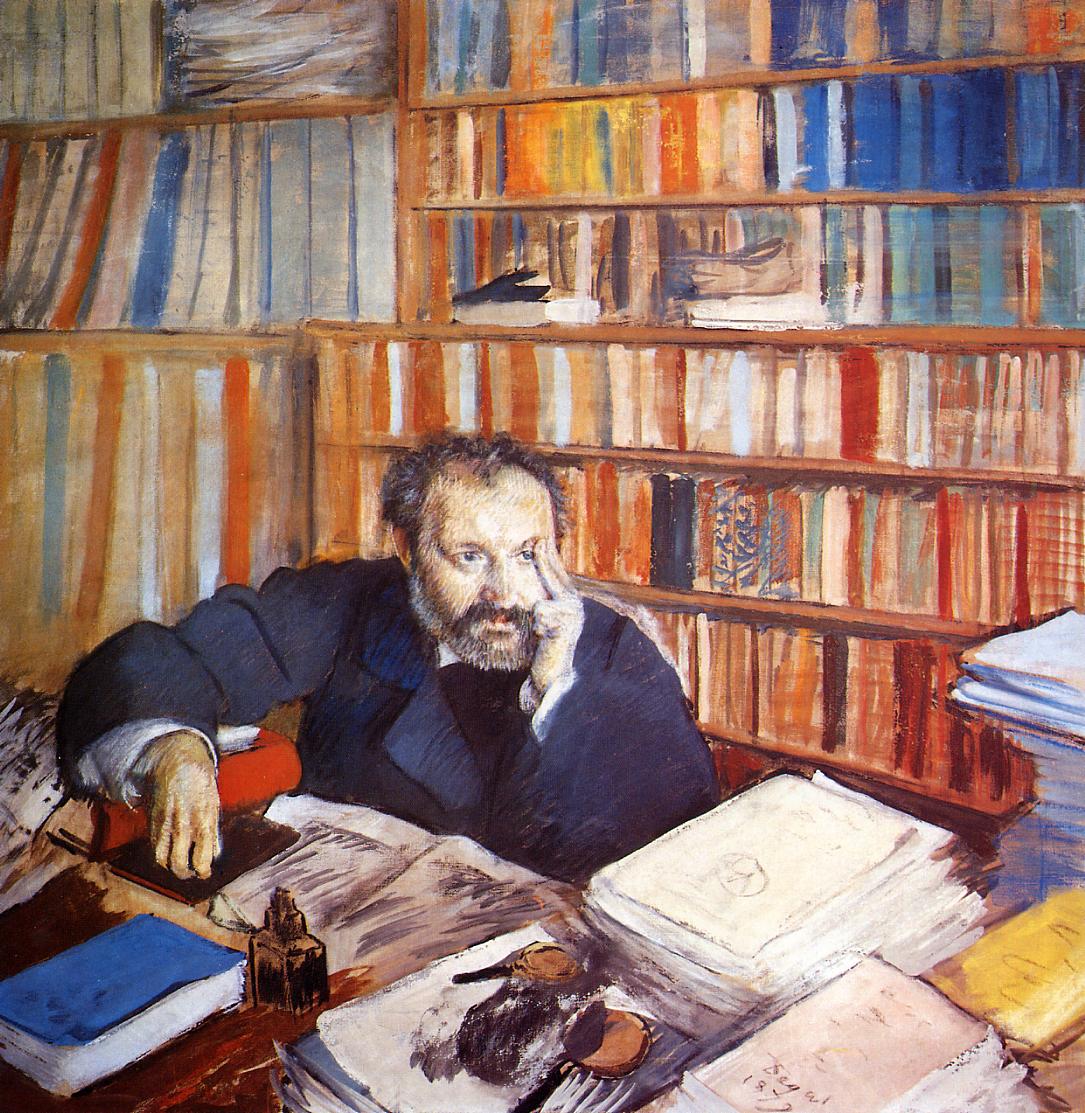 The Deep Learning Revolution Culture
An AI-generated portrait sold at Christie's for $432,500, forcing the art world to confront a new kind of creator.
-
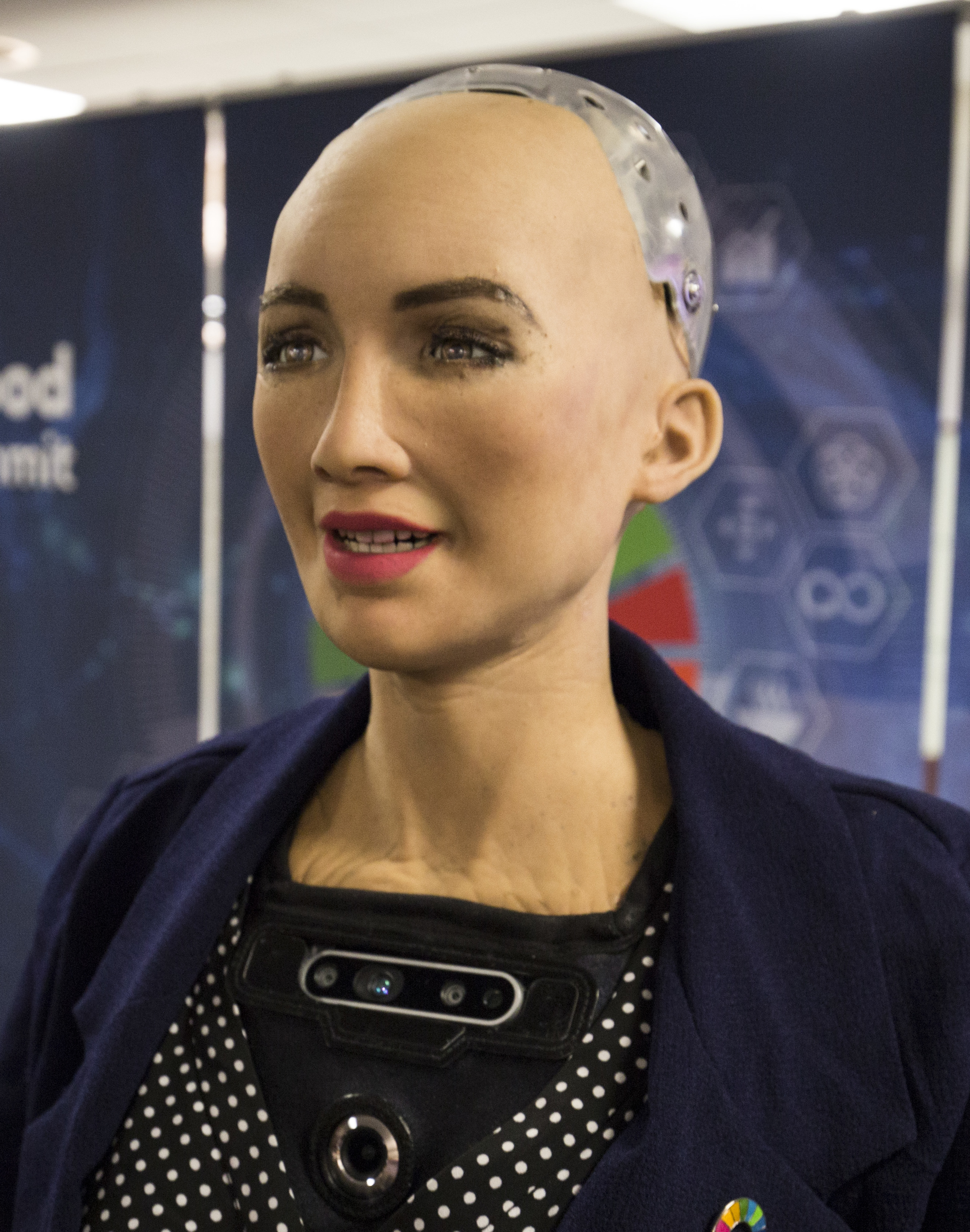 The Deep Learning Revolution Culture
Saudi Arabia granted citizenship to a humanoid robot named Sophia, igniting a global debate about AI rights, personhood, and who deserves legal status.
-
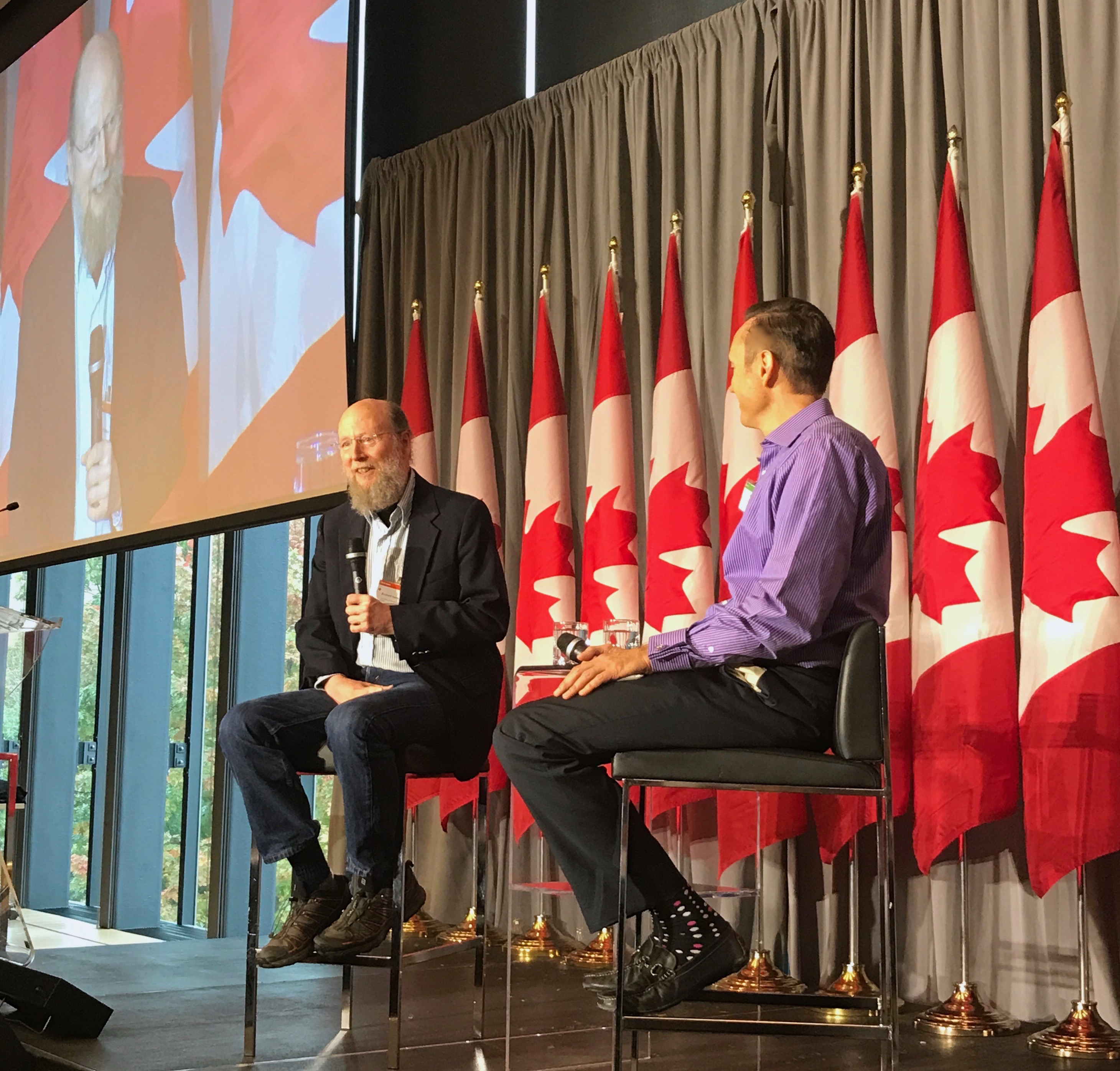 The Deep Learning Revolution Research
AlphaGo Zero mastered the ancient game of Go entirely through self-play, without any human knowledge — and surpassed all previous versions in just three days.
-
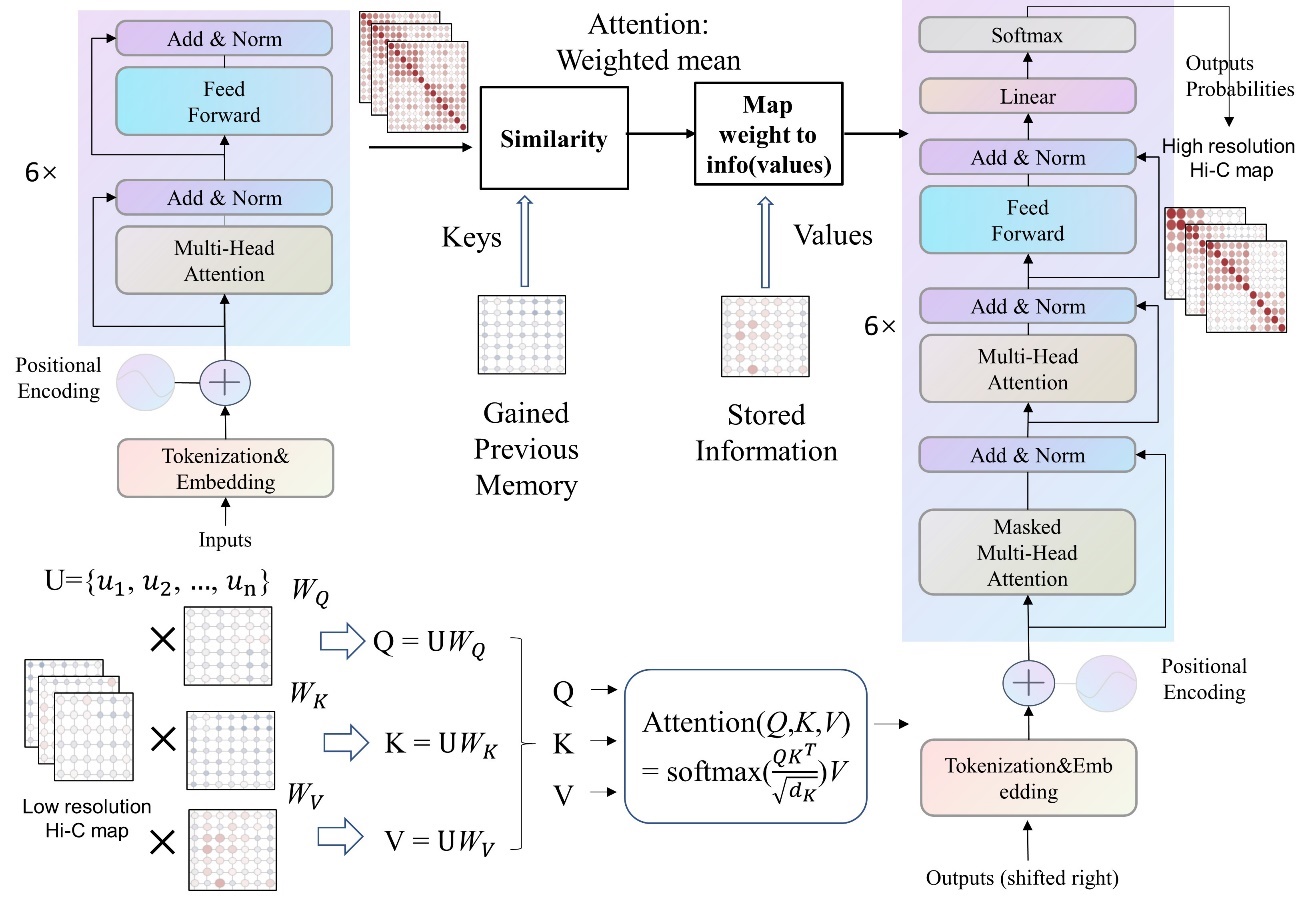 The Deep Learning Revolution Research
A team at Google introduced the Transformer, a deceptively simple attention-based model that would become the foundation of virtually every major AI breakthrough that followed.
-
2017The Deep Learning Revolution Research
An AI named Libratus defeated four of the world's best professional poker players, proving machines could master games of incomplete information and deception.
-
 The Deep Learning Revolution Research
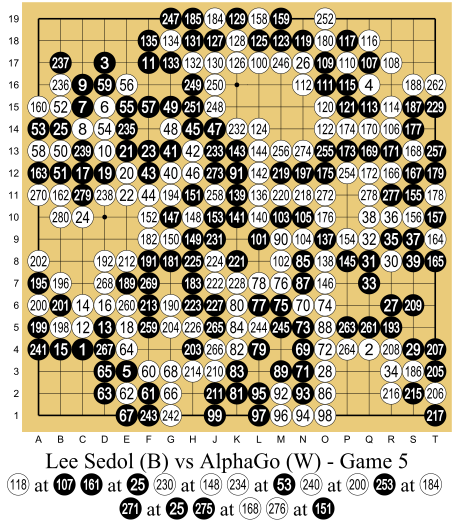
DeepMind's AlphaGo stunned the world by defeating Go champion Lee Sedol, making a mysterious move that redefined what machines could create.
-
2015The Deep Learning Revolution Research
A London startup's algorithm learned to master dozens of Atari games from raw pixels alone, proving machines could figure out complex tasks with no human instruction.
-
2014The Deep Learning Revolution Research
A PhD student's late-night argument at a Montreal pub led to generative adversarial networks, the breakthrough that taught machines to create.
-
2013The Deep Learning Revolution Research
A small London startup showed that a single neural network could learn to play dozens of video games from raw pixels alone, igniting the deep reinforcement learning revolution.
-
 The Deep Learning Revolution Research
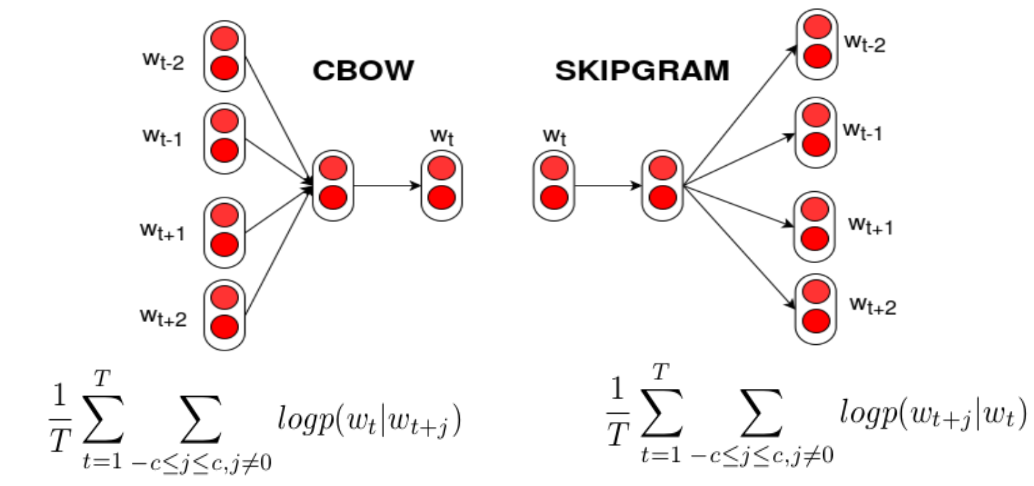
A Google researcher discovered that neural networks could learn word meanings so precisely that 'King minus Man plus Woman equals Queen' — and it actually worked.
-
 The Deep Learning Revolution Research
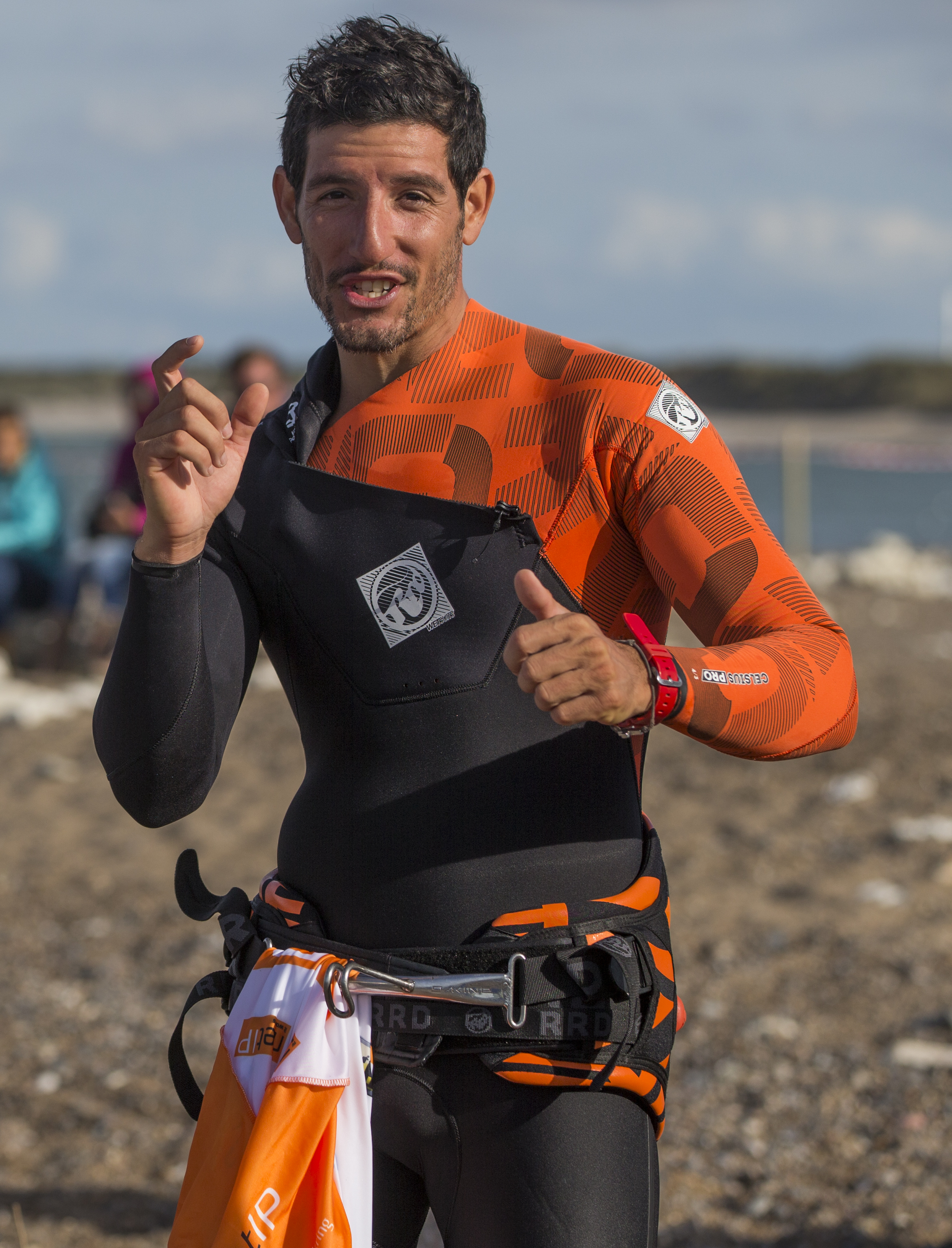
A deep neural network obliterated the ImageNet competition by such a staggering margin that it forced an entire field to abandon its old methods overnight.
-
 The Deep Learning Revolution Research
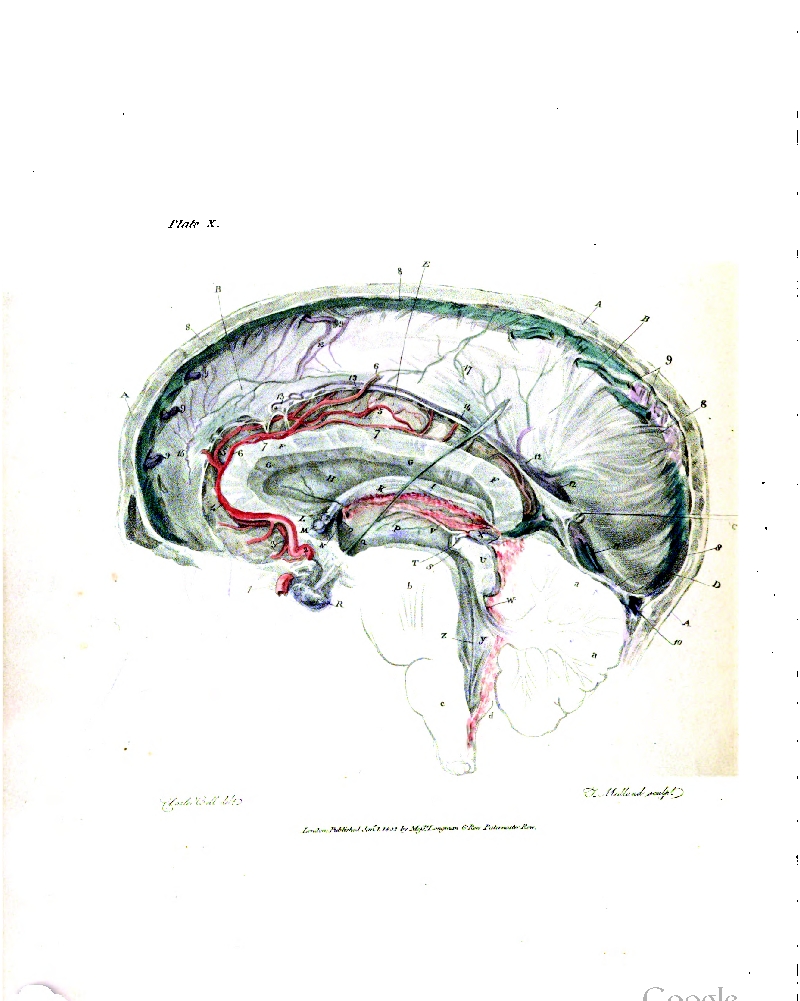
Google's secret project used 16,000 processors to build a neural network that spontaneously learned to recognize cats from unlabeled YouTube videos — proving unsupervised deep learning could discover concepts on its own.
-
 The Deep Learning Revolution Commercial
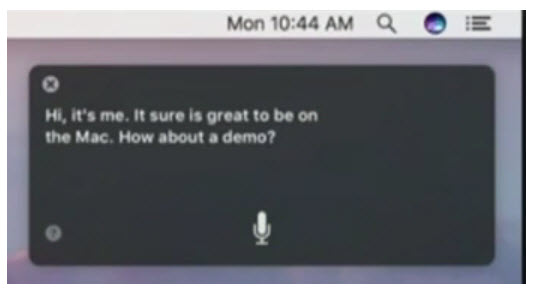
Apple launched Siri on the iPhone 4S, bringing AI out of research labs and into the daily lives of hundreds of millions of people.
-
 The Deep Learning Revolution Commercial
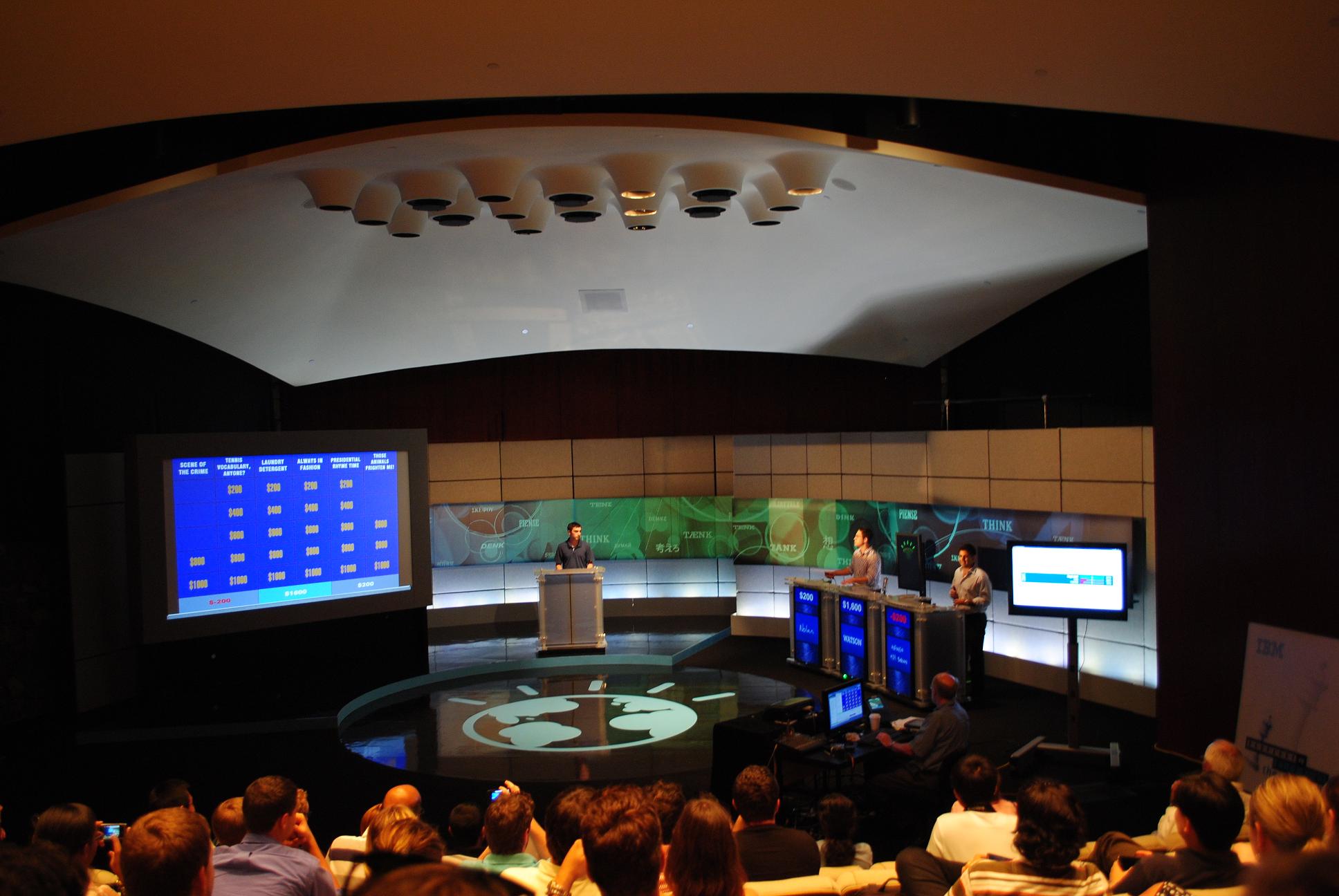
IBM's question-answering system defeated two of the greatest Jeopardy! champions ever, proving machines could master natural language on live television.
-
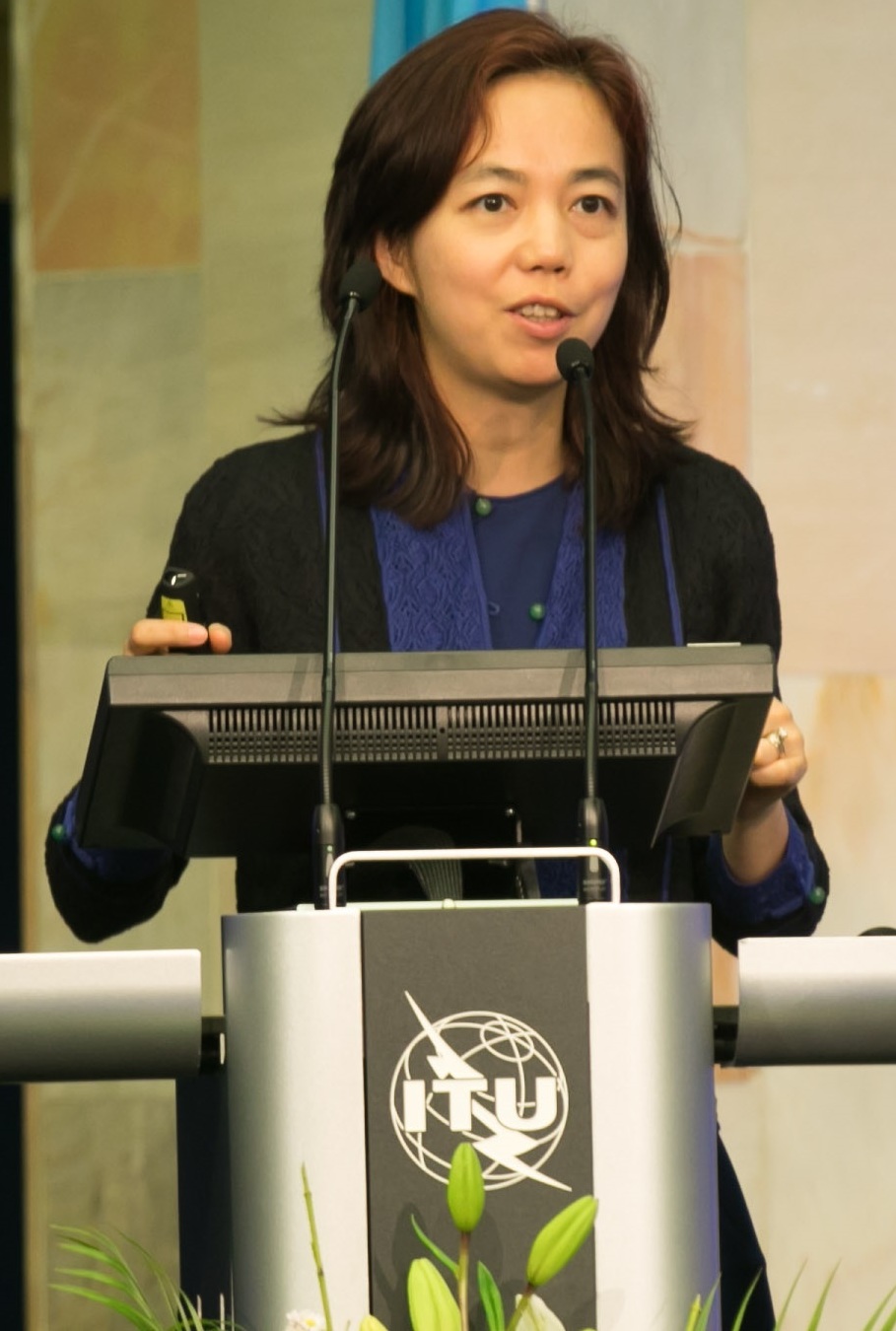
Fei-Fei Li spent three years building a database of 14 million labeled images that became the benchmark igniting the deep learning revolution.
-
 Statistical Learning and Quiet Progress Commercial
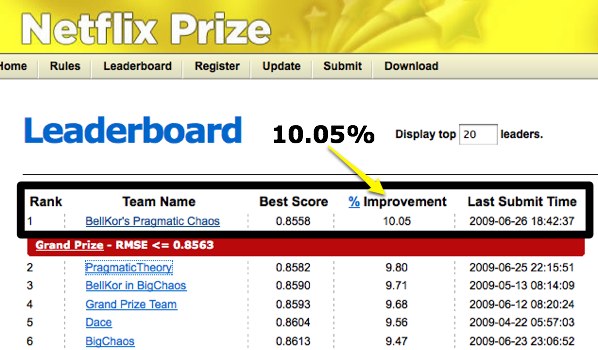
Netflix offered a million dollars to anyone who could improve its recommendation engine by 10%, igniting a global competition that transformed machine learning.
-
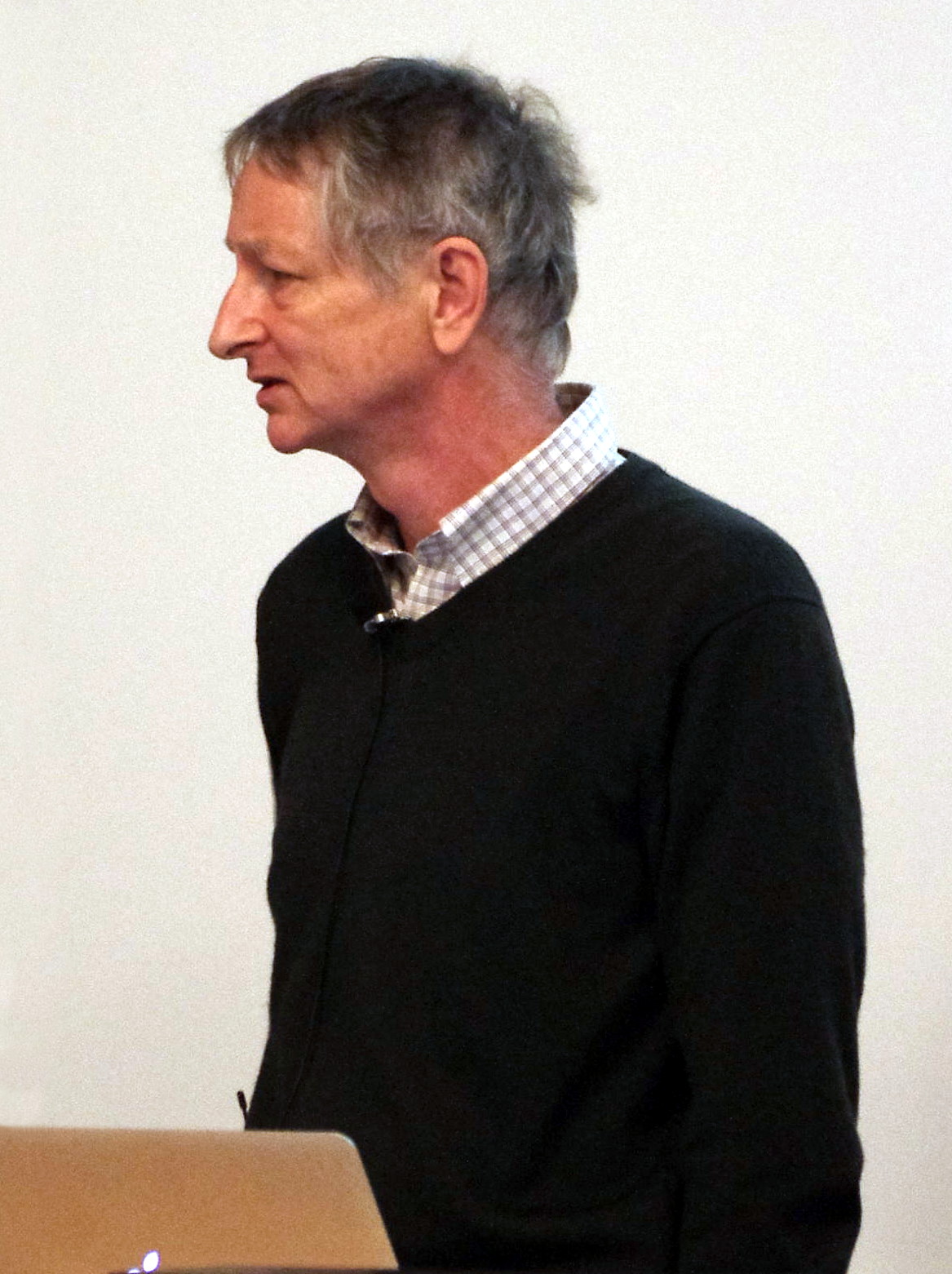
Geoffrey Hinton showed that deep neural networks could be trained layer by layer, reigniting a field that had been written off for decades.
-
 Statistical Learning and Quiet Progress Commercial
Amazon launched Mechanical Turk, a service that quietly put humans inside the loop of AI systems and forced the field to confront who really does the work.
-
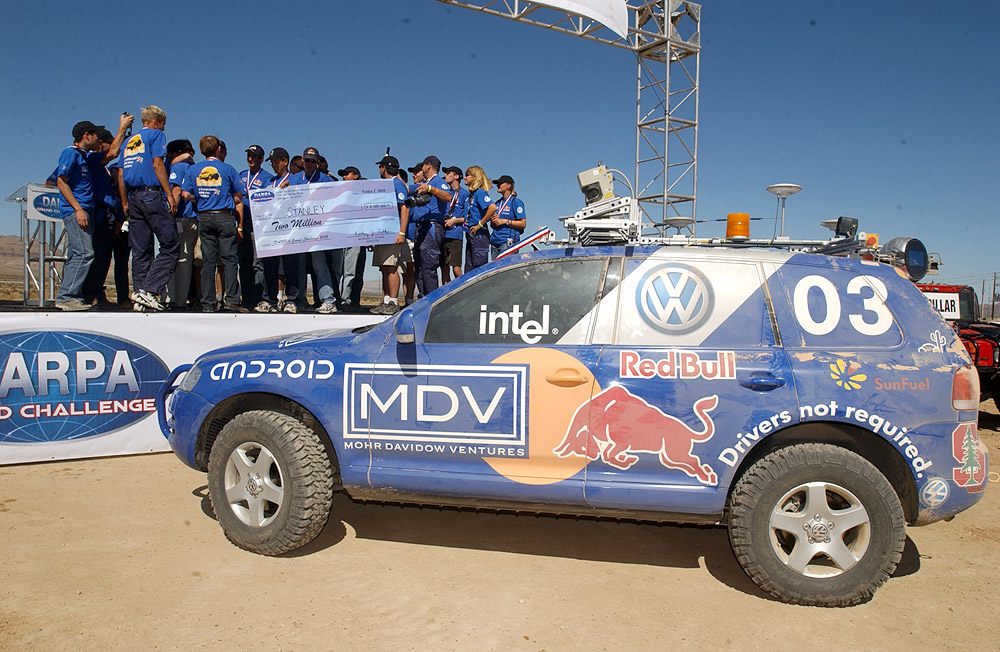
Stanford's Stanley completed a 132-mile autonomous desert race, proving self-driving vehicles were no longer science fiction.
-
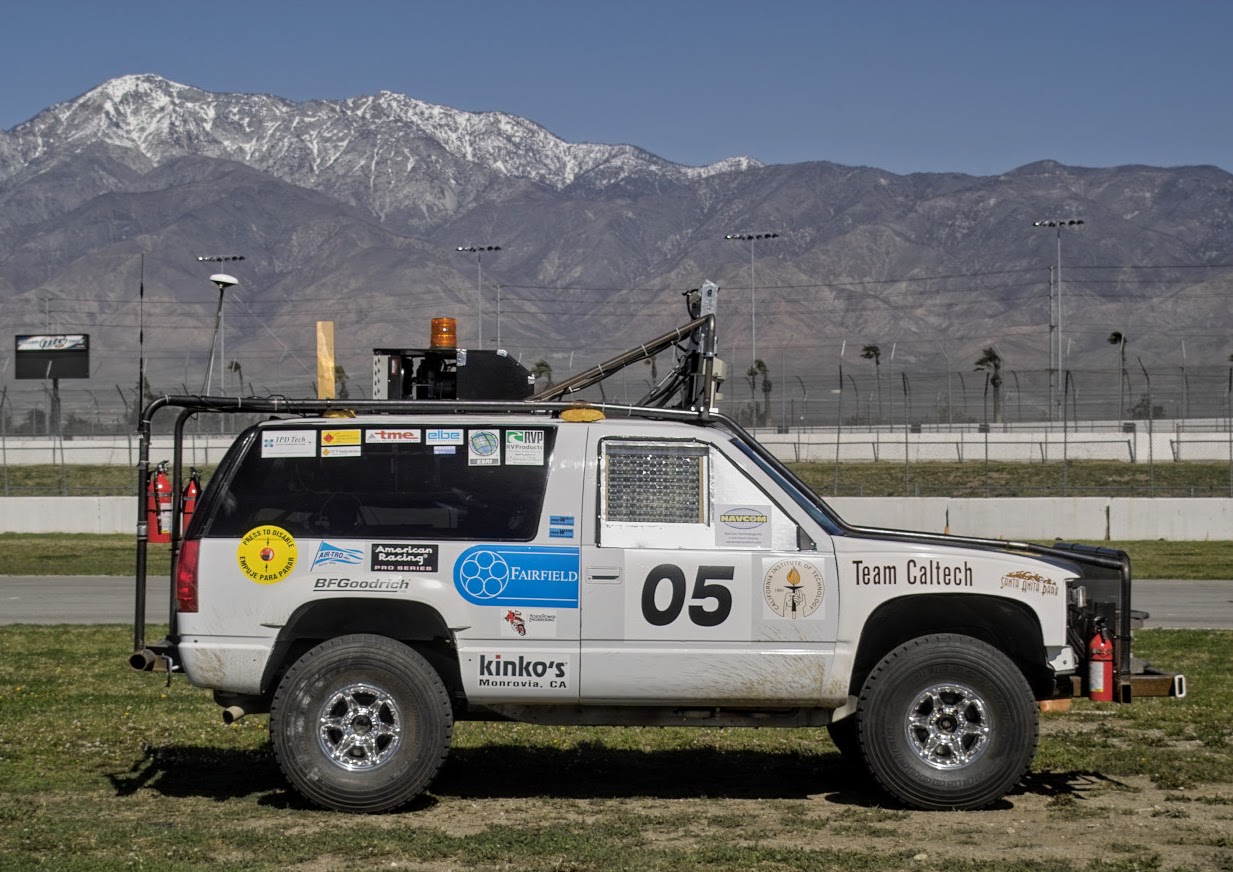
Fifteen autonomous vehicles attempted to cross 142 miles of Mojave Desert — the farthest made it just 7.4 miles, but the spectacular failure launched the self-driving car industry.
-
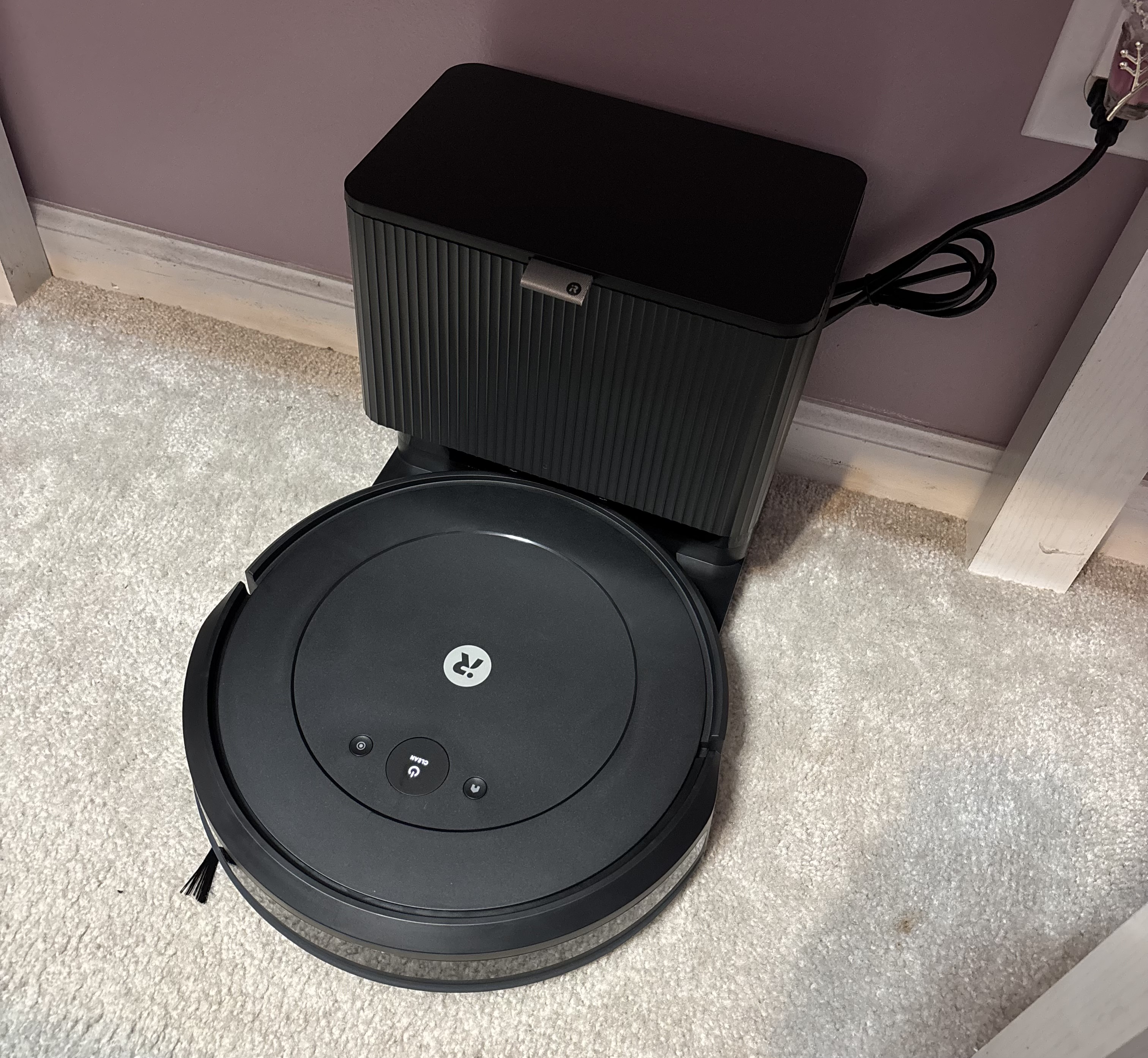
iRobot's Roomba brought autonomous robotics out of labs and onto living room floors, becoming the most commercially successful home robot in history.
-
 Statistical Learning and Quiet Progress Engineering
Paul Graham's 'A Plan for Spam' showed that a simple Bayesian classifier could catch junk email with stunning accuracy, bringing machine learning into the daily lives of millions.
-
Leo Breiman published the Random Forest algorithm, proving that an ensemble of weak, randomized decision trees could outperform the most sophisticated single classifiers.
-
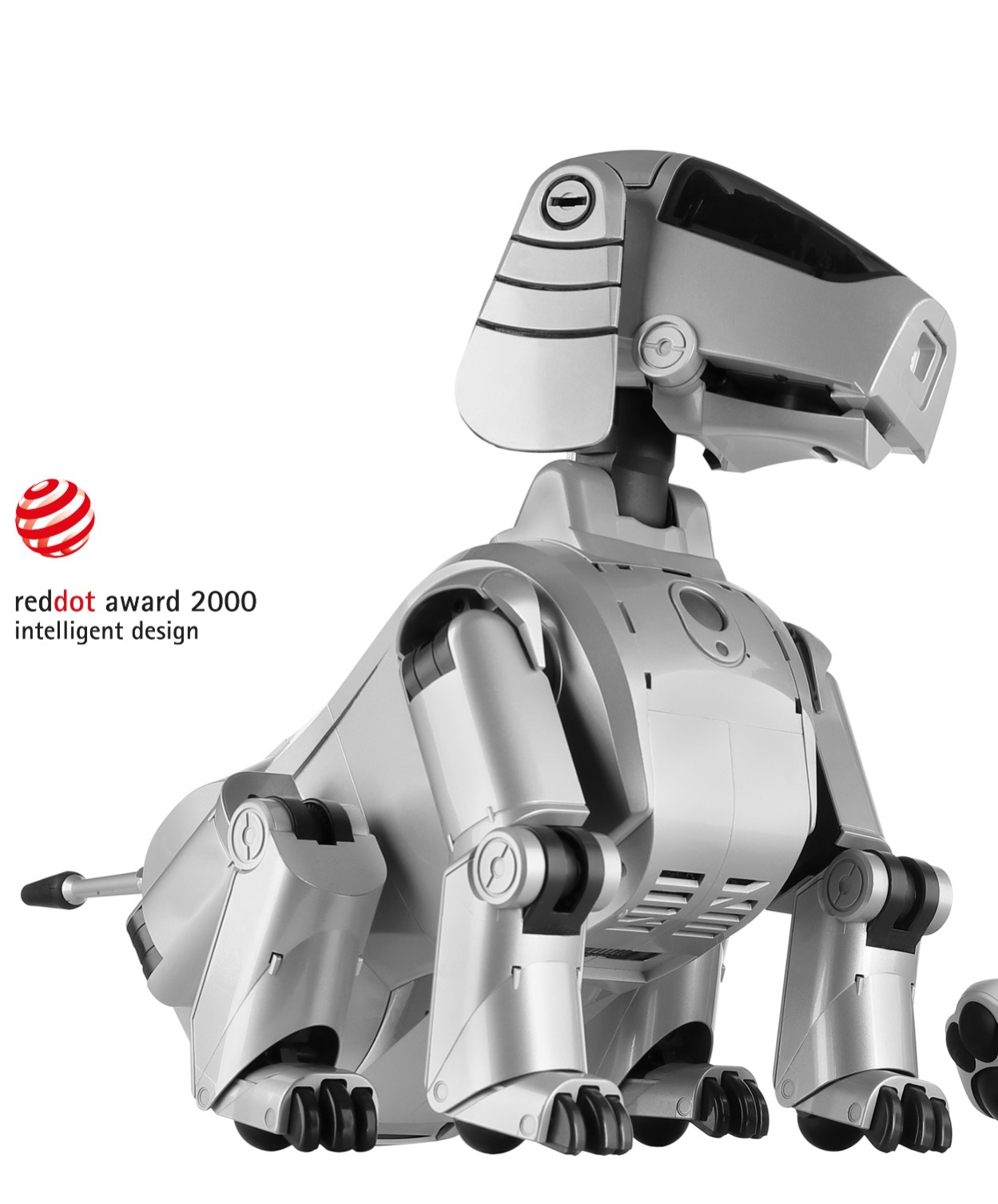
Sony released AIBO, the first consumer robot designed not to work but to be loved, launching the era of emotional robotics.
-
Two researchers in Munich published a paper solving the vanishing gradient problem, quietly laying the foundation for every modern AI that understands sequences.
-
 Statistical Learning and Quiet Progress Engineering
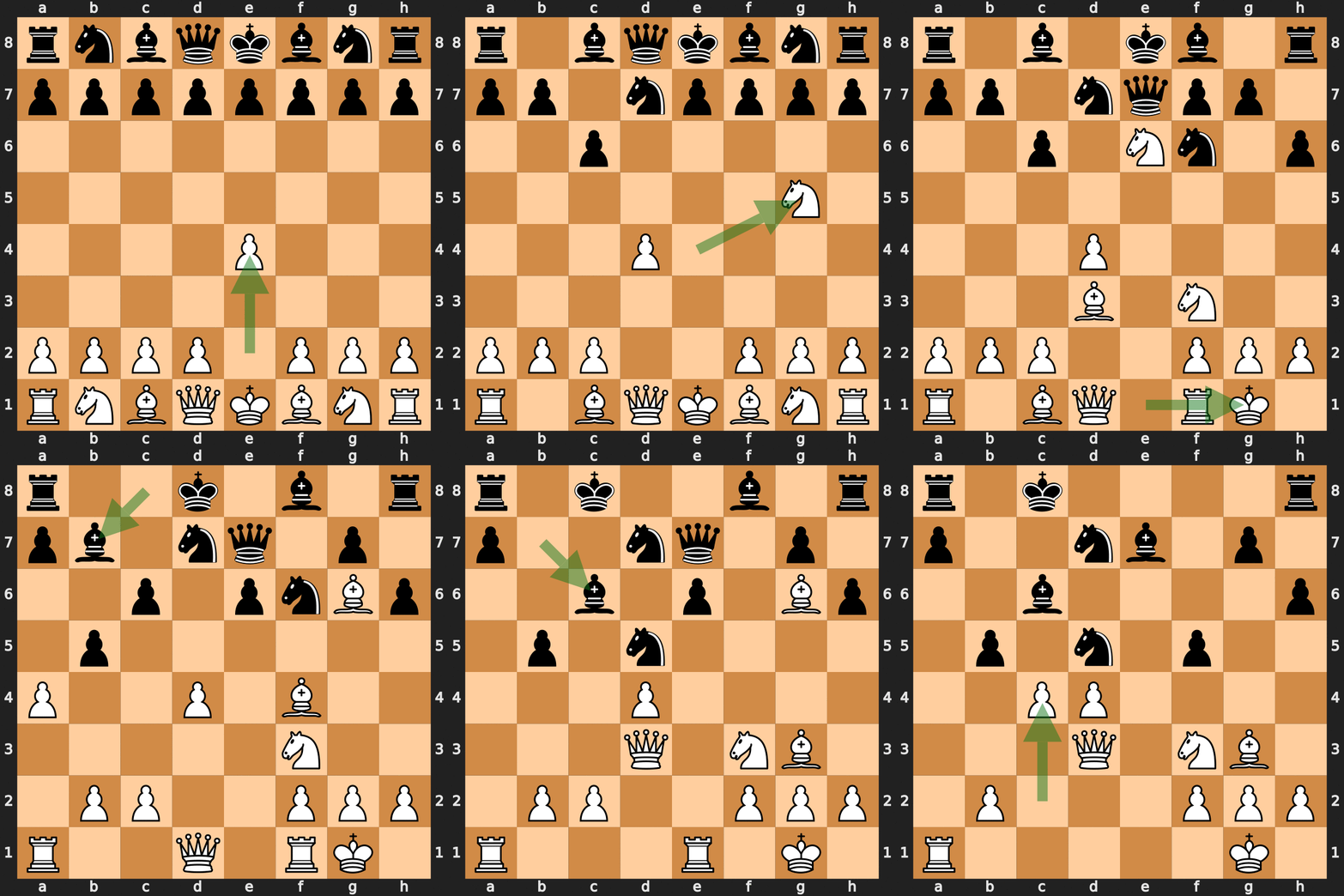
IBM's Deep Blue defeated world chess champion Garry Kasparov in a six-game match, marking the first time a computer beat a reigning champion under standard tournament conditions.
-
1995
Vladimir Vapnik's Support Vector Machine became the most powerful classification algorithm of its era, quietly ruling AI for over a decade before deep learning took the crown.
-
1995Statistical Learning and Quiet Progress Engineering
A minivan steered by a neural network crossed 2,849 miles of American highway, proving self-driving cars were not science fiction.
-
1992
Gerald Tesauro's TD-Gammon taught itself to play backgammon at world-champion level, proving neural networks could discover strategies humans never imagined.
-
 Expert Systems and the Knowledge Boom Philosophy
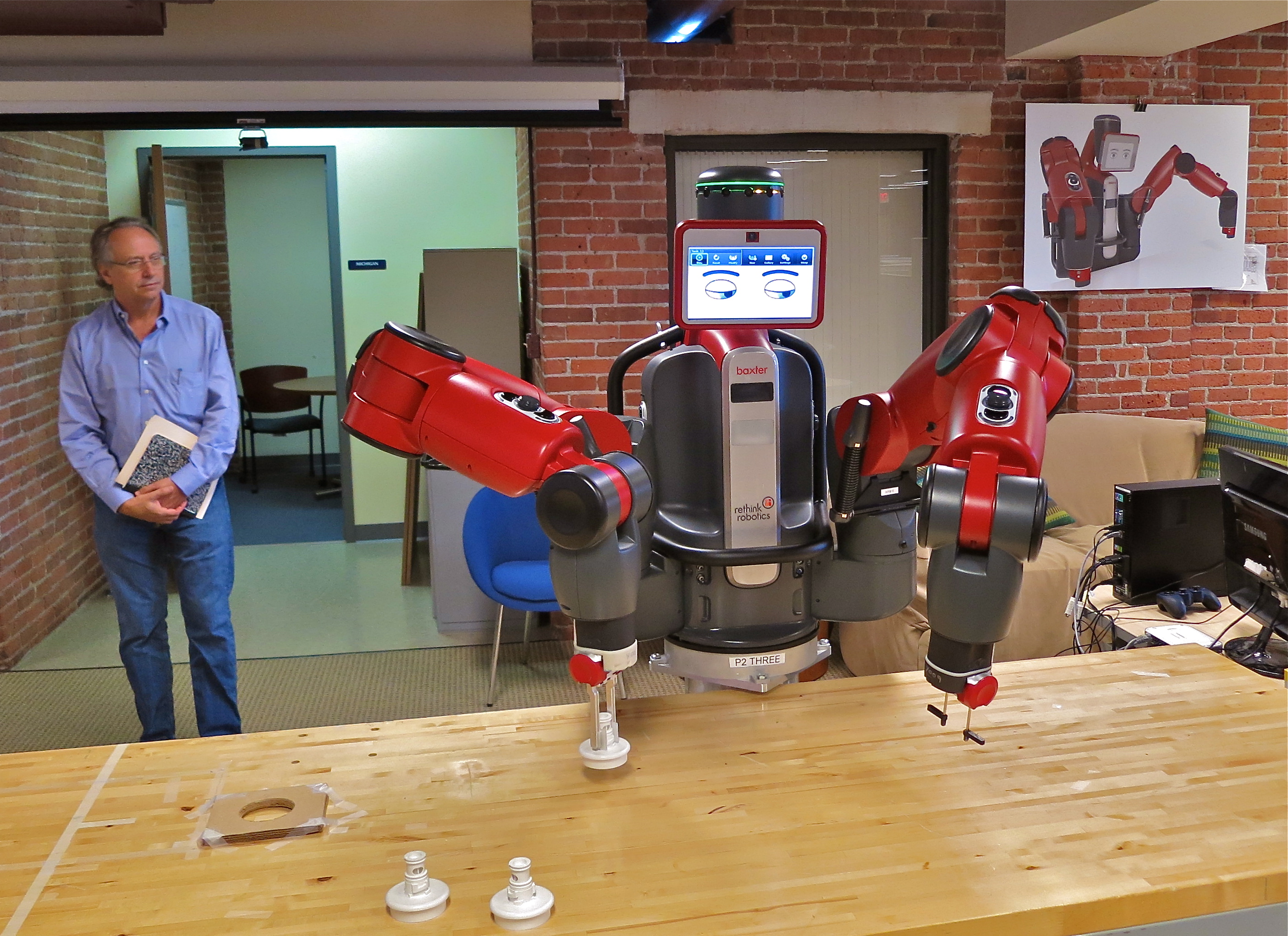
A rebel roboticist published a manifesto arguing that true intelligence doesn't come from abstract reasoning — it comes from having a body in the world.
-
1990
Jeffrey Elman's simple recurrent network showed that neural networks could process sequences and learn grammar, opening the door to modern language AI.
-
1989
Yann LeCun's convolutional neural network learned to read handwritten zip codes, proving that neural networks could solve real-world problems and laying the foundation for modern computer vision.
-
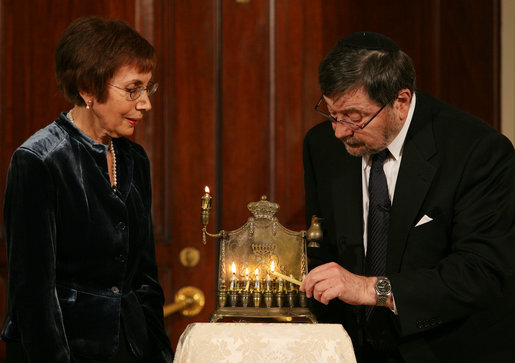
Judea Pearl's Probabilistic Reasoning in Intelligent Systems replaced brittle logic with the mathematics of belief, quietly reshaping AI from the inside out.
-
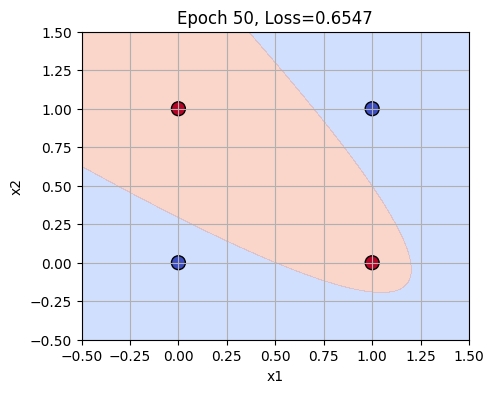
A 1986 Nature paper showed neural networks how to learn by propagating errors backward, reviving a field that had been declared dead.
-
1986
IBM's speech recognition team, led by Fred Jelinek, proved that statistical methods could understand human speech better than any linguistic approach — famously quipping that firing linguists improved the system.
-
 Expert Systems and the Knowledge Boom Philosophy
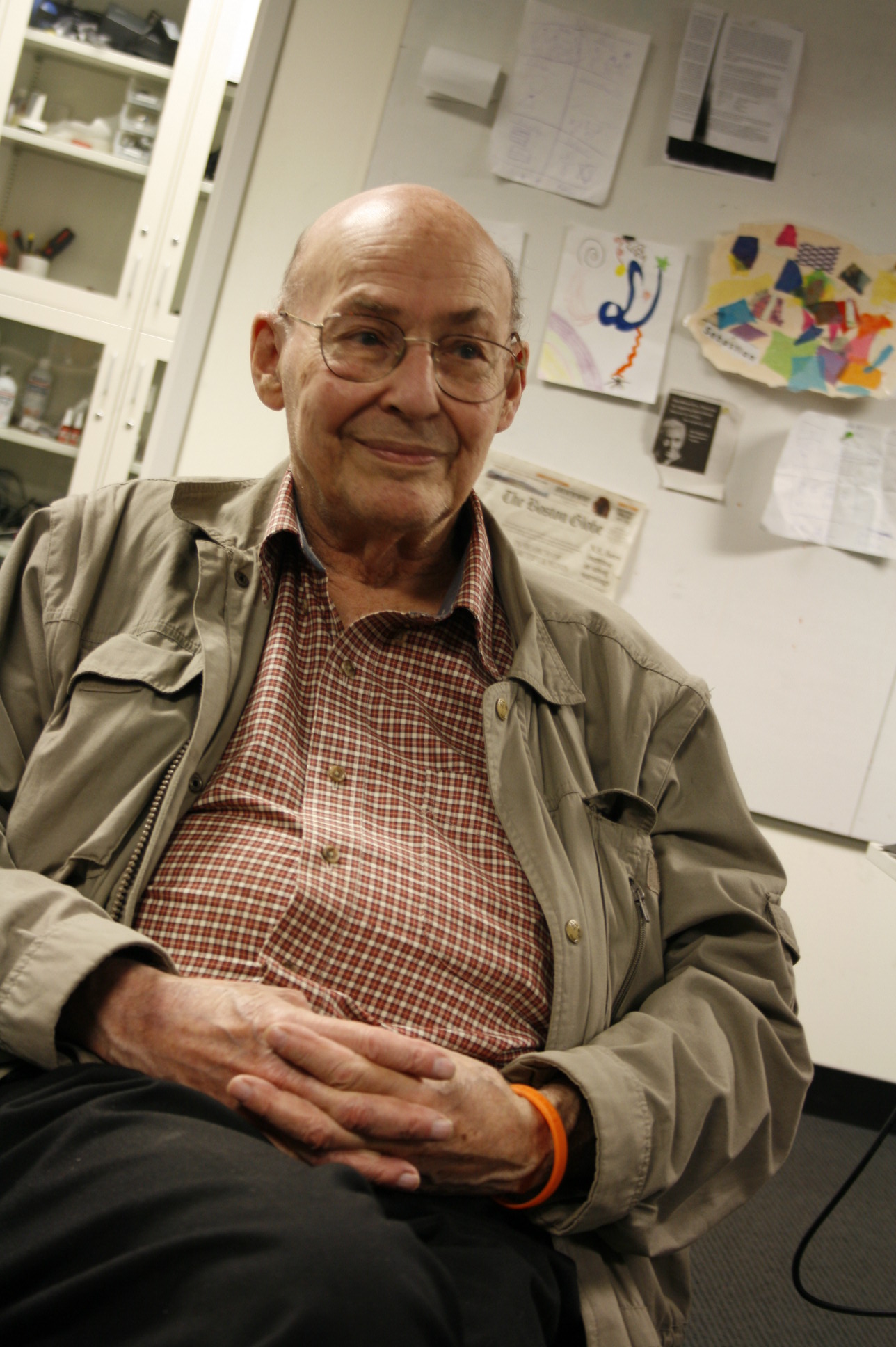
Marvin Minsky proposed that intelligence isn't one thing but a society of tiny mindless agents, reshaping how researchers thought about building thinking machines.
-
 Expert Systems and the Knowledge Boom Commercial
Digital Equipment Corporation's R1/XCON became the first expert system to prove AI could deliver massive commercial value, configuring minicomputers faster and more accurately than any human.
-
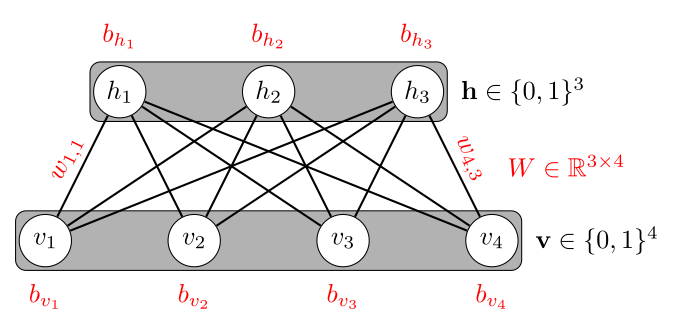
Hinton and Sejnowski invented the Boltzmann machine, a neural network that learned by simulating the random thermal fluctuations of molecules.
-
 Expert Systems and the Knowledge Boom Film & Fiction
James Cameron's The Terminator introduced Skynet to popular culture, permanently shaping public anxiety about artificial intelligence.
-
1984
Doug Lenat launched Cyc, a project to hand-code millions of common-sense facts into a machine — a decades-long bet that AI needed to know what every child knows.
-

Doug Lenat's Eurisko discovered winning strategies by rewriting its own heuristics, dominating a naval wargame so thoroughly the organizers threatened to cancel the competition.
-
 Expert Systems and the Knowledge Boom Film & Fiction
A Hollywood thriller about a teenage hacker and a war-playing AI so alarmed President Reagan that it sparked America's first cybersecurity directive.
-
Japan launched a massive government-funded project to build thinking machines, triggering a global AI arms race that reshaped research funding worldwide.
-
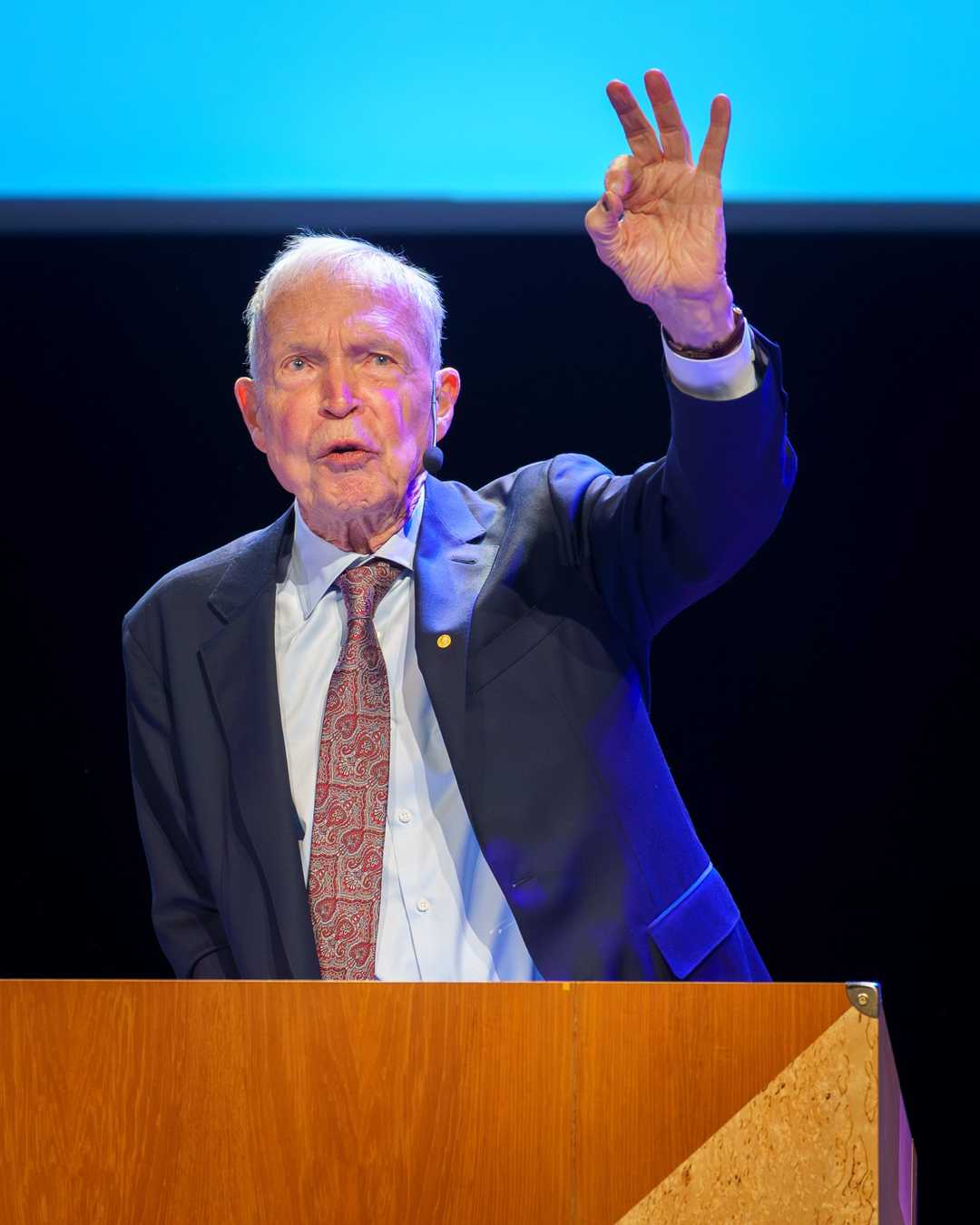
John Hopfield showed that a neural network could store and retrieve patterns like a physical system reaching equilibrium, reviving connectionism from its decade-long exile.
-
 The First AI Winter Philosophy
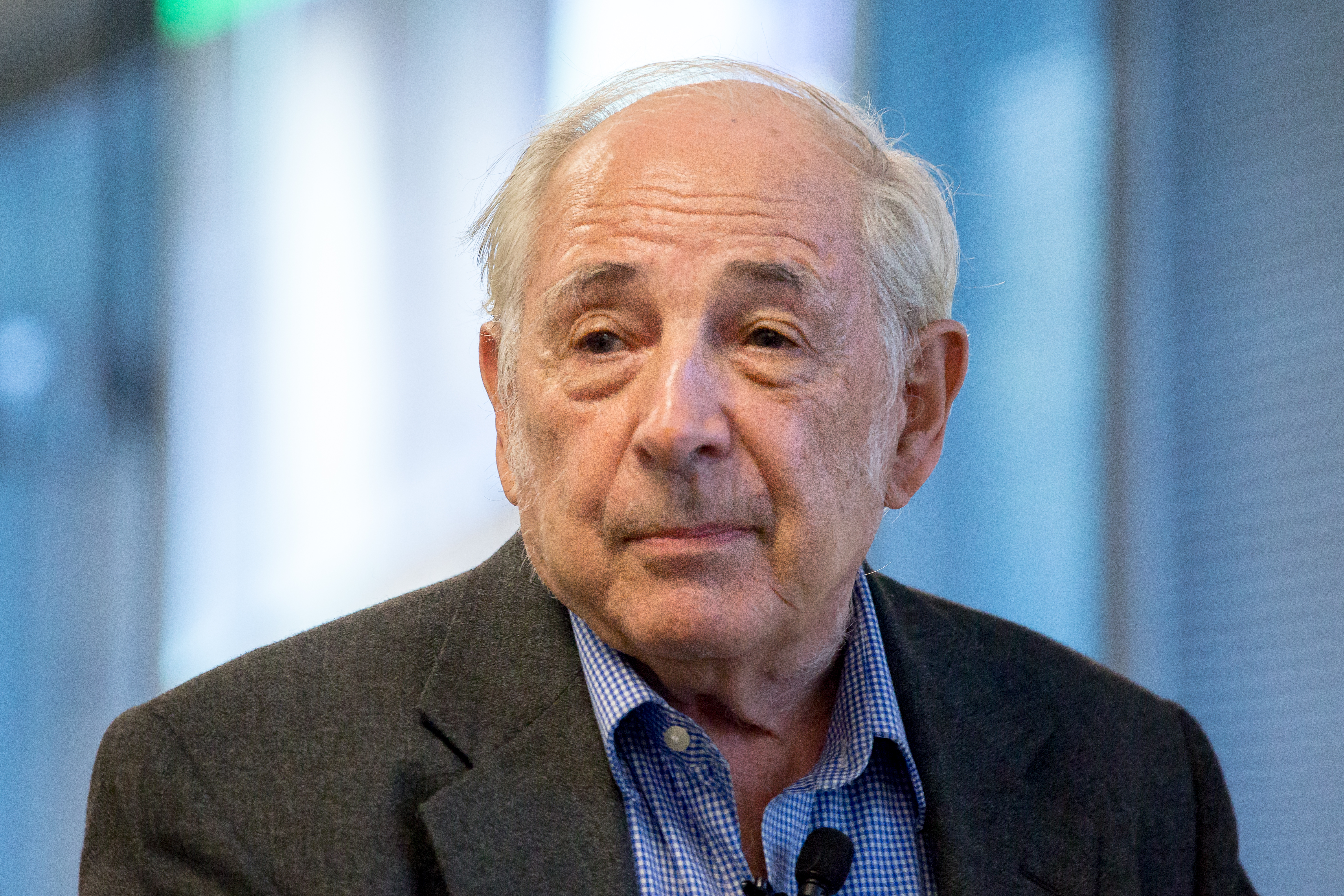
Philosopher John Searle argued that no computer could ever truly understand language, igniting a debate that still rages today.
-
1979The First AI Winter Robotics
A wobbly Stanford robot took five hours to navigate a chair-filled room, becoming one of the first machines to see and move autonomously.
-
1976The First AI Winter Research
A Stanford AI diagnosed blood infections more accurately than most physicians — then was quietly shelved because no one knew who to blame if it was wrong.
-
 The First AI Winter Philosophy
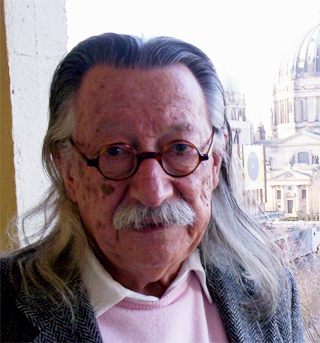
Joseph Weizenbaum published Computer Power and Human Reason, warning that his own ELIZA experiment revealed a dangerous human willingness to trust machines with intimate decisions.
-
1973The First AI Winter Policy
A devastating government review by mathematician James Lighthill declared most AI research a failure, triggering funding cuts that plunged the field into its first winter.
-
1970The First AI Winter Research
Terry Winograd's SHRDLU could hold a conversation about colored blocks — and fooled everyone into thinking language was solved.
-
 The Dawn of AI Research
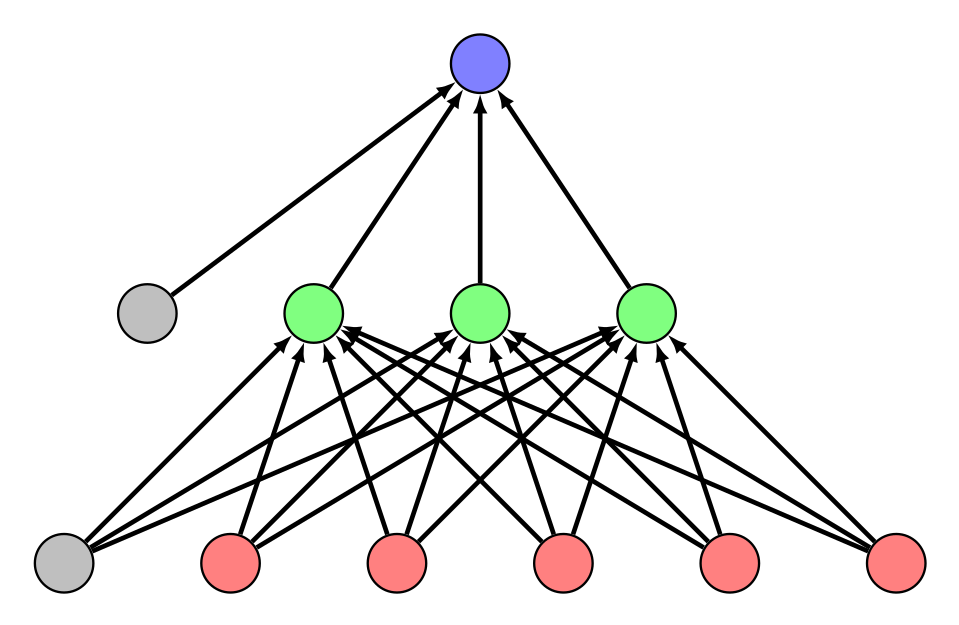
Minsky and Papert's rigorous mathematical critique of perceptrons convinced a generation of researchers to abandon neural networks, triggering a funding drought that lasted over a decade.
-
 The Dawn of AI Film & Fiction
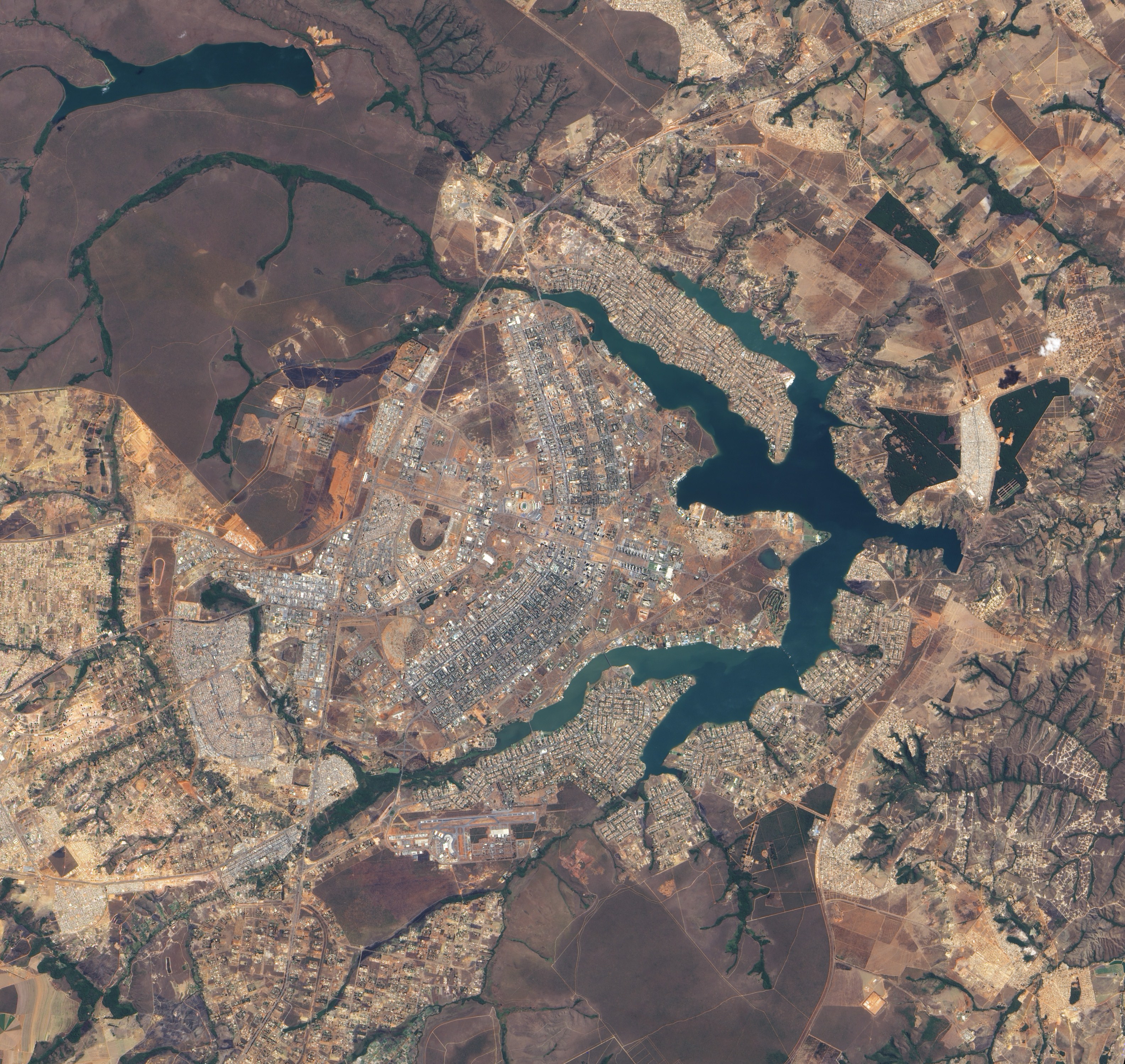
Stanley Kubrick's 2001: A Space Odyssey introduced audiences to a terrifyingly calm artificial intelligence, shaping public fears and expectations about AI for decades.
-
 The Dawn of AI Robotics
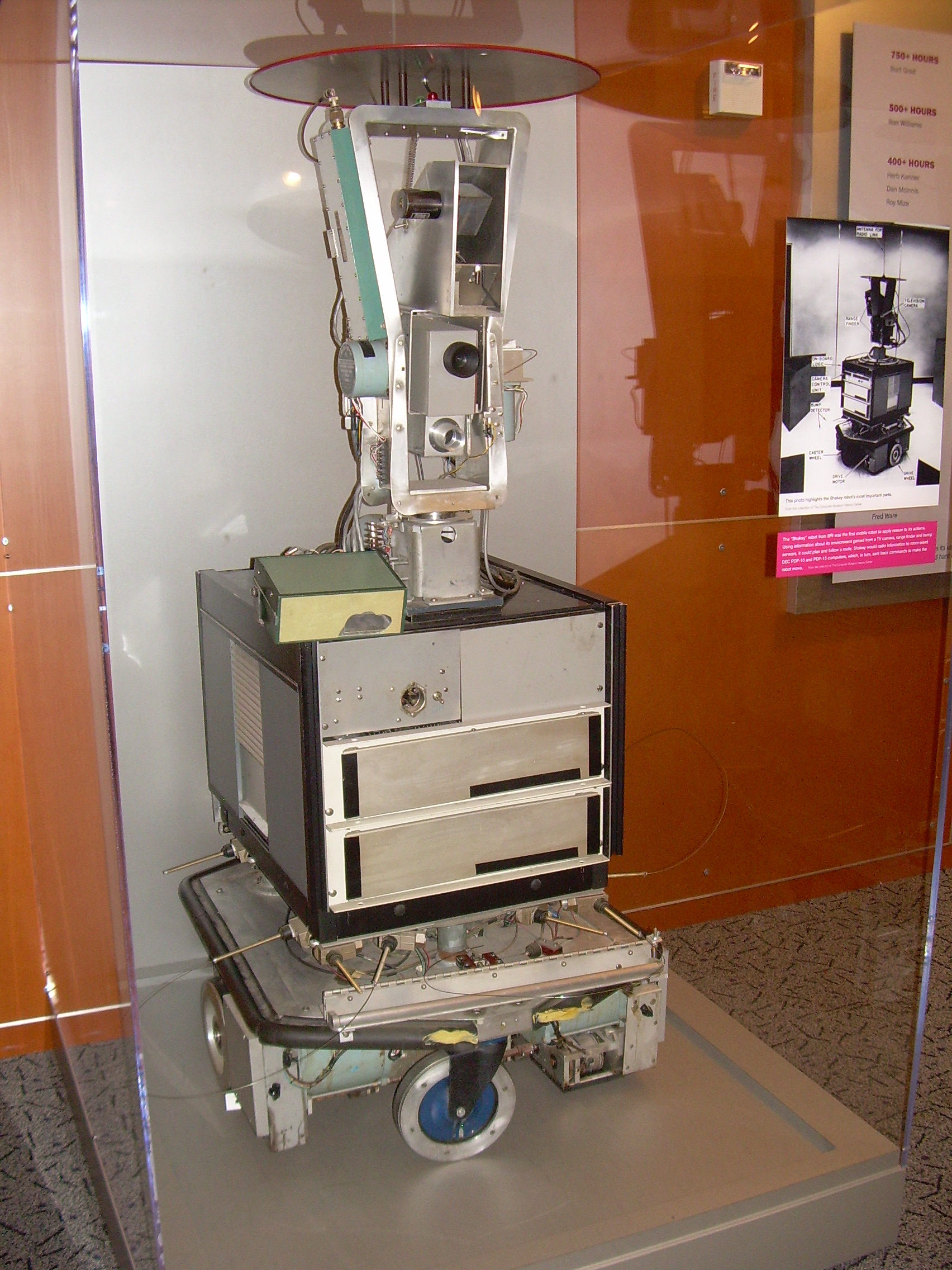
SRI International built Shakey, the first mobile robot that could perceive its environment, plan a sequence of actions, and reason about how to carry them out — proving machines could operate autonomously in the real world.
-
 The Dawn of AI Research
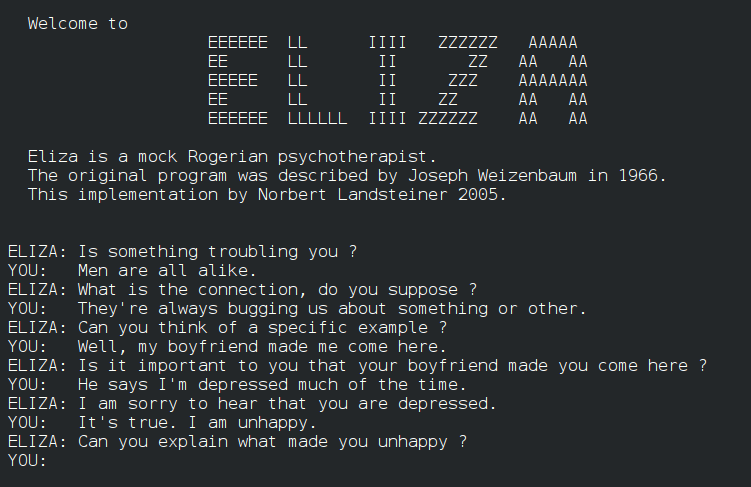
A simple pattern-matching program fooled people into pouring out their hearts to a machine, revealing unsettling truths about human psychology.
-
1965The Dawn of AI Research
Stanford researchers built the first expert system, proving machines could rival specialists by encoding scientific knowledge as rules.
-
1962The Dawn of AI Engineering
IBM's Shoebox demonstrated real-time speech recognition at the 1962 World's Fair, showing the public that machines could listen and respond to human voices.
-
 The Dawn of AI Robotics
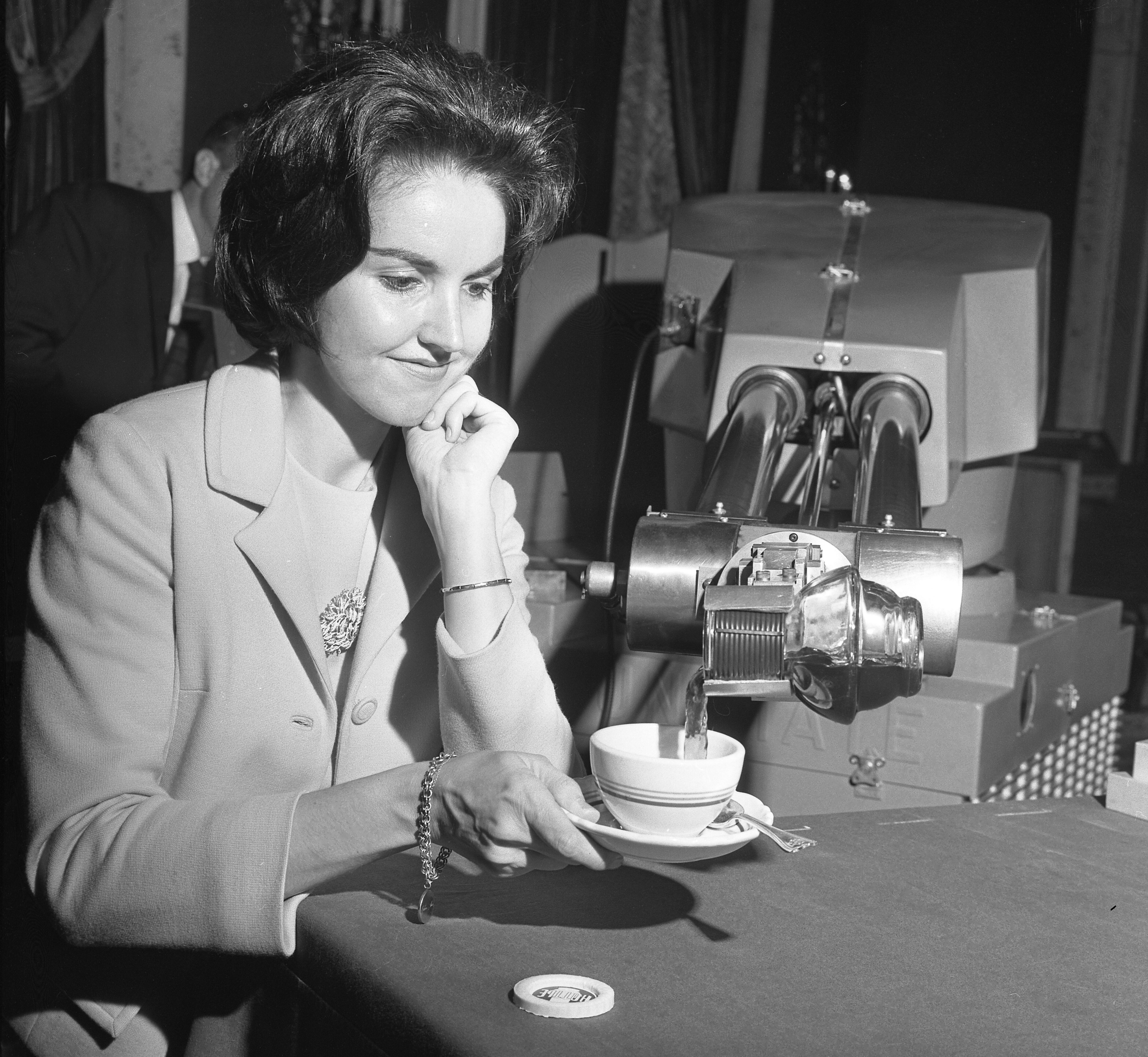
In 1961, a 4,000-pound mechanical arm named Unimate became the first industrial robot to work on an assembly line, forever changing manufacturing.
-
 The Dawn of AI Engineering
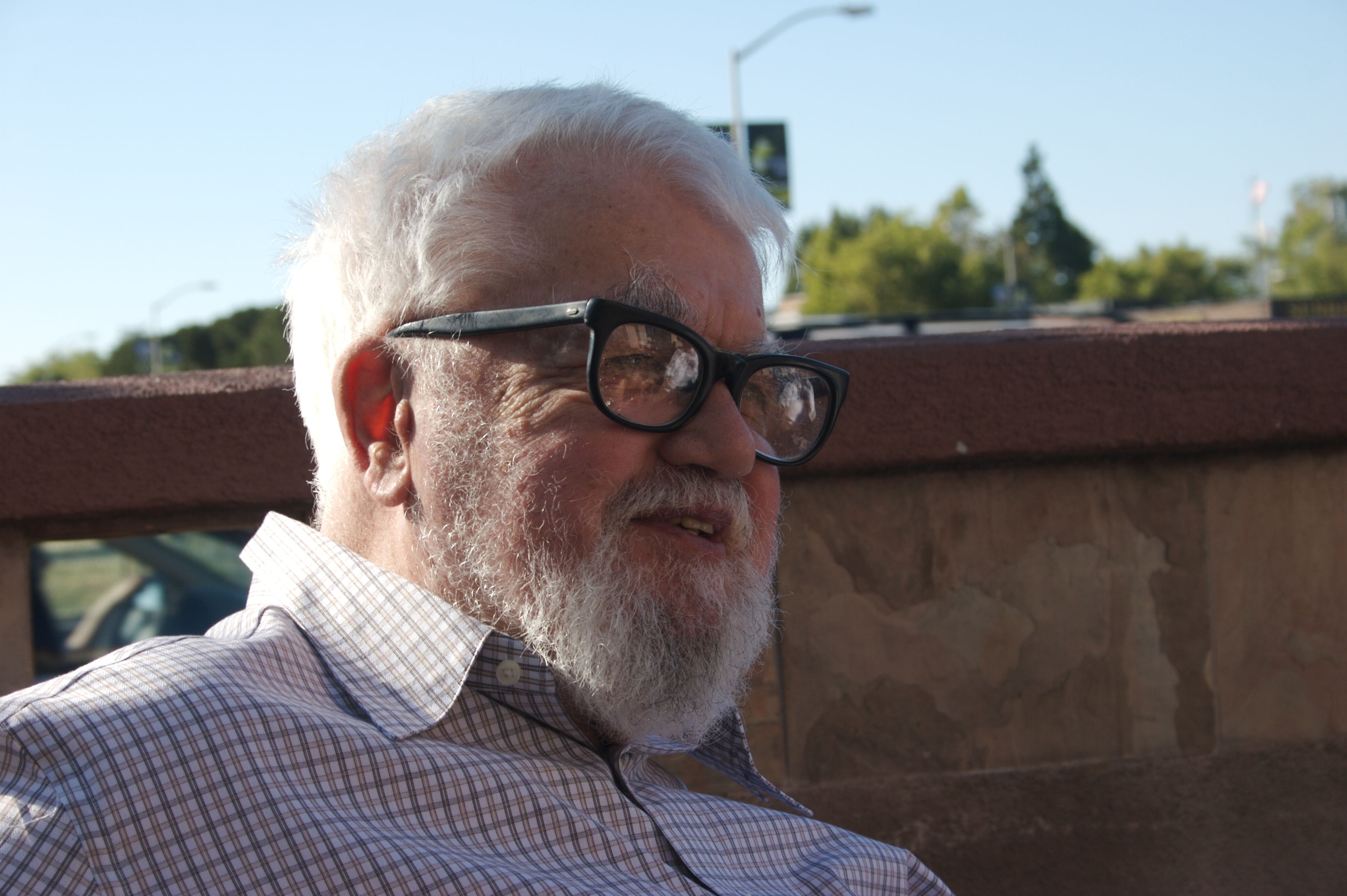
John McCarthy invented LISP, a radical programming language built on pure mathematics that became the lingua franca of artificial intelligence research for three decades.
-
1959The Dawn of AI Research
Arthur Samuel's self-improving checkers program coined the term 'machine learning' and proved a computer could surpass its own creator.
-
 The Dawn of AI Research
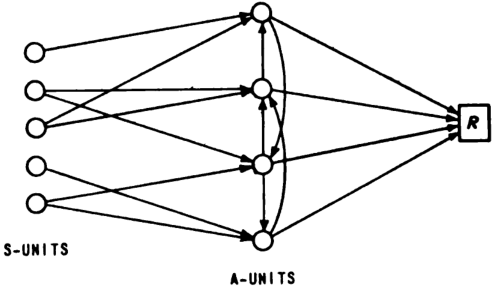
A Cornell psychologist built the first neural network hardware, sparking a media frenzy and a dream that machines could truly learn.
-
 The Dawn of AI Research
A small workshop at Dartmouth College coined the term 'artificial intelligence' and launched an entire field of research.
-
 The Theoretical Foundations Research
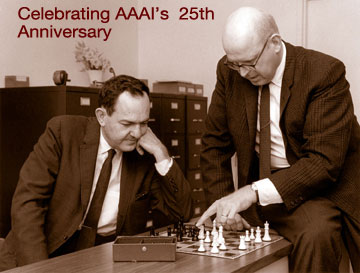
Months before the Dartmouth Conference coined 'artificial intelligence,' the Logic Theorist became the first program to autonomously prove mathematical theorems — and one of its proofs was more elegant than the human original.
-
1951The Theoretical Foundations Engineering
Two Princeton graduate students wired together 3,000 vacuum tubes and surplus autopilot components from B-24 bombers to build the first machine that learned like a network of neurons.
-
 The Theoretical Foundations Philosophy
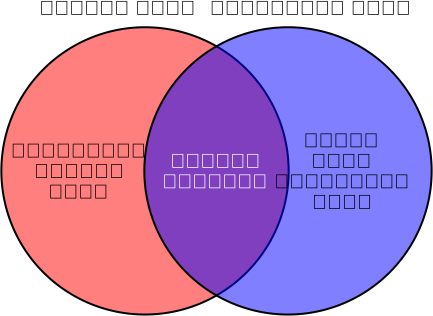
Alan Turing published the paper that reframed the oldest question in AI and gave the field its most famous test.
-
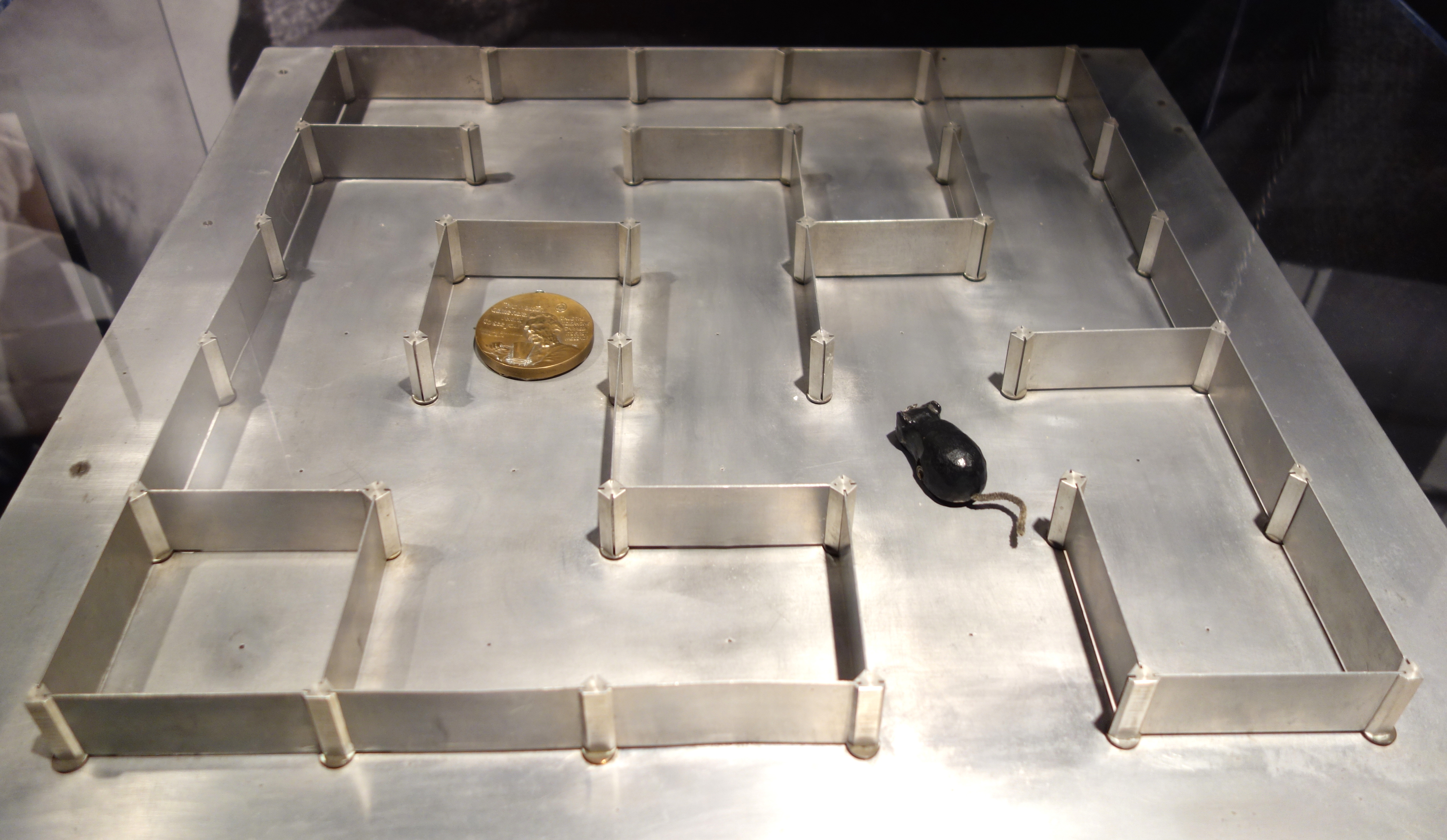 The Theoretical Foundations Engineering
Claude Shannon built an electromechanical mouse that could navigate a maze through trial and error, becoming one of the first physical demonstrations of machine learning.
-
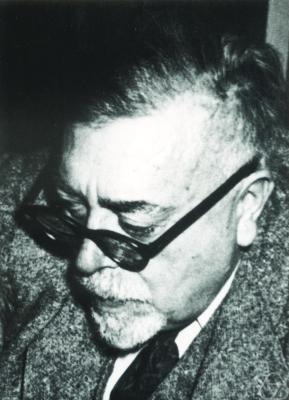 The Theoretical Foundations Research
Norbert Wiener published Cybernetics, coining the science of communication and control that would become AI's intellectual scaffolding.
-
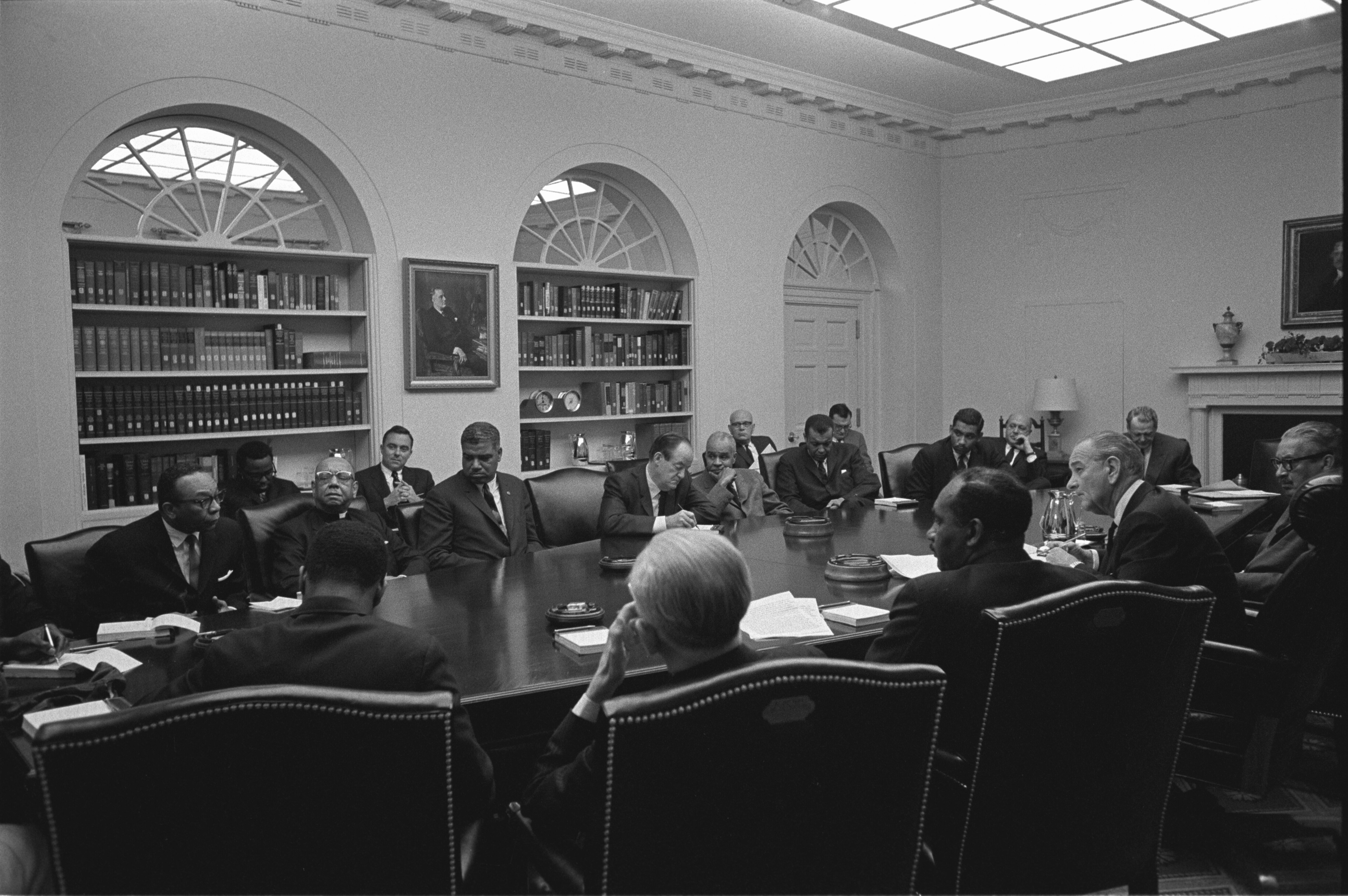 The Theoretical Foundations Research
Two scientists fused logic and neuroscience into a mathematical model of the brain, laying the theoretical bedrock for every neural network to come.
-
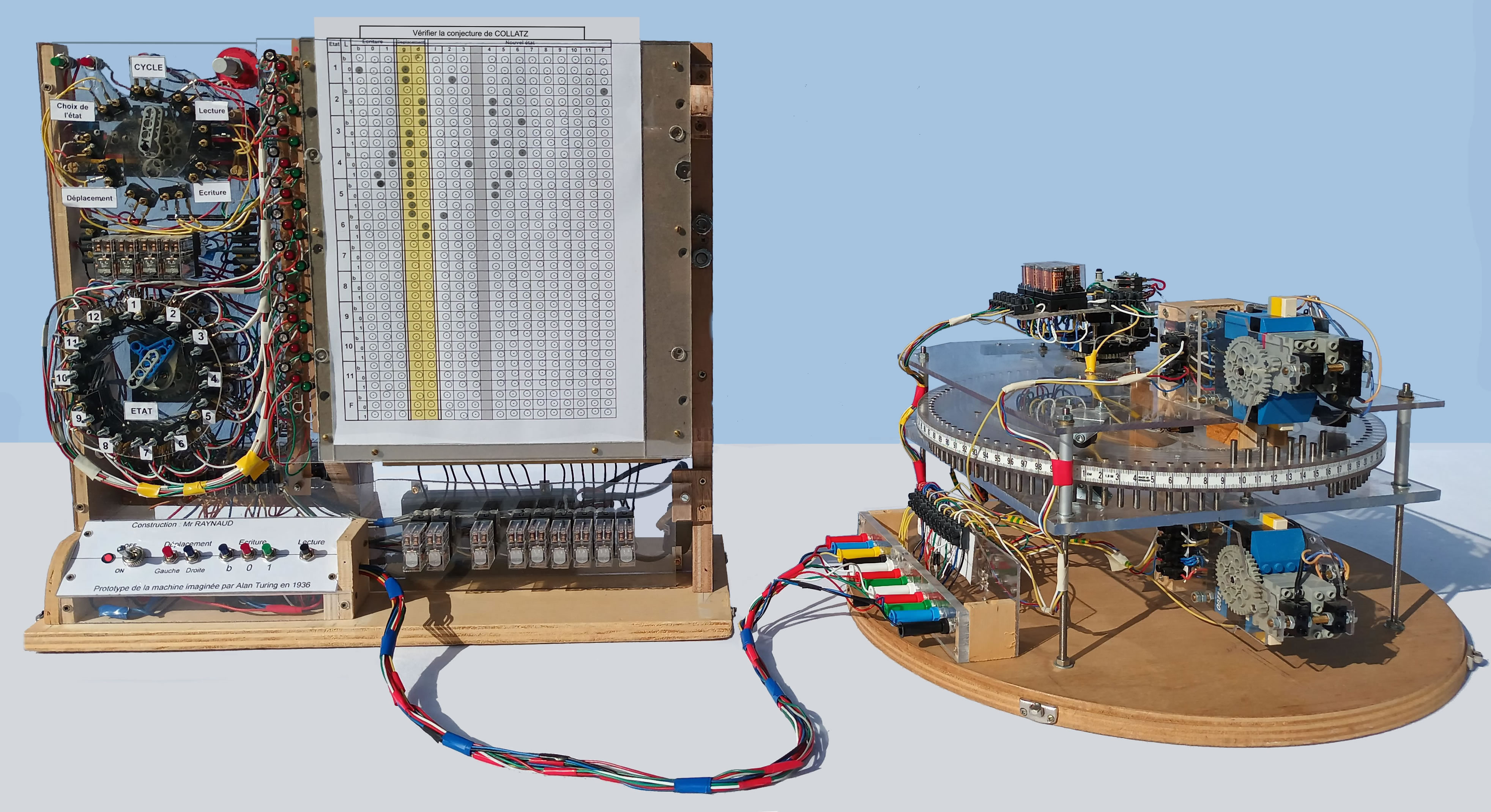 The Theoretical Foundations Research
A 24-year-old mathematician imagined a universal machine on paper, laying the theoretical foundation for every computer — and every AI — that would follow.
-
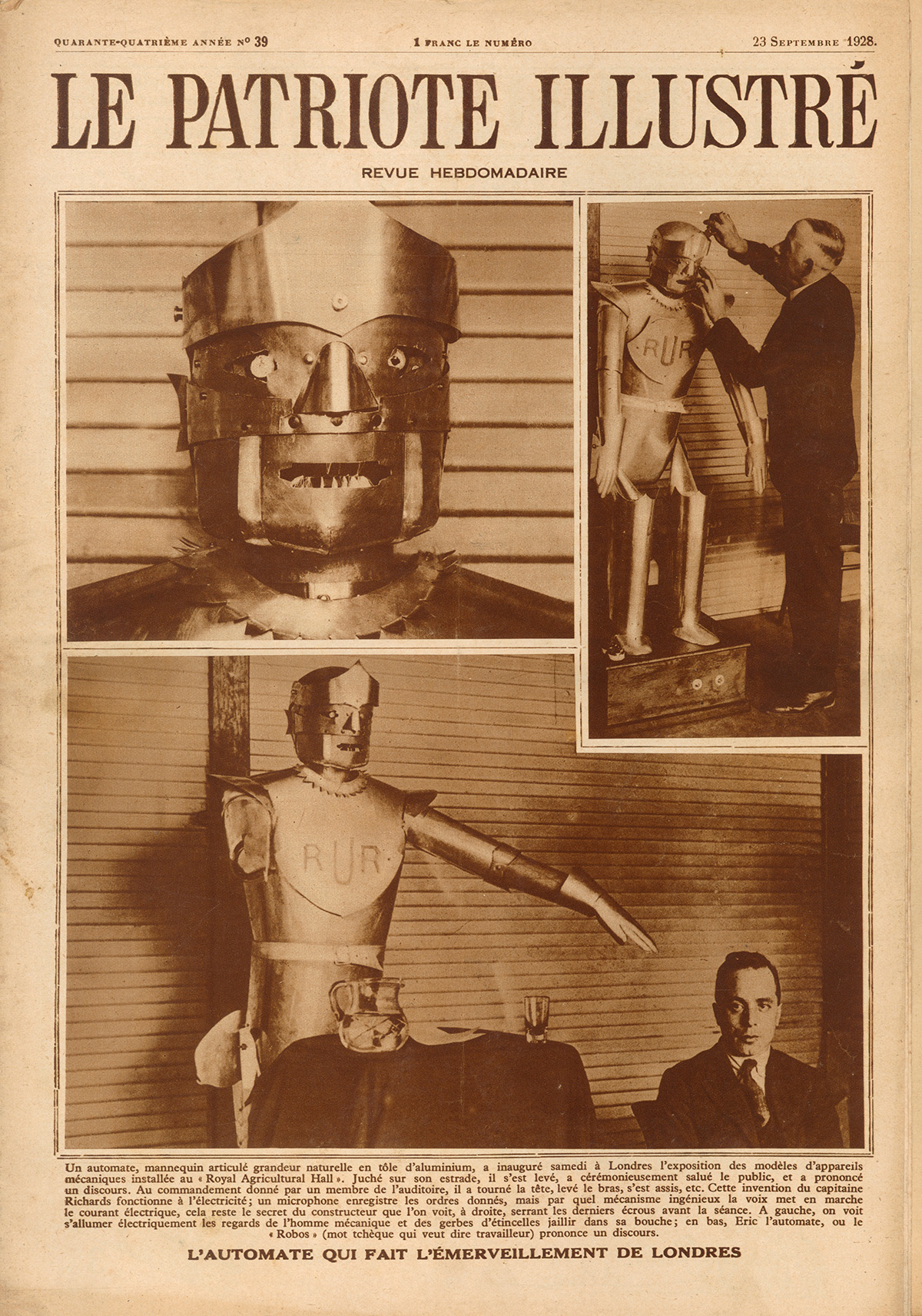 The Theoretical Foundations Film & Fiction
Karel Čapek's R.U.R. premiered in Prague, introducing the word 'robot' to every language on Earth.
-
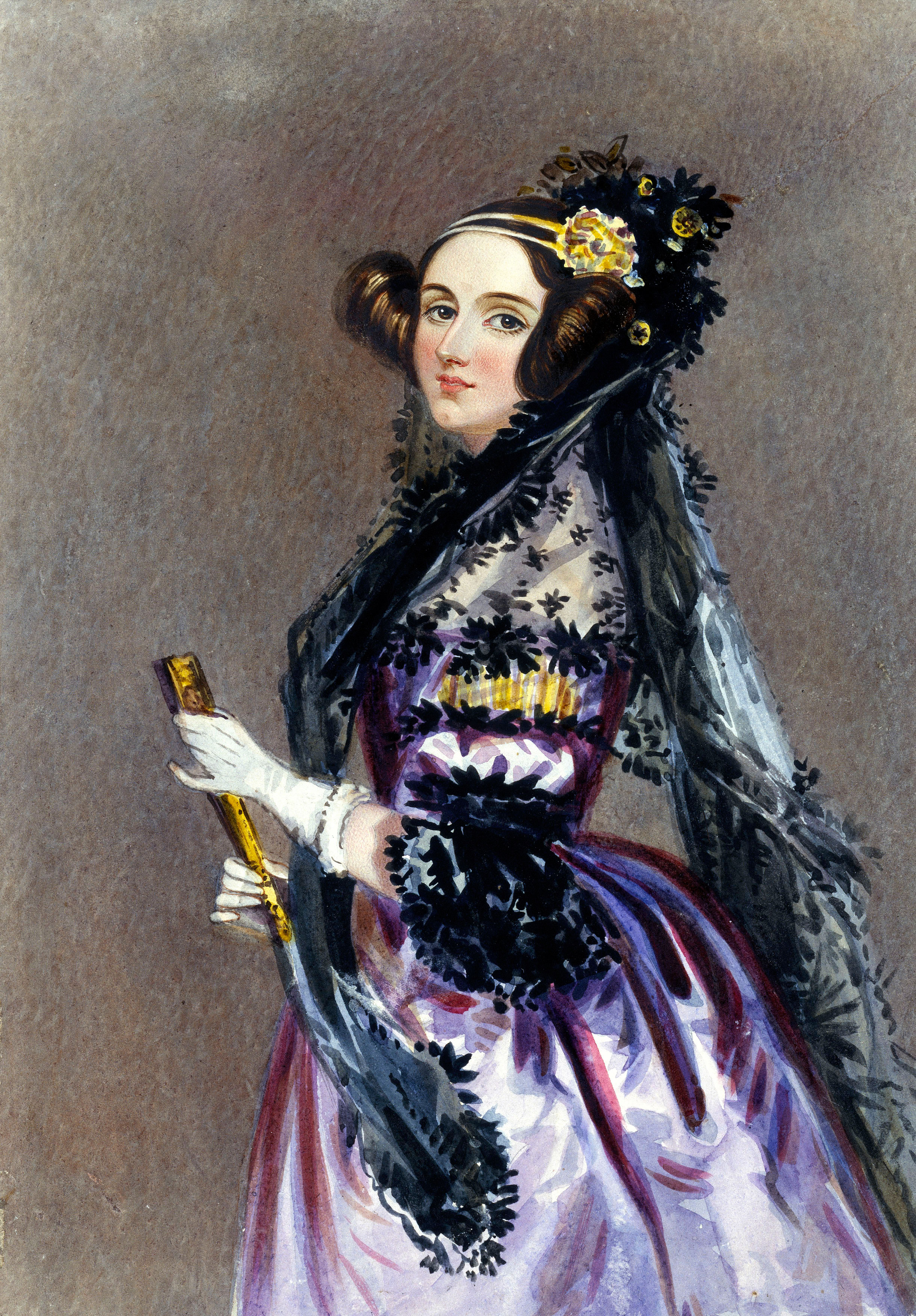 The Theoretical Foundations Philosophy
Ada Lovelace published the first computer program and foresaw that machines might one day compose music — then warned they could never truly think.
-
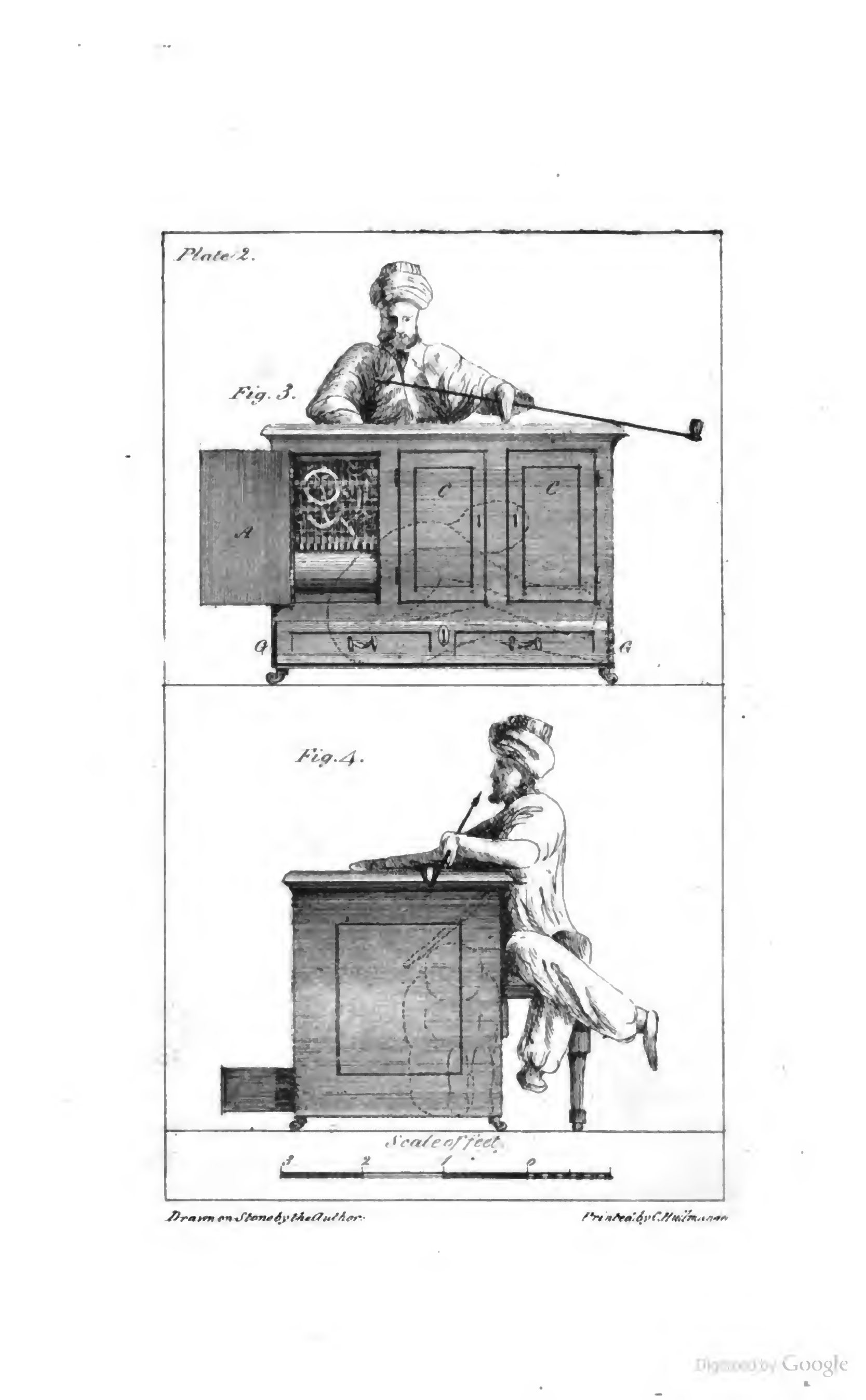
Wolfgang von Kempelen's chess-playing automaton fooled Europe for decades and planted the seed of machine intelligence in the public imagination.