The Paper That Invented the Artificial Neuron
Two scientists fused logic and neuroscience into a mathematical model of the brain, laying the theoretical bedrock for every neural network to come.
Series: Johnson White House Photographs, 11/22/1963 - 1/20/1969 Collection: White House Photo Office Collection, 11/22/1963 - 1/20/1969 / Public domain
Anything that can be exhaustively and unambiguously described, anything that can be completely and unambiguously put into words, is ipso facto realizable by a suitable finite neural network.
— Warren McCulloch
The Paper That Invented the Artificial Neuron (1943)
In 1943, Warren McCulloch and Walter Pitts published a groundbreaking paper that laid the foundation for artificial neurons, a cornerstone of modern artificial intelligence.
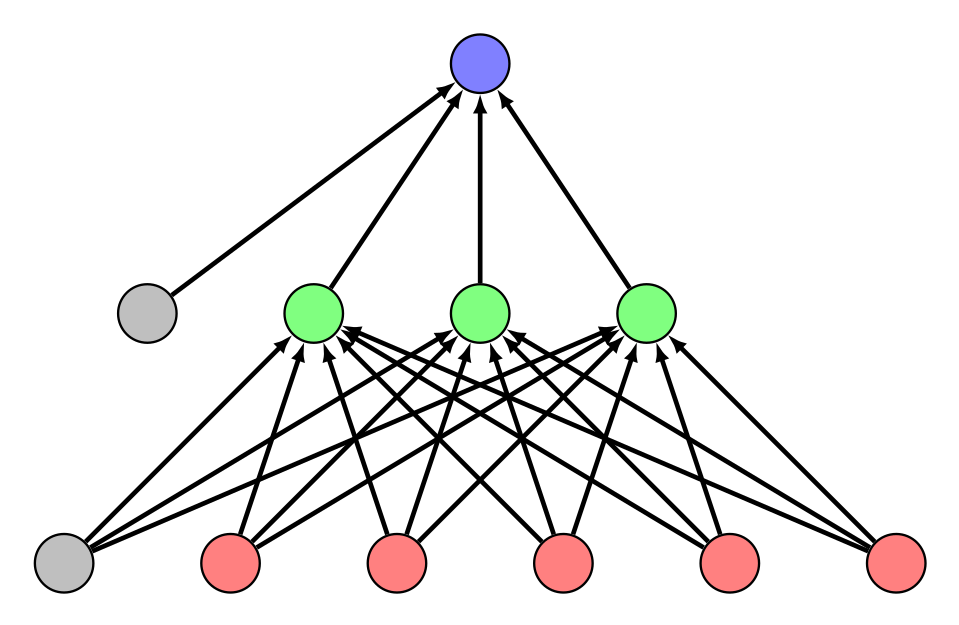
What happened: In 1943, Warren McCulloch and Walter Pitts wrote A Logical Calculus of the Ideas Immanent in Nervous Activity, published in The Bulletin of Mathematical Biophysics. This paper introduced the concept of artificial neurons, which are simplified models of biological neurons capable of performing logical operations. Wikipedia
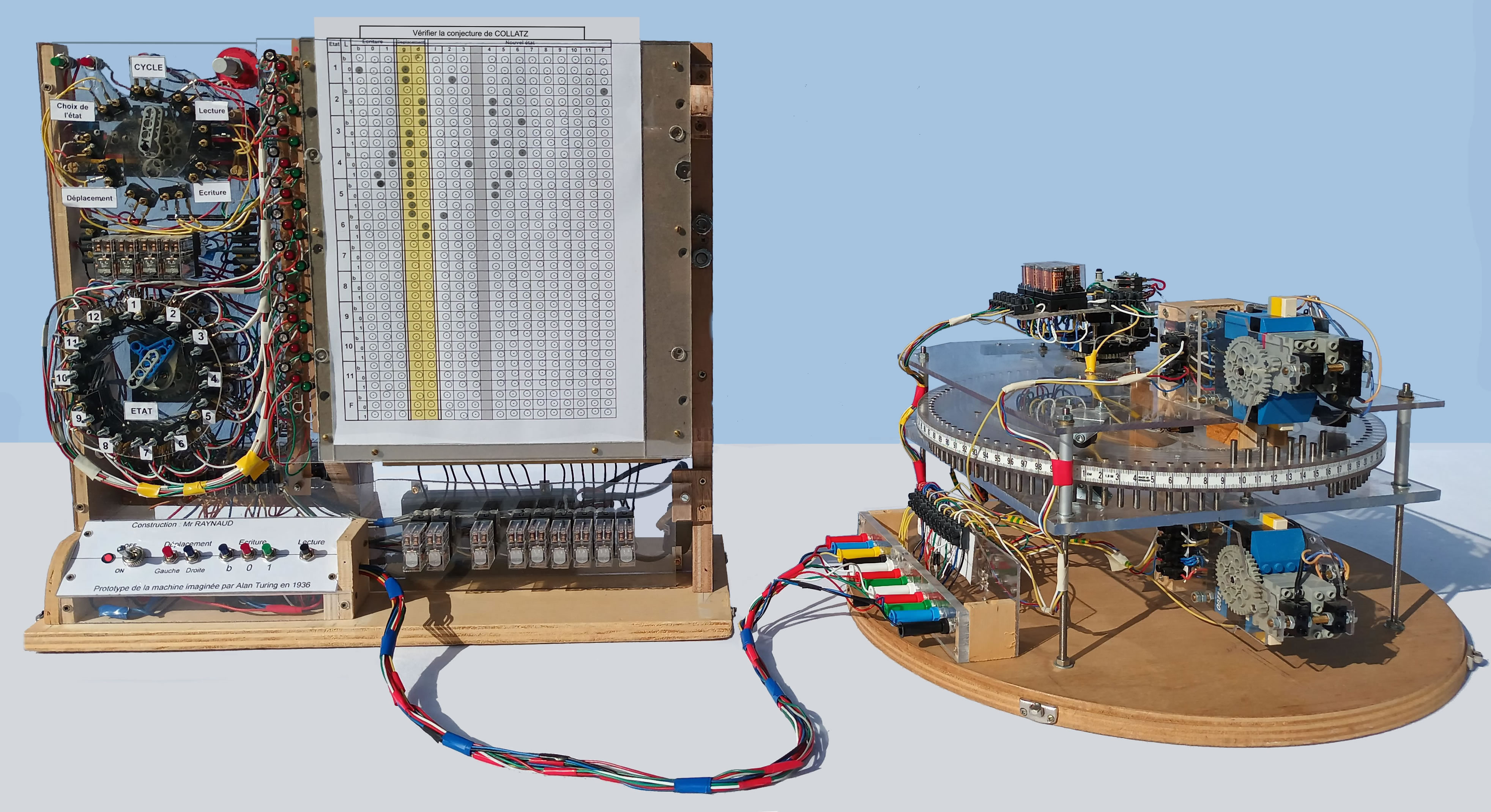
Why it matters: McCulloch and Pitts demonstrated that networks of these binary neurons could theoretically compute anything a Turing machine could, establishing a direct link between neural networks and computational theory. Their work inspired John von Neumann’s computer architecture, Frank Rosenblatt’s perceptron, and the broader field of connectionism. Without this seminal paper, the idea that machines could learn like brains might have remained purely metaphorical. Wikipedia
Further reading:
Why This Mattered
McCulloch and Pitts showed that networks of simple binary neurons could, in principle, compute anything a Turing machine could. Their 1943 paper directly inspired John von Neumann's computer architecture, Frank Rosenblatt's perceptron, and the entire field of connectionism. Without this paper, the idea that machines could learn like brains might have remained pure metaphor.