The Book That Fused Minds and Machines
Norbert Wiener published Cybernetics, coining the science of communication and control that would become AI's intellectual scaffolding.
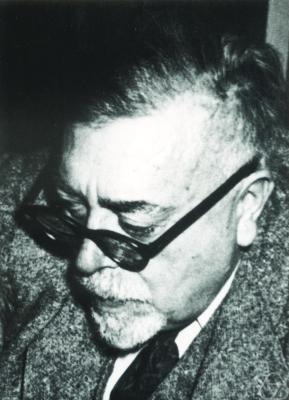
Konrad Jacobs / CC BY-SA 2.0 de
The thought of every age is reflected in its technique.
— Norbert Wiener
The Book That Fused Minds and Machines (1948)
In 1948, Norbert Wiener published Cybernetics: Or Control and Communication in the Animal and the Machine, a groundbreaking work that introduced the concept of cybernetics to the world. This book, co-authored with Arturo Rosenblueth and Julian Bigelow, explored the idea that feedback loops could explain both biological and mechanical intelligence. Wikipedia — Cybernetics: Or Control and Communication in the Animal and the Machine
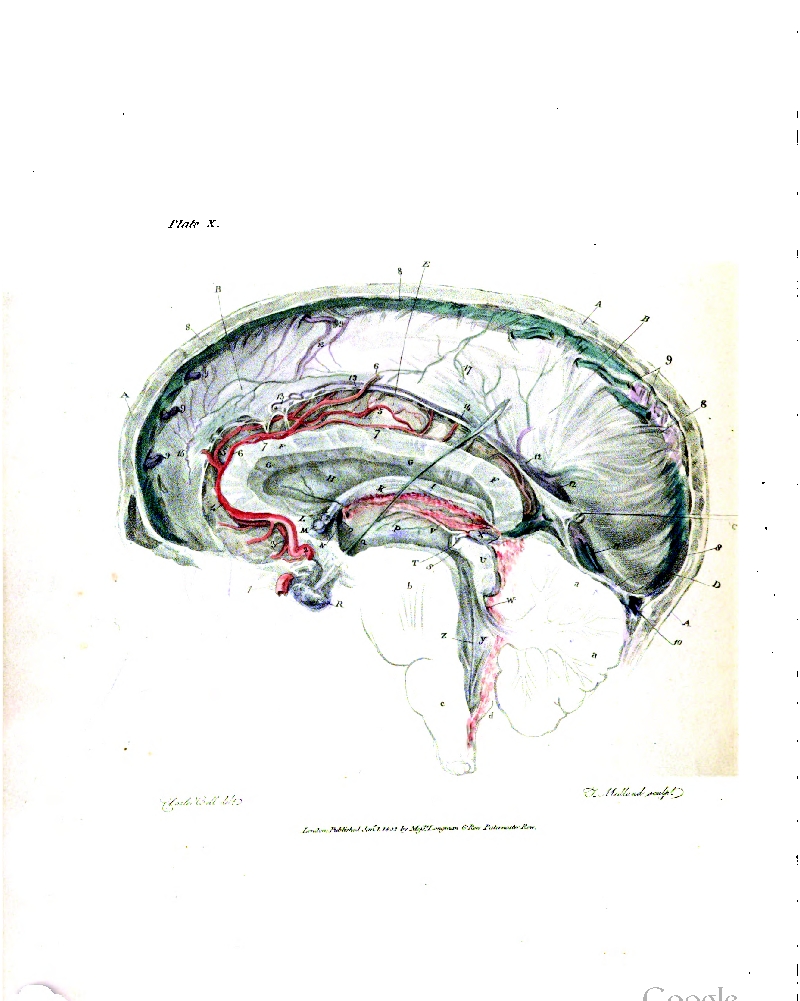
The publication of Cybernetics was significant because it provided a theoretical framework that unified the study of living systems and machines. It laid the foundation for servomechanisms, automatic navigation, analog computing, artificial intelligence, neuroscience, and reliable communications. This interdisciplinary approach directly inspired the first generation of AI researchers and led to the development of fields such as robotics and cognitive science.
Further reading:
Why This Mattered
Cybernetics introduced the idea that feedback loops — not just logic — could explain both biological and mechanical intelligence. It gave scientists a shared language for brains and machines, directly inspiring the first generation of AI researchers and spawning fields from robotics to cognitive science.