The Machine That Learned: Rosenblatt's Perceptron
A Cornell psychologist built the first neural network hardware, sparking a media frenzy and a dream that machines could truly learn.
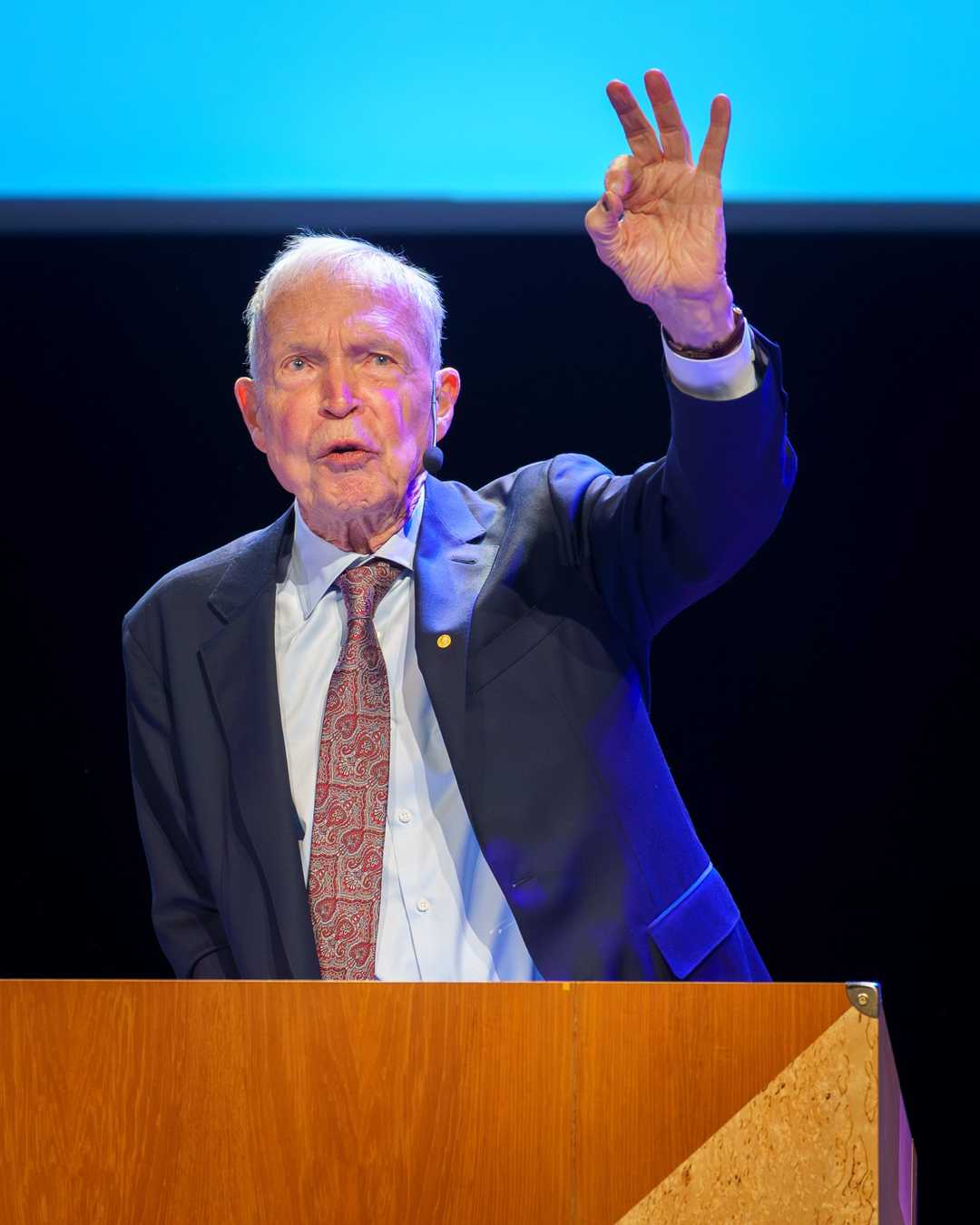
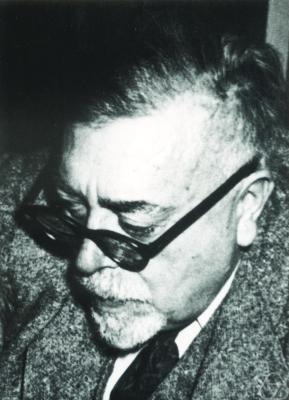
Frank Rosenblatt / Public domain
The embryo of an electronic computer that [the Navy] expects will be able to walk, talk, see, write, reproduce itself and be conscious of its existence.
— The New York Times, reporting on the Perceptron, 1958
In 1958, Frank Rosenblatt introduced the world to the Mark I Perceptron, a groundbreaking machine learning device that could learn from experience by physically adjusting its wiring.
What happened: In 1958, Frank Rosenblatt developed the Mark I Perceptron, an early machine learning device capable of learning through experience by adjusting its own wiring. This invention marked the beginning of the field of neural networks and set the stage for modern deep learning techniques. Wikipedia — Perceptron
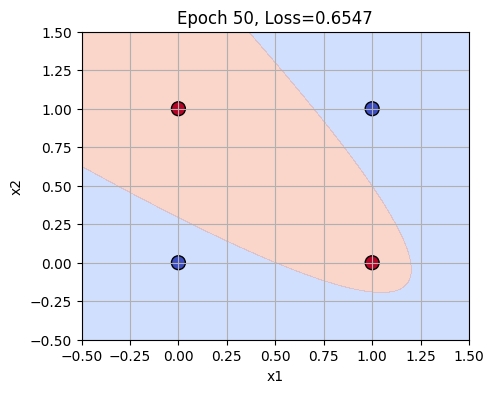
Why it matters: The Perceptron was significant because it was the first machine to learn from data, physically altering its structure based on input. This capability launched the field of neural networks and paved the way for advancements in machine learning and artificial intelligence. However, the limitations of the Perceptron later led to the first AI winter, highlighting the importance of understanding the capabilities and limitations of machine learning models. Wikipedia — Frank Rosenblatt
Further reading:
Why This Mattered
The Mark I Perceptron was the first device to learn from experience, physically adjusting its own wiring. It launched the field of neural networks and set the stage for modern deep learning, though its limitations would later trigger the first AI winter.