The Program That Thought Like a Chemist
Stanford researchers built the first expert system, proving machines could rival specialists by encoding scientific knowledge as rules.
The key insight was that knowledge is power — that a program equipped with deep knowledge of a narrow domain could outperform a general-purpose reasoner on problems in that domain.
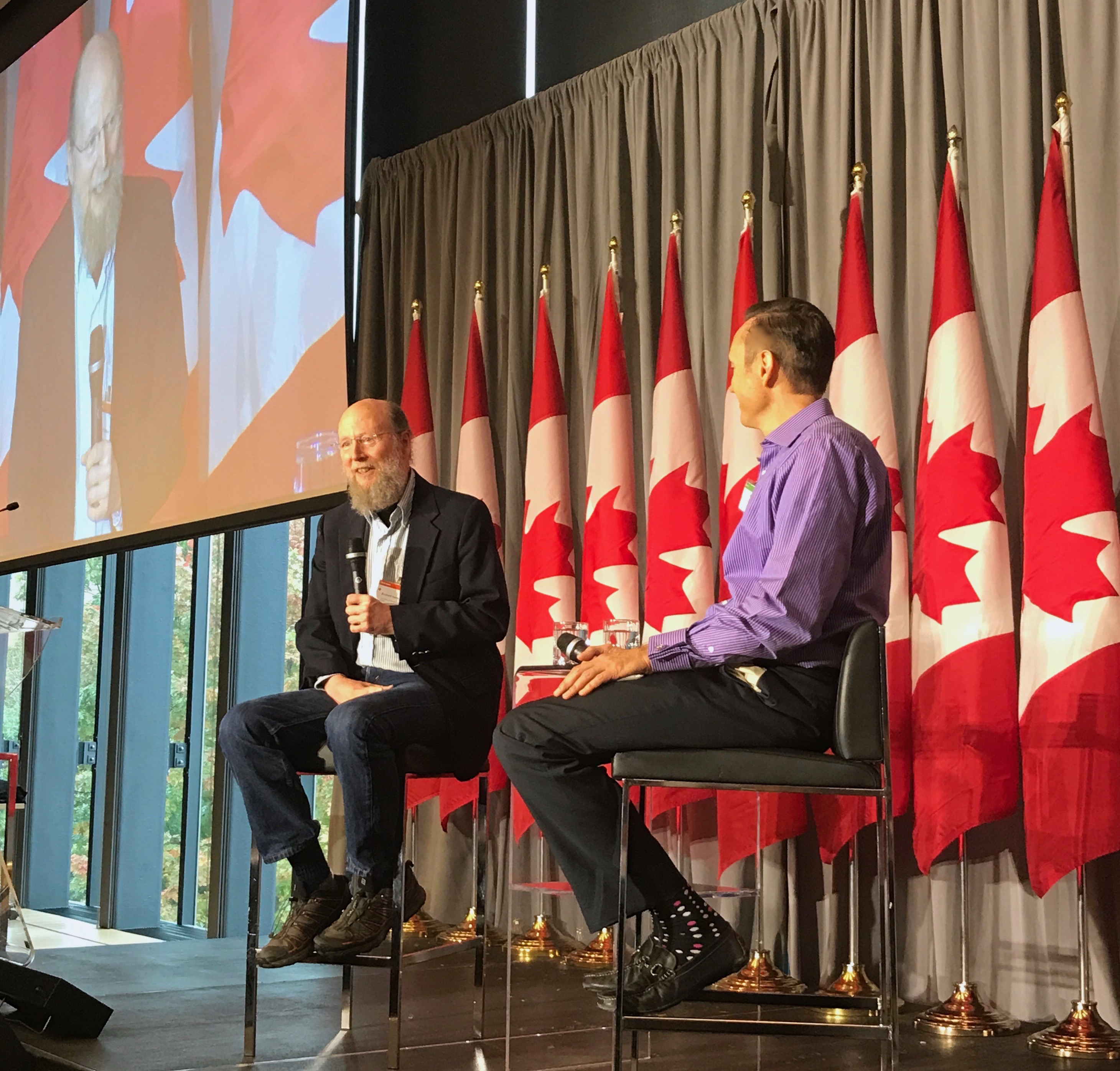
— Edward Feigenbaum
The Program That Thought Like a Chemist (1965)
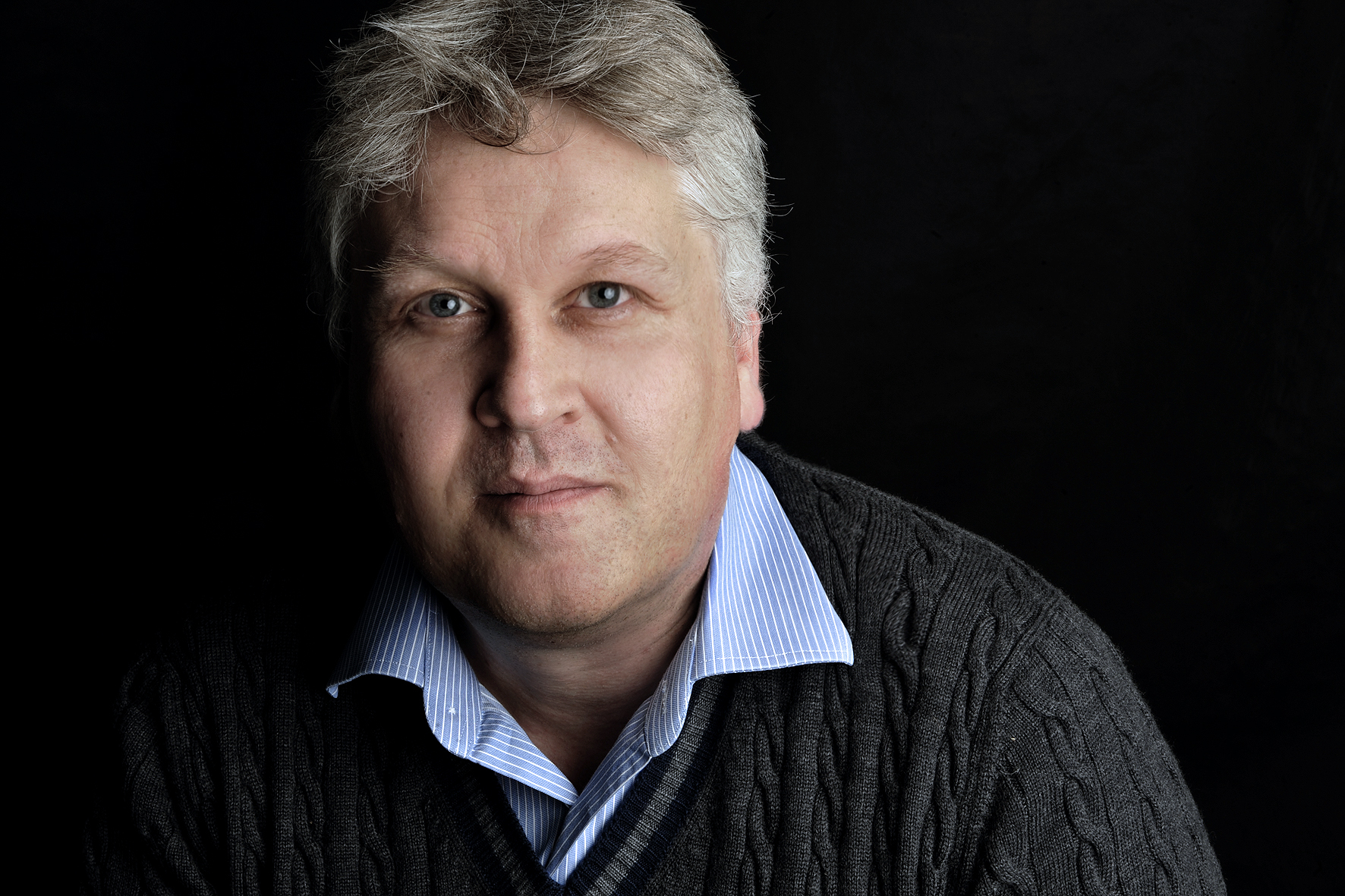
In 1965, Edward Feigenbaum, Bruce Buchanan, and Joshua Lederberg at Stanford University launched Dendral, an AI project that revolutionized expert systems by automating complex decision-making processes in organic chemistry. Wikipedia — Dendral details how Dendral used heuristic and meta-heuristic approaches to analyze mass spectra and identify unknown organic molecules, marking the birth of knowledge-based AI. This pioneering work not only showcased the potential of AI in scientific research but also paved the way for future commercial applications worth billions. Edward Feigenbaum - Wikipedia highlights his role in advancing AI through Dendral and subsequent projects.
Why it matters: Dendral’s success in 1965 demonstrated that AI could match or surpass human expertise in specialized domains, setting a new standard for AI research and application. It inspired decades of knowledge-based AI systems and continues to influence modern AI development.
Further reading:
Why This Mattered
DENDRAL was the first expert system, demonstrating that encoding domain expertise as rules could let a program match or exceed human specialists. It launched an entire paradigm — knowledge-based AI — that dominated the field for two decades and spawned commercial descendants worth billions.