The Program That Invented Its Own Rules
Doug Lenat's Eurisko discovered winning strategies by rewriting its own heuristics, dominating a naval wargame so thoroughly the organizers threatened to cancel the competition.

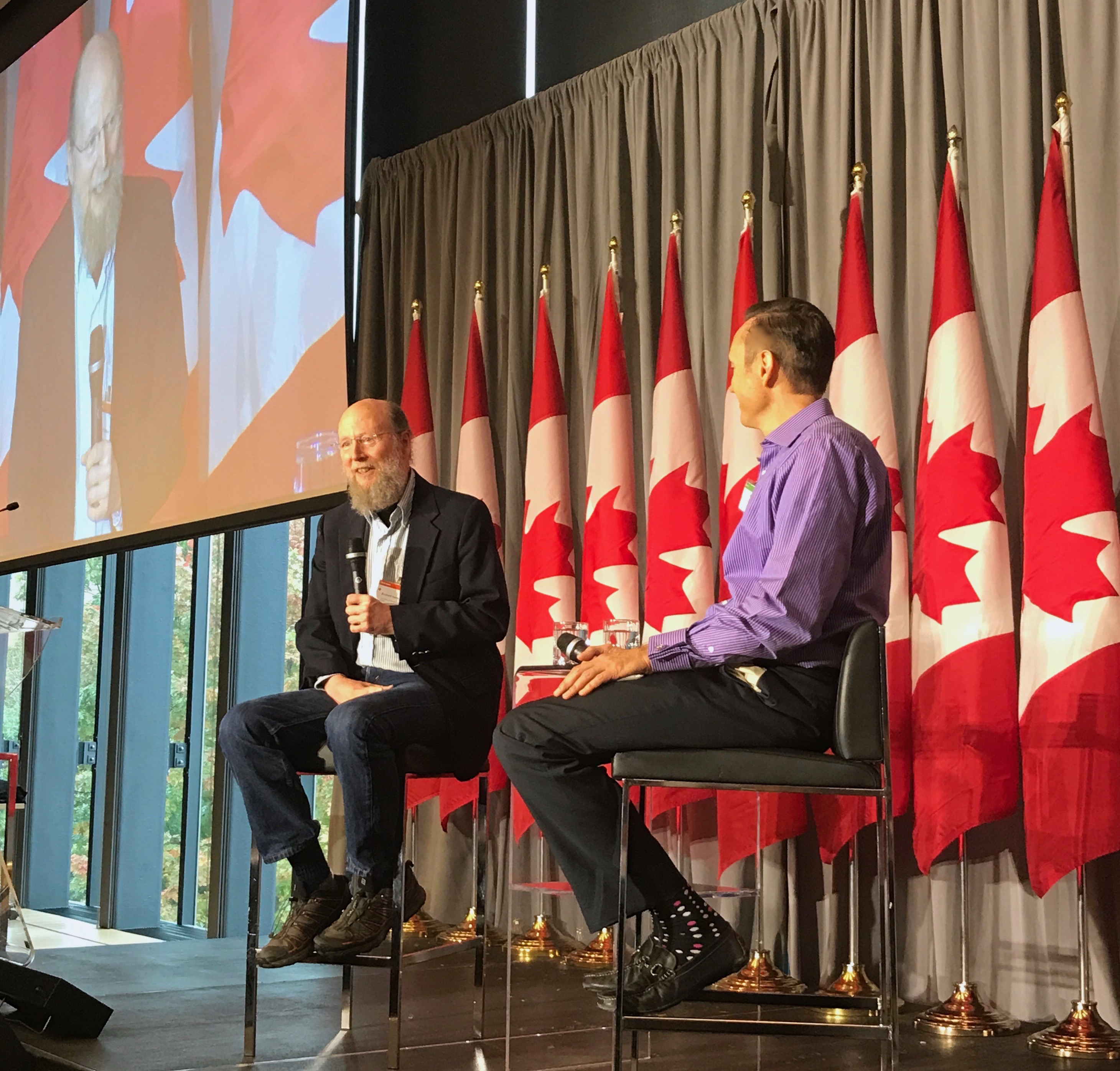
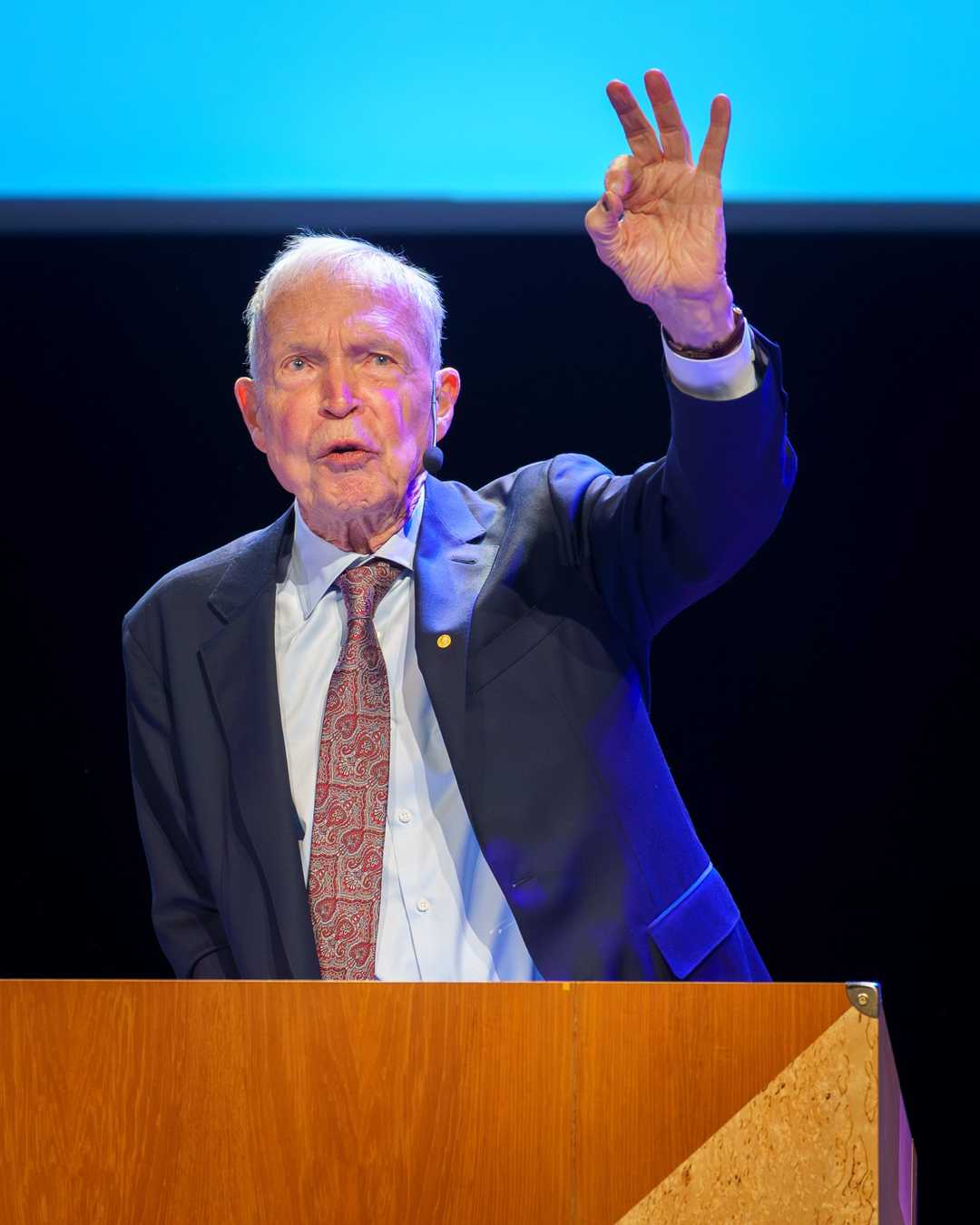
Digitalsoul3 / CC BY-SA 4.0
When Eurisko entered the tournament, its fleet designs were so unconventional that the human players assumed they were mistakes — until the machines started winning.
— Douglas Lenat
In 1983, Douglas Lenat’s program Eurisko demonstrated a groundbreaking capability: the ability to modify its own problem-solving rules and discover novel strategies that no human had previously considered.
What happened: In 1983, Douglas Lenat’s program Eurisko won the Traveller Trillion Credit Squadron tournament two years running, showcasing its unique ability to modify its own problem-solving rules and discover novel strategies. This meta-learning capability was a significant leap forward from Lenat’s earlier Automated Mathematician, which was constrained to a single domain. Eurisko
Why it matters: Eurisko’s ability to invent its own rules and strategies had a lasting impact on the field of artificial intelligence, influencing research on automated discovery, program synthesis, and self-improving AI systems. It demonstrated the potential for AI to go beyond mere pattern recognition and into the realm of creative problem-solving and innovation.
Further reading:
Why This Mattered
Eurisko demonstrated that a program could modify its own problem-solving rules — a form of meta-learning — and discover genuinely novel strategies no human had considered. It won the Traveller Trillion Credit Squadron tournament two years running, forcing organizers to change the rules. The work influenced later research on automated discovery, program synthesis, and self-improving AI systems.