The Audacious Attempt to Encode All Human Knowledge
Doug Lenat launched Cyc, a project to hand-code millions of common-sense facts into a machine — a decades-long bet that AI needed to know what every child knows.
Perhaps the most difficult thing about AI is the problem of common sense. Cyc is an attempt to break through that barrier by brute force.
— Douglas Lenat
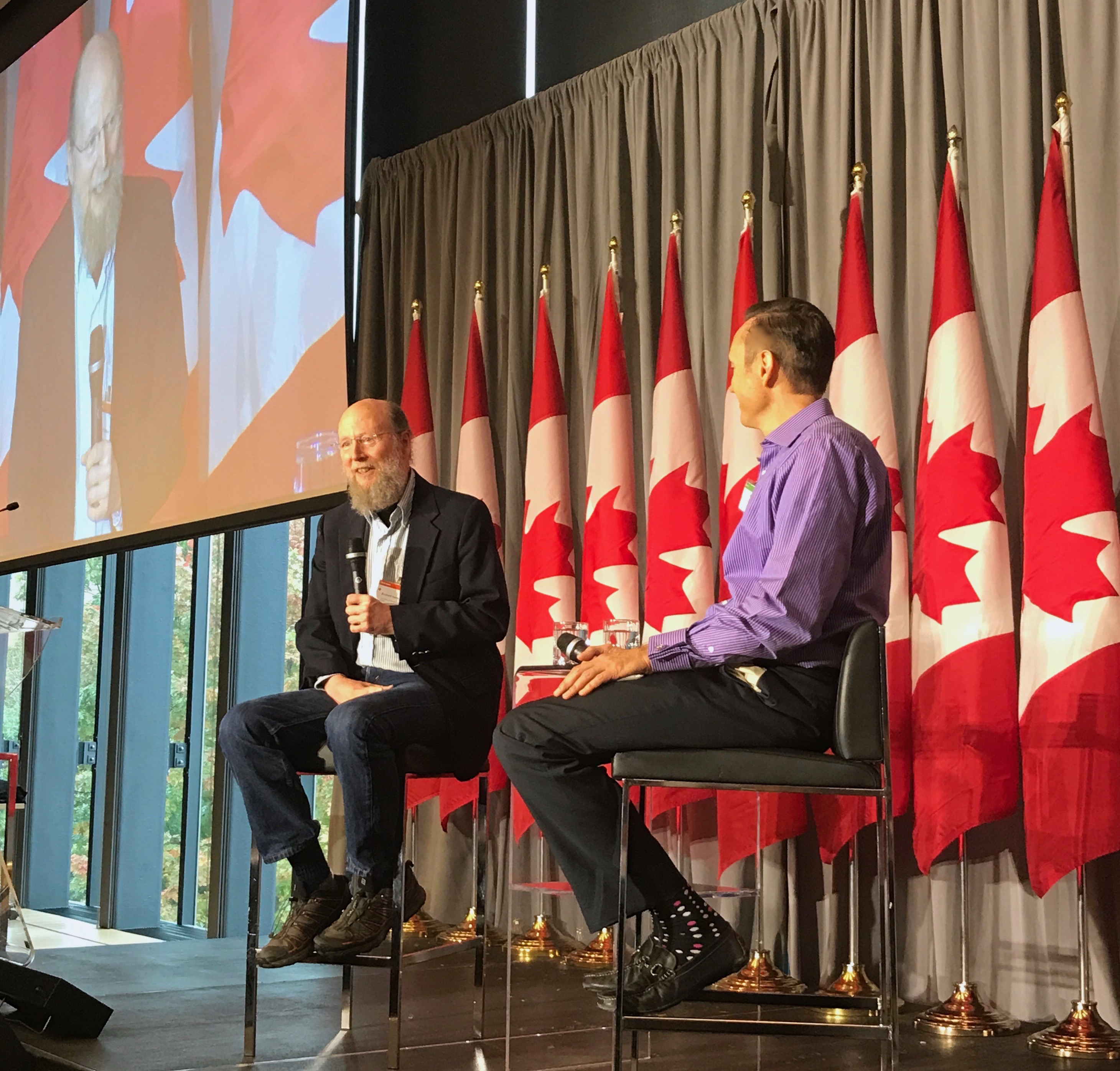
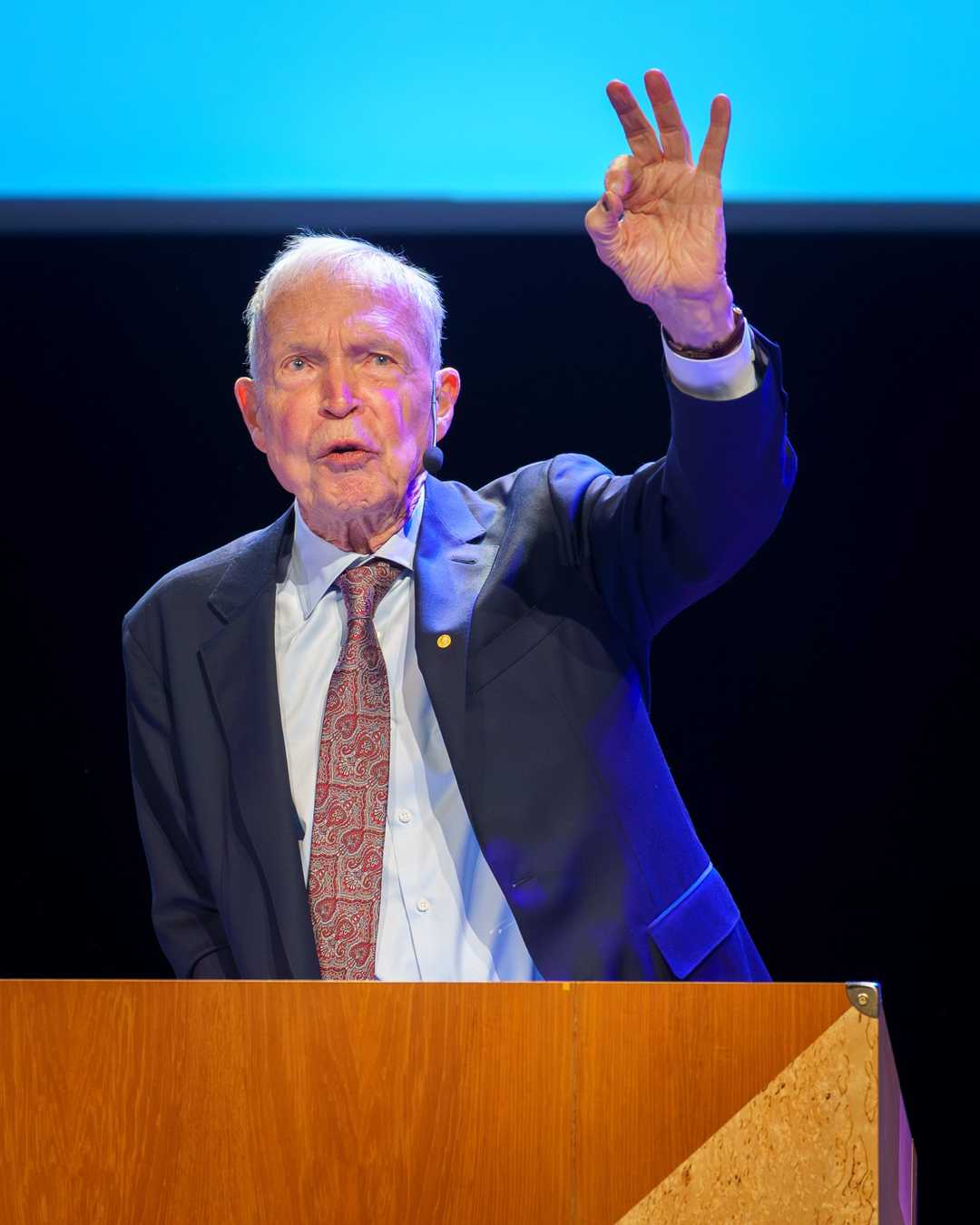
In 1984, Douglas Lenat launched Cyc, an ambitious artificial intelligence project aiming to encode all human common sense knowledge.
What happened: In July 1984, Douglas Lenat initiated the Cyc project at the Microelectronics and Computer Technology Corporation (MCC). Cyc, named after “encyclopedia,” sought to create a comprehensive knowledge base and ontology that would capture the vast array of common sense knowledge humans possess. The project was later continued by Cycorp, with Lenat at the helm, and has since become a landmark in AI research. Cyc - Wikipedia
Why it matters: Cyc’s audacious goal to encode millions of everyday facts and rules into a machine-readable format has significantly influenced the debate on whether artificial intelligence requires extensive pre-programmed knowledge or can learn autonomously. While Cyc did not fully realize its original vision, it has left an indelible mark on the field, shaping discussions about the nature of intelligence and knowledge representation. Modern large language models have revisited these questions in novel ways, demonstrating both the challenges and potential of Lenat’s initial vision. Douglas Lenat - Wikipedia
Further reading:
Why This Mattered
Cyc represented the most ambitious attempt to solve AI's common-sense knowledge problem by brute-force encoding millions of everyday facts and rules. While it never achieved its grand vision, it shaped decades of debate about whether intelligence requires vast built-in knowledge or can emerge from learning alone — a question that modern large language models have answered in unexpected ways.