Teaching Machines to Listen
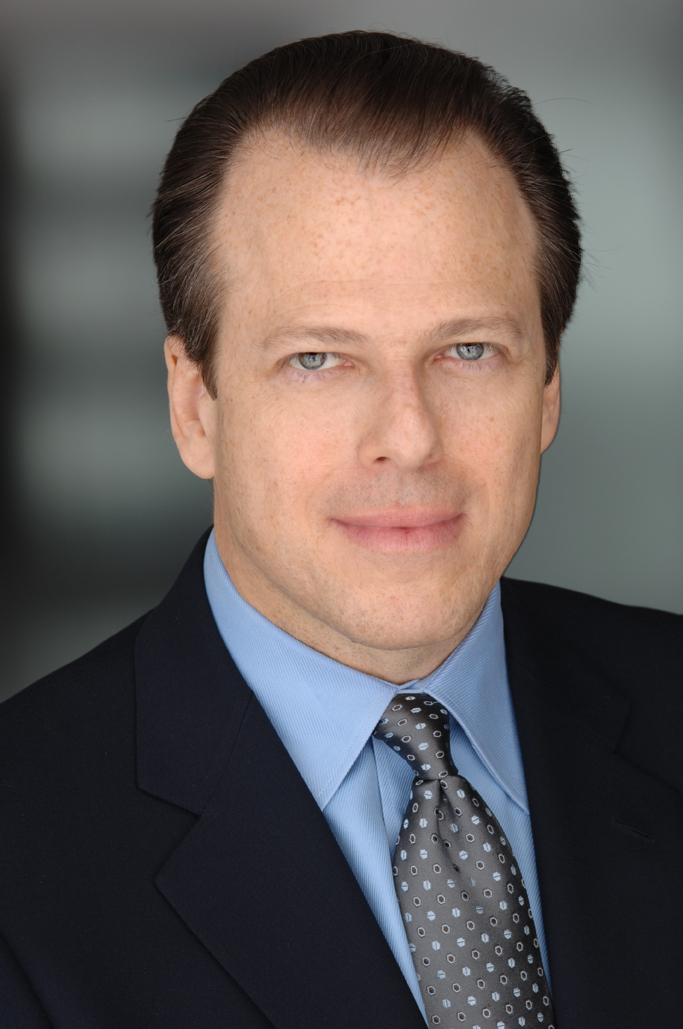
IBM's speech recognition team, led by Fred Jelinek, proved that statistical methods could understand human speech better than any linguistic approach — famously quipping that firing linguists improved the system.
Every time I fire a linguist, the performance of the speech recognizer goes up.
— Frederick Jelinek
In 1986, Frederick Jelinek’s team at IBM made a groundbreaking shift in speech recognition by treating it as a statistical problem rather than a linguistic one.
What happened: In 1986, Frederick Jelinek, along with Lalit Bahl and Robert Mercer, pioneered a new approach to speech recognition at IBM. They transformed the field by applying Hidden Markov Models (HMMs) to speech recognition, effectively turning it into a statistics problem. This method relied heavily on data and probabilistic models rather than hand-crafted linguistic rules, marking a significant departure from traditional methods. Frederick Jelinek
Why it matters: This paradigm shift was pivotal because it laid the groundwork for the statistical revolution that would later sweep through all of artificial intelligence and natural language processing. By letting data drive the models instead of relying on linguistic intuition, Jelinek’s team achieved unprecedented accuracy in speech recognition, setting the stage for future advancements in the field.
Further reading:
Why This Mattered
Jelinek's group at IBM transformed speech recognition from a linguistics problem into a statistics problem, using Hidden Markov Models to achieve unprecedented accuracy. This paradigm shift — letting data speak instead of hand-coding rules — foreshadowed the statistical revolution that would later sweep all of AI and natural language processing.